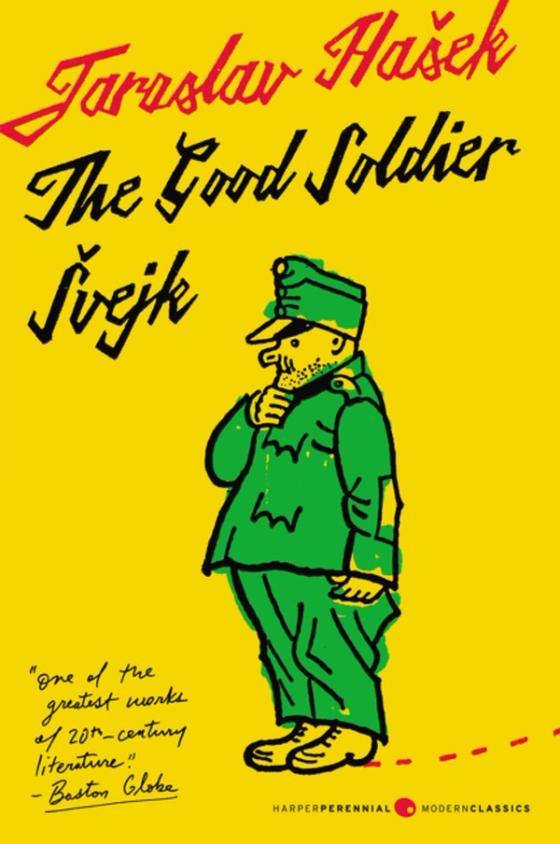
The Good Soldier Švejk
by Jaroslav Hašek
He follows every order perfectly. The empire falls apart.
For you if
you want to understand how doing exactly what you're told can be the most subversive act available — from the man who perfected it
⚡ Choose Your Route ⚡
Not sold directly on this site. Support indie bookstores with a new copy, or go sustainable with a used one.
Buy New on Bookshop.orgSupports independent bookstores
— OR —
Find Used on Better World BooksSecondhand & sustainable
$22 MSRP
Reference price shown. Other editions may be available.
Švejk is a Czech dog trader conscripted into the Austro-Hungarian army during WWI who navigates the entire military bureaucracy through cheerful compliance and spectacular incompetence that may or may not be deliberate. He does exactly what he's told. He follows every order to its logical conclusion. The results are catastrophic for the Austro-Hungarian war effort and entirely innocent on Švejk's part — or so he maintains. Hašek was a Czech anarchist who wrote this while dying of alcoholism, left it unfinished at his death in 1923, and produced the most important Czech novel ever written. The most sophisticated expression in literature of resistance through strategic stupidity — the appearance of compliance as the most effective form of subversion. The essential companion to Revolution for the Hell of It: Hoffman disrupts with joy, Švejk disrupts with obedience.
Where This Book Lives
- Setting
- Czech Republic • Eastern Europe
- Voice
- Written by a Czech author
Related Viewing
Shares a topic, theme, or setting with this book in the catalog.
Dr. Strangelove or: How I Learned to Stop Worrying and Love the Bomb(1964)
dir. Stanley Kubrick
Laughing so you don't scream, since 1964.
A rogue Air Force general triggers an unrecallable nuclear strike on the USSR, and the War Room scrambles — bureaucratically, absurdly — to stop the end of the world.
Why it’s here: The original 'laugh so you don't scream' text — mutually assured destruction played entirely for farce, and the farce is the argument: absurdity is what nuclear brinkmanship actually looks like from the inside.
Same event, different angle
The same history — told by someone who saw it differently.
Same pattern, different era
Different time, different place. The same thing keeps happening.
A Young People’s History of the United States
Howard Zinn
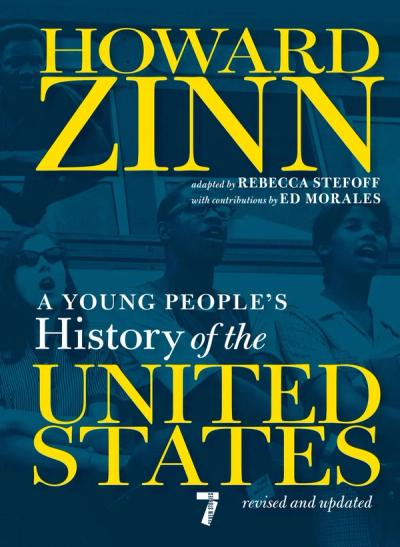
Zinn, but sized for rebellion.
✦ READ – REFLECT → RESIST
I Am Malala
Malala Yousafzai

Bravery looks like a schoolgirl with a book.
✦ READ – REFLECT → RESIST
A Black Women’s History of the United States
Daina Ramey Berry & Kali Nicole Gross
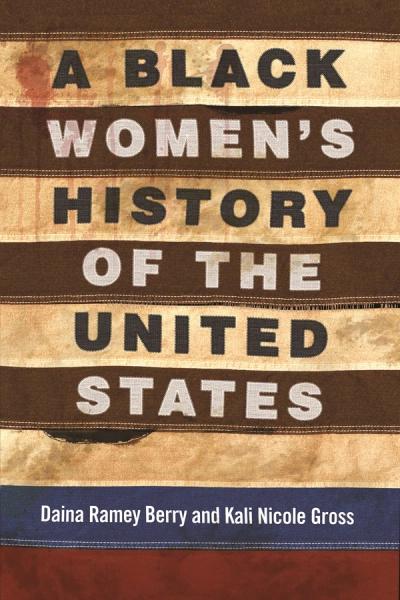
America seen through eyes that built it.
✦ READ – REFLECT → RESIST
A People’s History of the United States
Howard Zinn
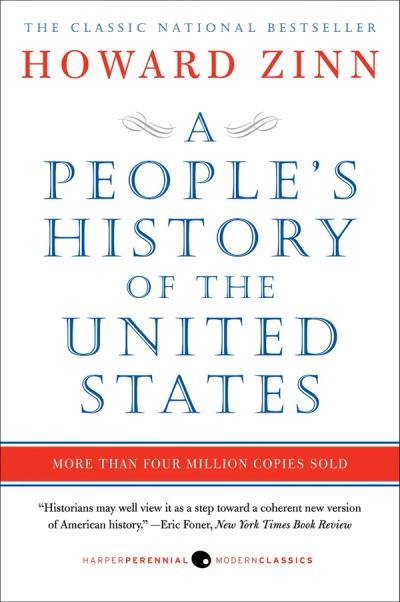
The underdogs get the mic.
✦ READ – REFLECT → RESIST
For the family bookshelf
Same idea, written for a younger reader. Good for reading together.
Sister Outsider
Audre Lorde
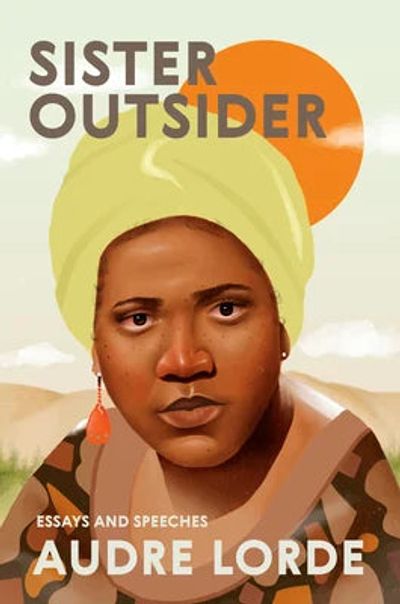
Poetry with teeth and a megaphone.
✦ READ – REFLECT → RESIST
Freedom Dreams
Robin D. G. Kelley
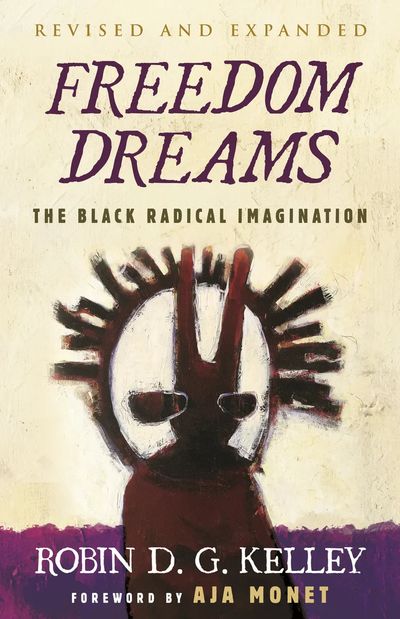
Radical hope as resistance strategy.
✦ READ – REFLECT → RESIST
Change Sings
Amanda Gorman
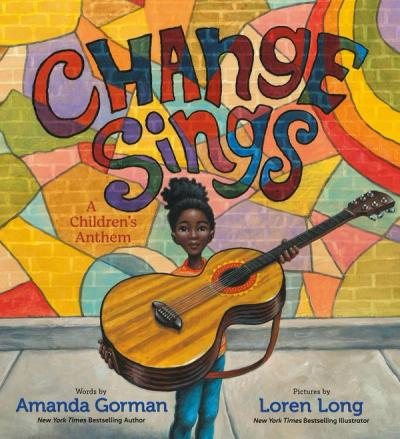
Kids, courage, and the sound of change.
✦ READ – REFLECT → RESIST
Greta and the Giants
Zoë Tucker
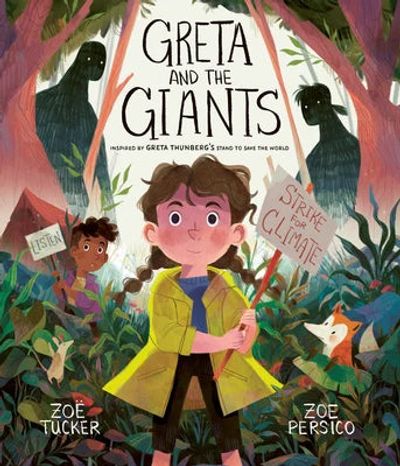
A tiny voice takes on giants.
✦ READ – REFLECT → RESIST