
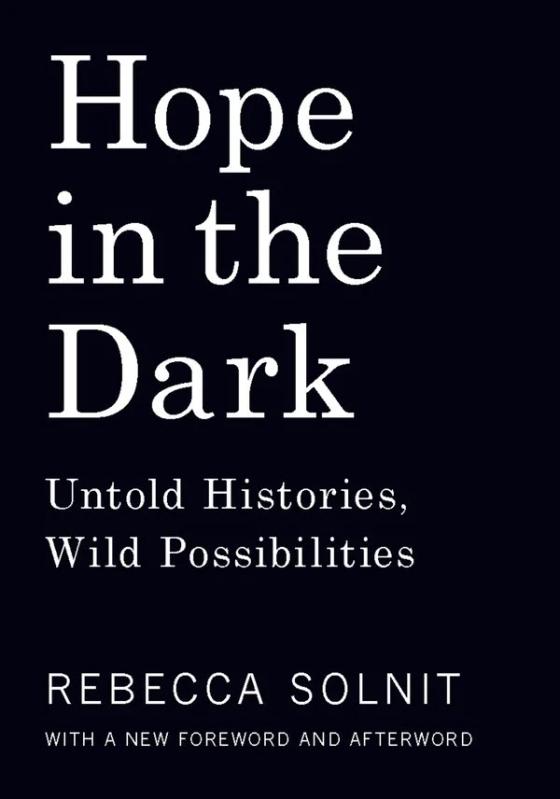
Hope in the Dark
by Rebecca Solnit
Hope is a practice, not a feeling.
For you if
you're exhausted from caring and need permission to believe it still matters
⚡ Choose Your Route ⚡
Not sold directly on this site. Support indie bookstores with a new copy, or go sustainable with a used one.
Buy New on Bookshop.orgSupports independent bookstores
— OR —
Find Used on Better World BooksSecondhand & sustainable
$16 MSRP · Paperback
Reference price shown. Other editions may be available.
Solnit wrote this in 2004 after another election loss and a left in tatters, and the argument she makes is not that things are fine — it's that hope is a practice, not a feeling, and that the history of radical activism is full of wins that came late, sideways, and invisible until they weren't. She excavates the unfashionable record: movements that looked like failures until they didn't, changes that couldn't be traced to a single march or vote, victories that were only legible in retrospect. The book makes a case for staying in the game when the game looks unwinnable — not with optimism, but with a more rigorous relationship to uncertainty and time.
Where This Book Lives
Solnit wrote the first version of this in 2004, sitting inside the wreckage of another election she was supposed to accept as proof that hope was naive. She didn't. She built an argument instead — that the timeline of change is long, that activists often can't see what their work is doing, that certainty about failure is just as unwarranted as certainty about success. This is a short book. Read it when you're tired. That's when it works.
Related Viewing
Shares a topic, theme, or setting with this book in the catalog.
Crip Camp(2020)
dir. Nicole Newnham & James LeBrecht
Same themes: Activism, Collective Action
A summer camp that started a rights movement.
In the early 1970s, a ramshackle summer camp for teenagers with disabilities near Woodstock, Camp Jened, ran on hippie rules: no adults in charge of the kids' lives. The campers, among them co-director James LeBrecht and the future activist Judy Heumann, went on to organize the sit-ins and protests that helped win the Americans with Disabilities Act. It was produced for Netflix and was nominated for the Oscar for Best Documentary Feature.
Why it’s here: The film shows that a movement can begin as a summer. What's punk is that the people it follows organize without asking permission, and refuse to be treated as objects of pity. What's pedagogical is the through-line from a place where kids ran their own lives to a federal law that changed what was possible. It's a rare entry on disability and civil rights, and a natural fit for DoCR's self-organization principle.
Where to watch: Streaming on NetflixLetterboxd ↗
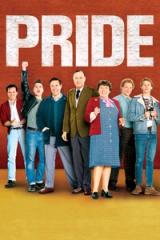
Pride(2014)
dir. Matthew Warchus
Same themes: Activism, Collective Action
Gay activists back striking miners. The miners notice.
Britain, 1984. A group of London lesbian and gay activists decides the striking coal miners being crushed by the Thatcher government are fighting the same enemy they are, and starts raising money for a Welsh mining village. The village doesn't know what to make of them, and the feeling is mutual. Based on a true story.
Why it’s here: The punk move is the alliance: two groups that had every social reason to stay apart chose solidarity on the strength of a shared opponent, and the film lets the awkwardness, the prejudice and the first dance-floor thaw all play out on screen. The pedagogy is in how organizing actually works. Coalitions get built through food, favors and showing up, not through agreeing on everything, and the film makes that feel like something a viewer could do. It is a crowd-pleasing dramatization, so some characters and events are composited or invented, and it is worth reading up on the real Lesbians and Gays Support the Miners campaign afterward.
Where to watch: Free on Kanopy, rent on Apple TVLetterboxd ↗
Same event, different angle
The same history — told by someone who saw it differently.
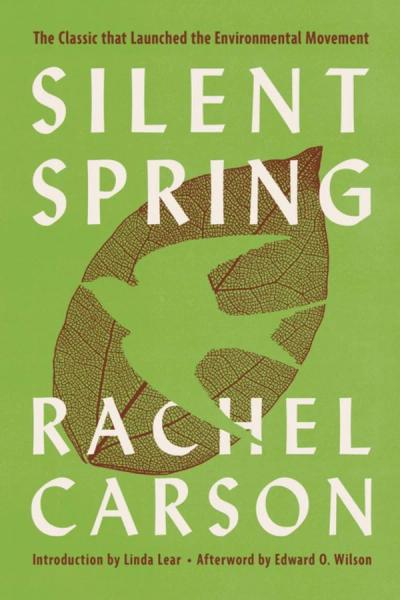
Same pattern, different era
Different time, different place. The same thing keeps happening.
Aristophanes' Lysistrata: A Dual Language Edition
Aristophanes
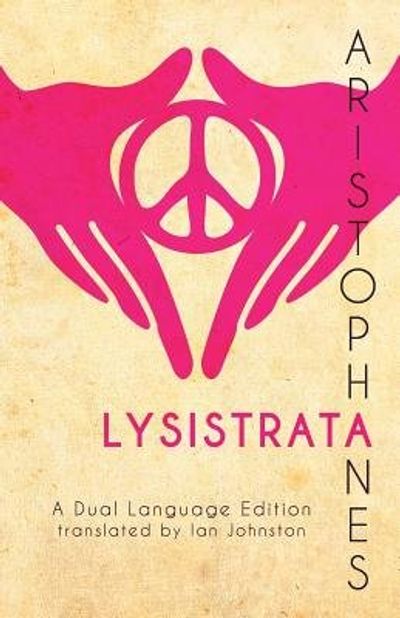
The oldest sex strike in history. Still works.
✦ READ – REFLECT → RESIST
Birchers: How the John Birch Society Radicalized the American Right
Matthew Dallek

The fringe that ate the Republican Party.
✦ READ – REFLECT → RESIST
Different Seasons
Stephen King
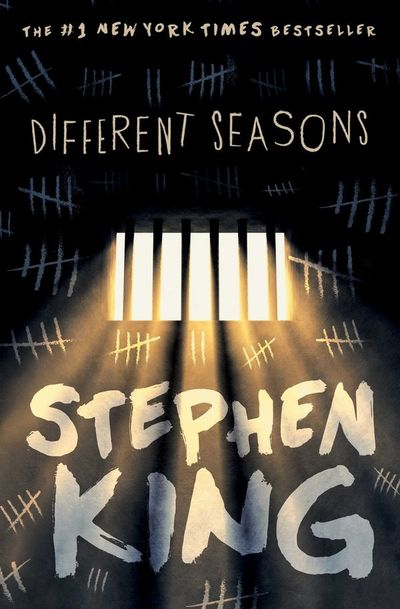
How fascism finds the boy next door.
✦ READ – REFLECT → RESIST
How the Word Is Passed: A Reckoning with the History of Slavery Across America
Clint Smith
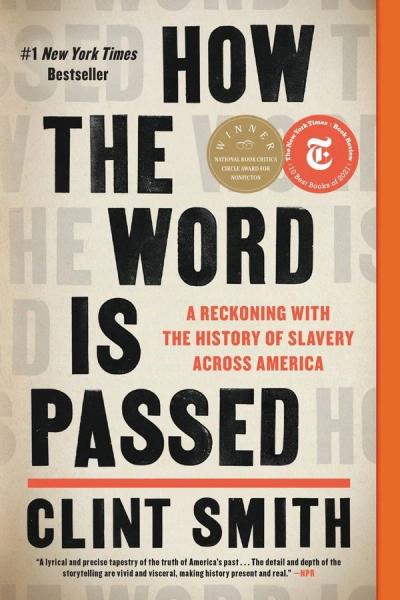
A tour of how America tells it.
✦ READ – REFLECT → RESIST
For the family bookshelf
Same idea, written for a younger reader. Good for reading together.
Click, Clack, Moo: Cows That Type
Doreen Cronin
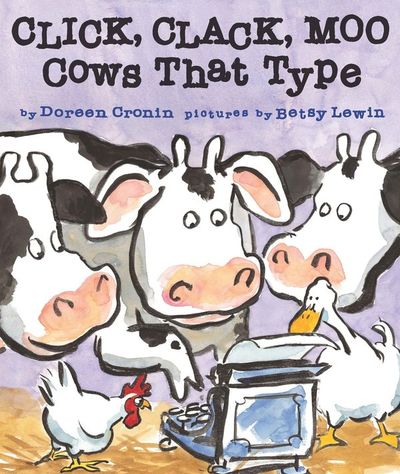
Cows, a typewriter, and a labor strike.
✦ READ – REFLECT → RESIST
Efrén Divided
Ernesto Cisneros
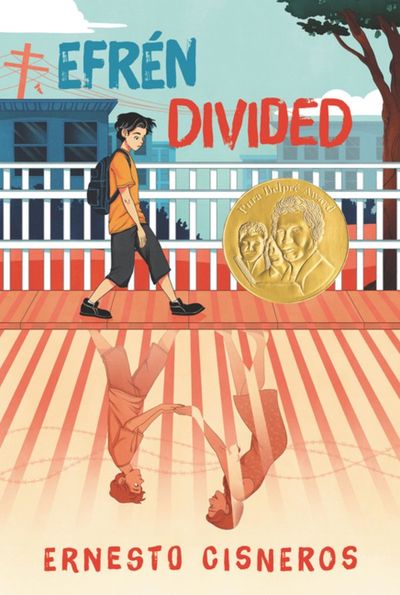
Family separation, from the inside.
✦ READ – REFLECT → RESIST
One Crazy Summer
Rita Williams-Garcia
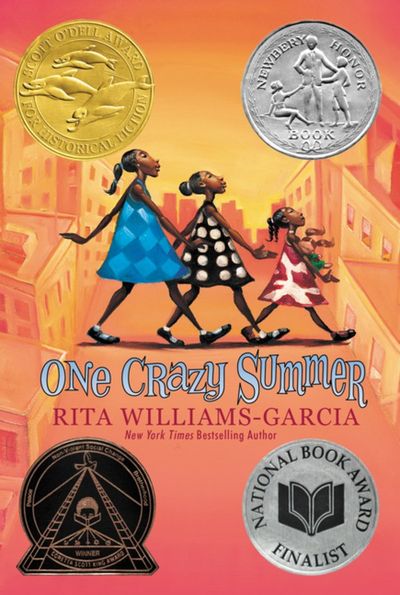
Three sisters, one summer with the Panthers.
✦ READ – REFLECT → RESIST
Sister Outsider
Audre Lorde
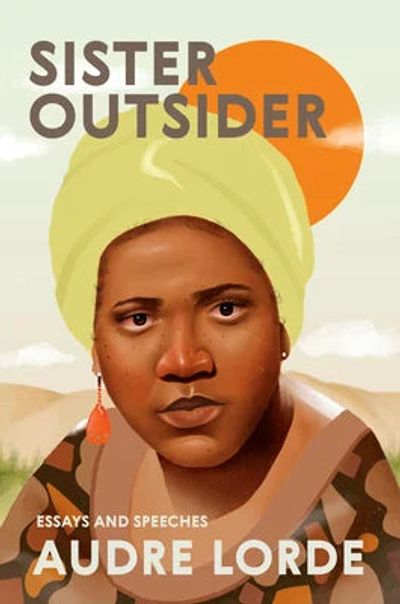
Poetry with teeth and a megaphone.
✦ READ – REFLECT → RESIST