
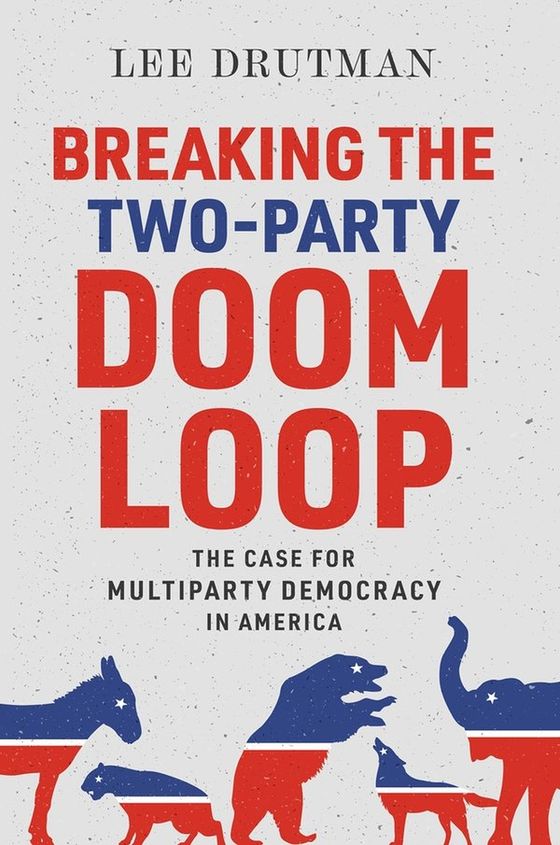
Breaking the Two-Party Doom Loop: The Case for Multiparty Democracy in America
by Lee Drutman
Why two parties can't fix what two parties broke.
For you if
you suspect the scoreboard is the problem, not only the players.
⚡ Choose Your Route ⚡
Not sold directly on this site. Support indie bookstores with a new copy, or go sustainable with a used one.
Buy New on Bookshop.orgSupports independent bookstores
— OR —
Find Used on Better World BooksSecondhand & sustainable
$25 MSRP · Paperback
Reference price shown. Other editions may be available.
Drutman argues the trouble with American politics is the design, not just the people in it. Two parties fighting over a winner-take-all prize make every election feel like survival, which rewards hostility over governing. He traces how that happened and what a multiparty system with proportional representation could look like. Critics on the right and left say his fix is a long shot.
Where This Book Lives
Pass with note. Drutman is a political scientist and an advocate for proportional representation, which no US congressional election uses; conservative and left critics (Jay Cost, Sunil Dasgupta, Jack Santucci) call the fix risky or unrealistic. Academic and about 400 pages. No documented author concerns. Close relatives: How Democracies Die and Tyranny of the Minority if you add it.
Related Viewing
Shares a topic or setting with this book, or several of its themes.

Fantastic Planet(1973)
dir. René Laloux
Same themes: Authoritarianism, Collective Action
Pet humans learn to read. The giants panic.
On a distant planet, giant blue Draags keep tiny humans, called Oms, as pets. One Om, Terr, escapes with a stolen learning device and teaches himself to read. The Oms organize in the wild and the Draags have to decide what to do. Animated by Roland Topor and made in Czechoslovakia, it won a Special Jury Prize at Cannes in 1973.
Why it’s here: The film turns a pet-and-owner story into an allegory of how a ruling class sees the people it keeps. What's punk is that the hero's weapon is literacy and the story is about who gets to learn. What's pedagogical is how easily it can be read as slavery, colonialism or cold-war Czechoslovakia, so a class can argue which. Pairs with Animal Farm, The Giver and Pedagogy of the Oppressed. Note: strange, surreal and slow in places, with some nudity and a violent first act; best for older teens and adults.
Where to watch: Criterion Channel (title page found, subscription); verify, as Criterion Channel titles rotate.Letterboxd ↗
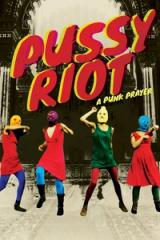
Pussy Riot: A Punk Prayer(2013)
dir. Mike Lerner & Maxim Pozdorovkin
Same themes: Authoritarianism, Collective Action
Three punks, one cathedral, a show trial.
The documentary of the 2012 trial of three members of Pussy Riot, who were charged with hooliganism after a punk performance in a Moscow cathedral. It follows the court proceedings, their families and the media storm, with footage the group shot themselves. The film shows how a state and a church turn a 40-second protest into a national crisis.
Why it’s here: It's a punk protest watched by a whole country. What's punk is the defendants' refusal to apologize, and their families who stand by them. What's pedagogical is the courtroom: how a trial becomes theater, and who writes the charges. Pairs with Pussy Riot! A Punk Prayer for Freedom (suggested today), Citizenfour and The Future Is History. Note: the group's views and later work are debated; this film stops at the 2012 trial. English and Russian with subtitles.
Where to watch: Free: Tubi and Pluto (with ads), Kanopy (library card); subscription Fandor; rent $2.99-3.99 on Amazon, Apple TV (JustWatch US, checked 2026-08-14, so re-check). Verify.Letterboxd ↗
Same pattern, different era
Different time, different place. The same thing keeps happening.
A Pattern Language: Towns, Buildings, Construction
Christopher Alexander et al.
253 patterns for designing a place people can live in.
✦ READ – REFLECT → RESIST
Aristophanes' Lysistrata: A Dual Language Edition
Aristophanes
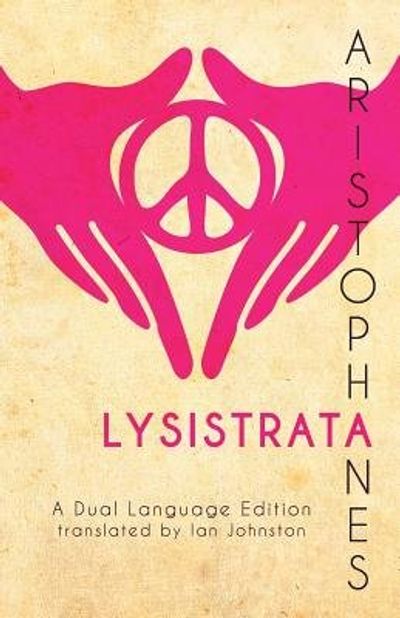
The oldest sex strike in history. Still works.
✦ READ – REFLECT → RESIST
Beautiful Trouble: A Toolbox for Revolution
Andrew Boyd & Dave Oswald Mitchell (eds.)
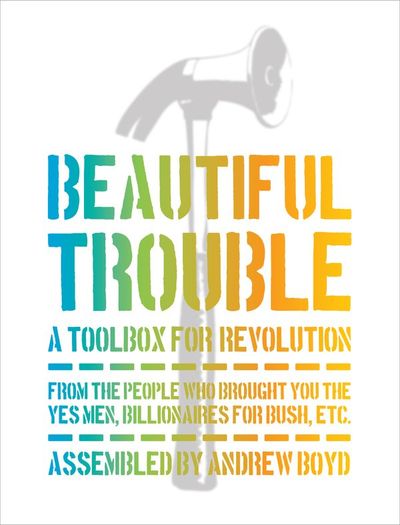
A tactics manual for making trouble well.
✦ READ – REFLECT → RESIST
Collective Courage: A History of African American Cooperative Economic Thought and Practice
Jessica Gordon Nembhard
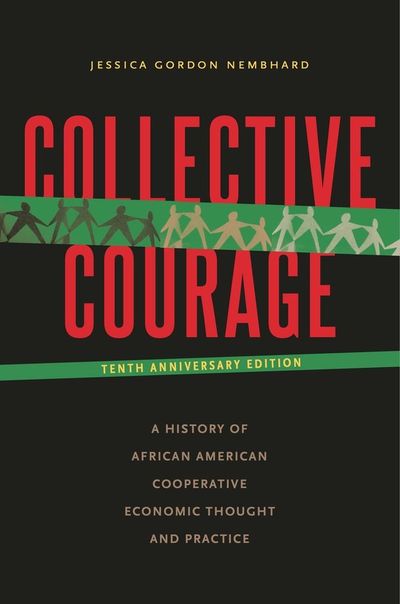
The Black co-ops history forgot to teach.
✦ READ – REFLECT → RESIST
For the family bookshelf
Same idea, written for a younger reader. Good for reading together.
Ada's Violin: The Story of the Recycled Orchestra of Paraguay
Susan Hood
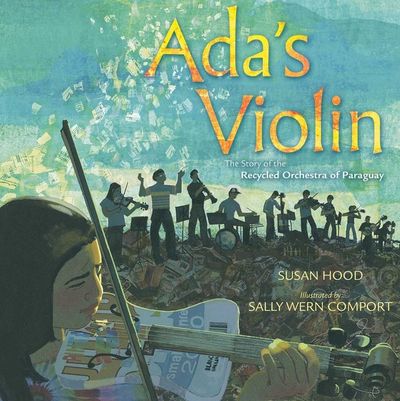
A violin made from a landfill. A real orchestra.
✦ READ – REFLECT → RESIST
Between Shades of Gray
Ruta Sepetys
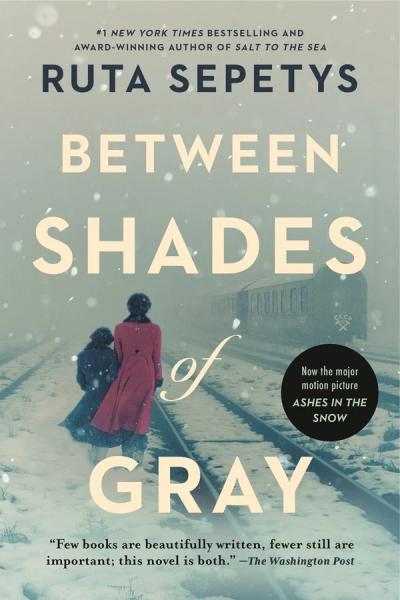
A Lithuanian teen draws her way through Siberia.
✦ READ – REFLECT → RESIST
Click, Clack, Moo: Cows That Type
Doreen Cronin
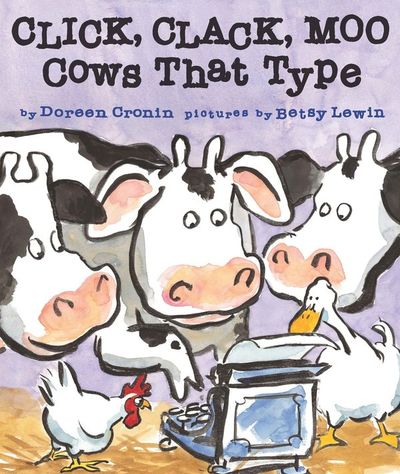
Cows, a typewriter, and a labor strike.
✦ READ – REFLECT → RESIST
Emmanuel's Dream: The True Story of Emmanuel Ofosu Yeboah
Laurie Ann Thompson
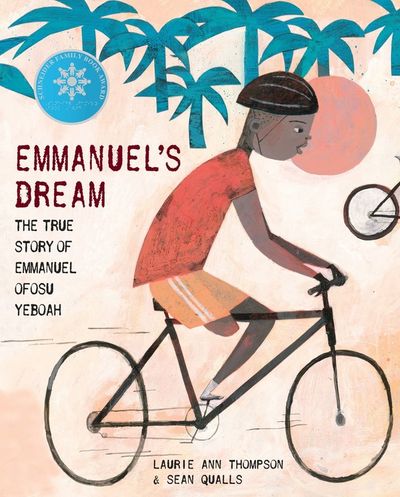
One leg. A bike. A whole country to cross.
✦ READ – REFLECT → RESIST