
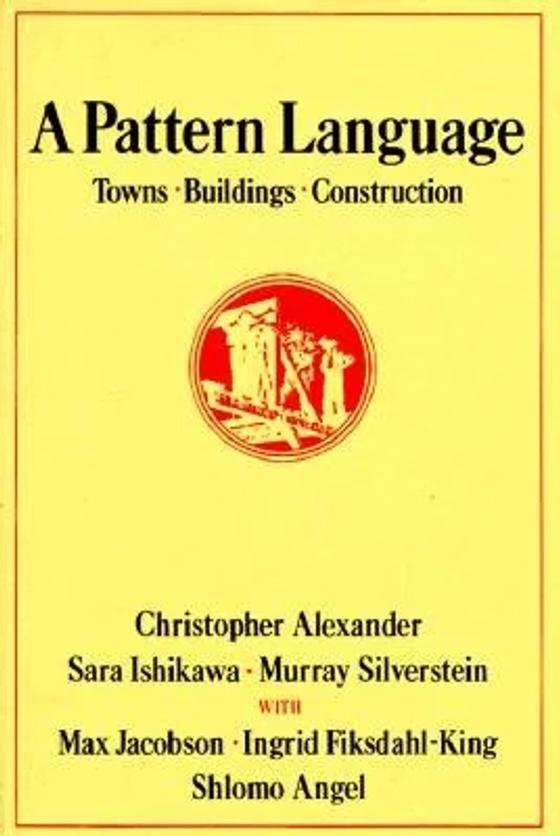
A Pattern Language: Towns, Buildings, Construction
by Christopher Alexander et al.
253 patterns for designing a place people can live in.
For you if
you want to build something and don't know where to start.
⚡ Choose Your Route ⚡
Not sold directly on this site. Support indie bookstores with a new copy, or go sustainable with a used one.
Buy New on Bookshop.orgSupports independent bookstores
— OR —
Find Used on Better World BooksSecondhand & sustainable
$85 MSRP · Hardcover
Reference price shown. Other editions may be available.
Two hundred and fifty-three patterns for building places where people can live well, from the region down to a window seat. Each is a small problem, a solution and a reason: a corner store within walking distance, a bench by the door, a street you can cross. The authors argue that ordinary people, not only architects, should design the places they live in, and give them the vocabulary.
Where This Book Lives
Pass with note. Large and expensive, and meant to be dipped into, not read straight through. Alexander's planning ideas have been critiqued as rigid or nostalgic, and the book's universal 'timeless' claims are debatable. No documented author concerns. Fills a gap on participatory design. Close relatives: The Death and Life of Great American Cities (suggested 10-20) and Palaces for the People (suggested 10-24).
Related Viewing
Shares a topic, theme, or setting with this book in the catalog.

Lunana: A Yak in the Classroom(2019)
dir. Pawo Choyning Dorji
Same themes: Community, Courage
The world's remotest school, one teacher, one yak.
A young teacher in Bhutan, who dreams of going to Australia to be a singer, is posted to Lunana, the most remote school in the world, a village at the top of the Himalayas with no electricity. He arrives expecting to quit. The children, the villagers and a yak he did not ask for change his mind about what a classroom is. It was nominated for the Oscar for Best International Feature.
Why it’s here: The film is a quiet argument that school is a person in a room who is paying attention. What's punk is how little it has: no power, no textbooks, a blackboard made from a wall. What's pedagogical is that it shows a teacher being taught by the place and kids who are not behind, they are elsewhere. Pairs with Teacher (Ashton-Warner), How Children Learn and Summerhill School. Note: it is gentle and not at all rebellious in tone; Bhutan's monarchy and its history with its Nepali-speaking minority are not part of the story.
Where to watch: Tubi (free with ads) and Amazon Prime Video per unSUB; rent/buy on Prime; other services listed on PlayPilot, unconfirmed. Verify.Letterboxd ↗
The Punk Singer(2013)
dir. Sini Anderson
Same themes: Collective Action, Community
Kathleen Hanna, riot grrrl, and what it cost.
The story of Kathleen Hanna, singer of Bikini Kill and Le Tigre, who helped start riot grrrl, and then went quiet at the height of her influence. Anderson uses interviews, performance footage and Hanna's own account of why she stopped and what came after. It is both a history of a movement and a portrait of the person who paid for it.
Why it’s here: The film shows how a movement is built by people with a photocopier and a loud voice. What's punk is the insistence that girls get to take up space and say the unsayable. What's pedagogical is the zine culture, the way the music was a tool for organizing and the way an art scene can be a school. Pairs with Notes from Underground, Please Kill Me and Bad Feminist. Note: it is an admiring portrait, and riot grrrl's whiteness and its limits are only touched on.
Where to watch: Criterion Channel (title page found); Kanopy via library listings; verify current US availabilityLetterboxd ↗
Same pattern, different era
Different time, different place. The same thing keeps happening.
A Brief History of Neoliberalism
David Harvey
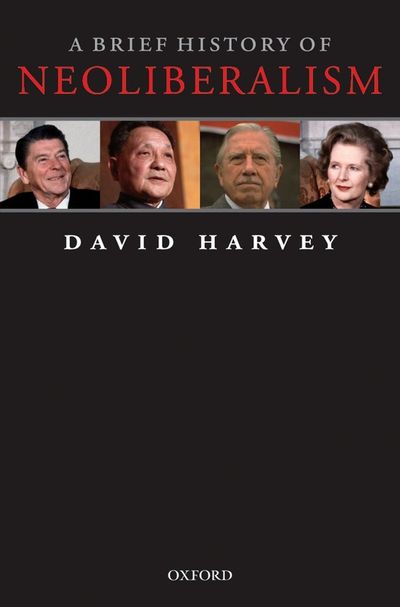
How "free markets" became everyone's common sense.
✦ READ – REFLECT → RESIST
A Girl Is a Body of Water
Jennifer Nansubuga Makumbi
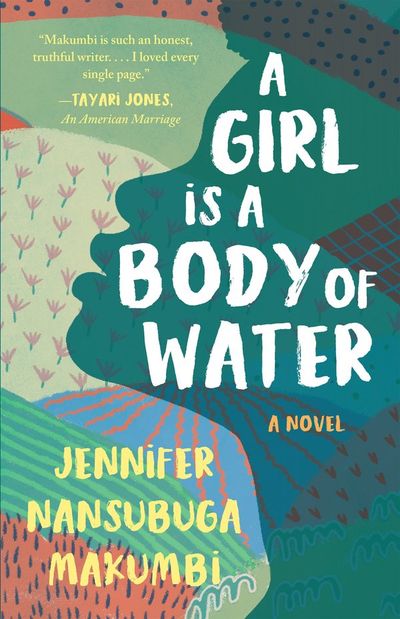
A Ugandan girl asks who the women before her were.
✦ READ – REFLECT → RESIST
Aristophanes' Lysistrata: A Dual Language Edition
Aristophanes
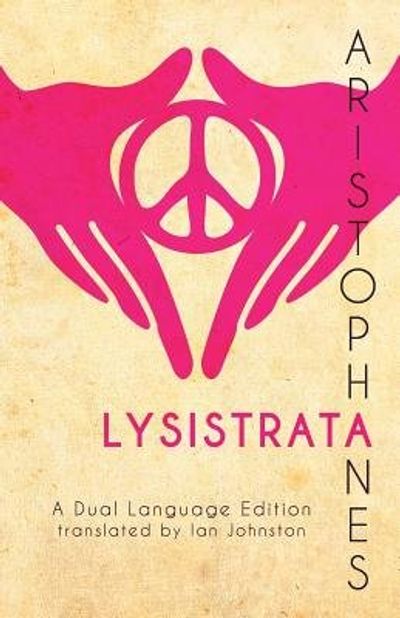
The oldest sex strike in history. Still works.
✦ READ – REFLECT → RESIST
Capital in the Twenty-First Century
Thomas Piketty
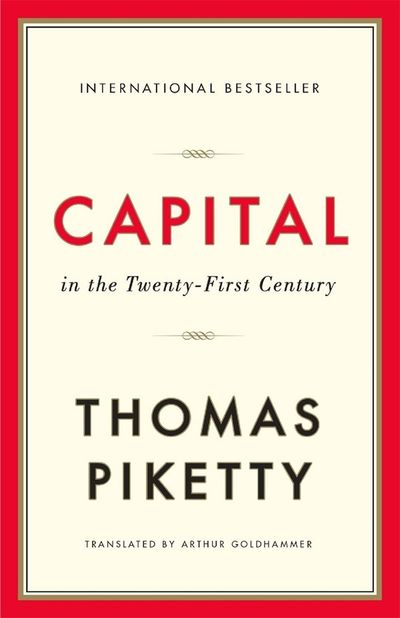
The numbers don't lie. The rich make the rules.
✦ READ – REFLECT → RESIST
For the family bookshelf
Same idea, written for a younger reader. Good for reading together.
A Different Pond
Bao Phi

A refugee dad, a fishing pole, and 4 a.m.
✦ READ – REFLECT → RESIST
Amal Unbound
Aisha Saeed

The debt wasn't hers. The cage is.
✦ READ – REFLECT → RESIST
Amina's Voice
Hena Khan

A shy girl sings out after her mosque is attacked.
✦ READ – REFLECT → RESIST
Big Red Lollipop
Rukhsana Khan

A big sister, a birthday party, and who gets included.
✦ READ – REFLECT → RESIST