Who Holds the Power?: Congress, Accountability, and the Two-Party Trap
A wave just handed Democrats Congress. Article I gives it real power. Who checks it when it doesn't use it?
Democrats just won Congress back in a wave, and the people cheering are already asking the harder question: won it back to do what? Article I hands Congress the purse, the subpoena, the war power, the tariff power and the impeachment power. For years, under both parties, it has watched presidents use that power and mostly let them. After Maduro was captured in January, a Senate war powers resolution on Venezuela was shelved 51-50 with the vice president breaking the tie; in March the Senate rejected an Iran resolution 47-53. The Supreme Court, not Congress, ended the IEEPA tariffs in February. In September the Government Accountability Office ruled that a new pocket rescission of about $800 million broke the impoundment law. The standard here isn't a party. It's that power should answer to the people it affects. So the real question isn't who to trust. It's whether the powers on paper still get used, who checks them when they aren't, and whether a two-team system that profits from our fights over how to get safety, security and peace can be made to answer to what most of us want underneath.
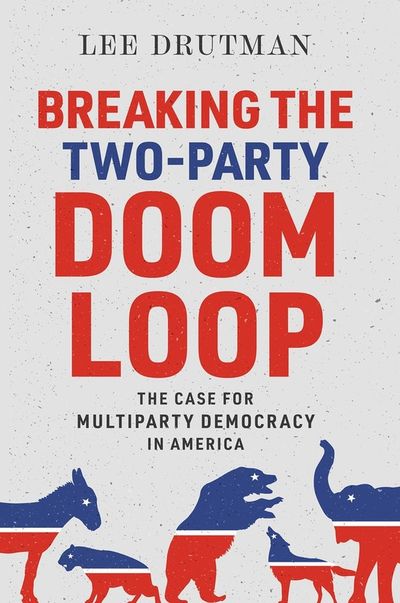
Drutman argues the trouble is the design, not just the players: two national parties fighting winner-take-all make every election feel like survival. Start with the machine, and with the fact that serious critics doubt his fix.
Hochschild spent five years among Louisiana Tea Party supporters and found grief where she expected villains. Now the cost: real people squeezed into two teams that stop listening.
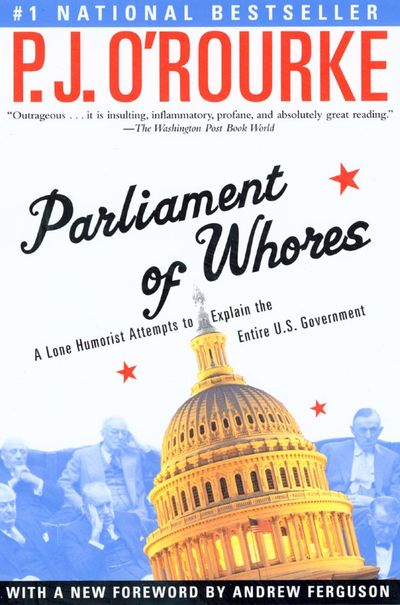
O'Rourke wrote from the right and mocked everyone in Washington. Laughing at both teams is how you stop being impressed by either, which you need before the last step.
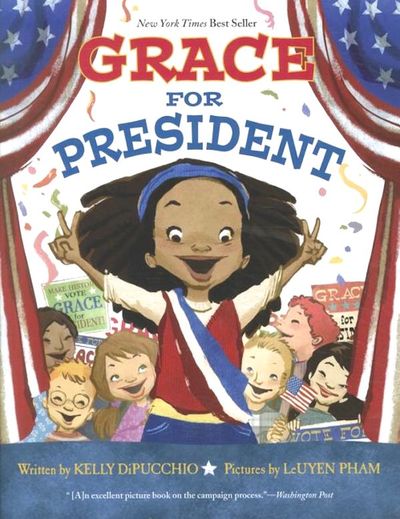
Kids notice fast when the loudest voice wins. These books give them a girl who runs for president and learns how the electoral college really works, neighbors who turn a vacant lot into a shared garden, a young man who organizes for equal rights, and teenagers who push back when their city treats them as suspects. You raise kids who ask who gets a say, and who show up to say it.
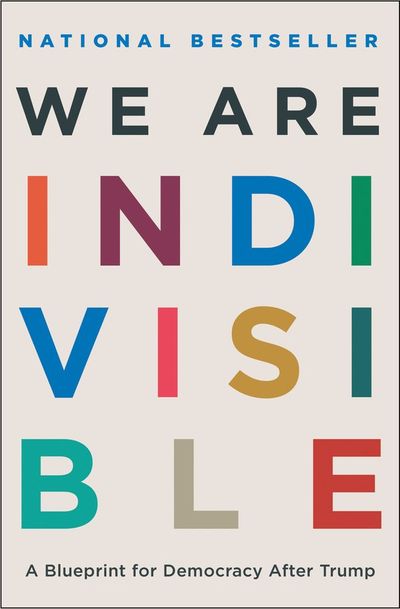
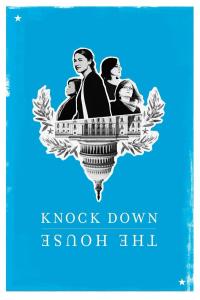
“We Are Indivisible shows how to make the member you already have answer to you. This film shows the other route: replace them. Together they cover both ends of accountability, and both are slow, unglamorous work. It follows only Democratic challengers, so read it for the method, which any party's outsiders could use.
In 2018, a Bronx bartender, a coal miner's daughter in West Virginia, a grieving mother in Nevada and a nurse in Missouri each run for Congress with no political experience and no corporate money. Rachel Lears follows their campaigns from kitchen-table doubts through canvassing, fundraising and primary night, against incumbents their own party has backed for years. Not all of them win.
Why it’s here: It shows what it actually takes to challenge the people who hold your side's seats: door knocks, small donations, a party that would rather you waited, and a primary most voters never see. What's punk is candidates who take on their own team's incumbents with nothing but a story and a volunteer list. What's pedagogical is how plainly it shows how primaries work and why they matter. Note: all four candidates are Democrats and the film is sympathetic to them, so treat it as a case study of an insurgent campaign, not a neutral account of how candidates get chosen.
Where to watch: Streaming on Netflix · Letterboxd ↗