
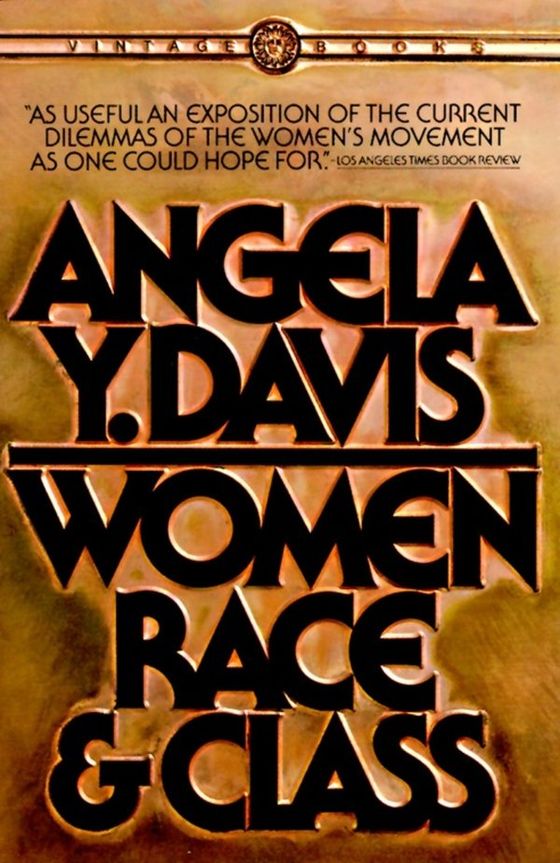
Women, Race & Class
by Angela Y. Davis
Feminism's missing argument. Found here.
For you if
you've ever wondered why feminism keeps leaving the same women behind.
⚡ Choose Your Route ⚡
Not sold directly on this site. Support indie bookstores with a new copy, or go sustainable with a used one.
Buy New on Bookshop.orgSupports independent bookstores
— OR —
Find Used on Better World BooksSecondhand & sustainable
$20 MSRP · Paperback
Reference price shown. Other editions may be available.
Published in 1981, *Women, Race & Class* delivers an indictment that mainstream feminism has spent four decades half-absorbing: the American women's movement was built on a foundation that explicitly chose whiteness over solidarity. Davis traces it from the abolitionist era through suffrage — where leaders like Elizabeth Cady Stanton broke with Black rights the moment they became inconvenient — through domestic labor, through reproductive rights campaigns that quietly embraced eugenics when it suited, through the labor movement's failure to center the women it most needed. This is not a failure-of-good-intentions story. It's structural. Davis writes as a Marxist historian, which means she's tracking who benefits and who gets cut loose, and the answer is consistent across a century: race and class determine whose freedom actually gets purchased. The book is the genealogy of a movement — and the argument for why intersectionality isn't a buzzword but a survival requirement.
Where This Book Lives
Davis writes from an explicitly Marxist framework, and it shows — not as a liability, but as a precision instrument. The class analysis is what keeps the book from softening into a collection of individual exclusions; it names structural choices, not personal failures. One seam worth naming: Davis is a lifelong Communist Party member and accepted the Lenin Peace Prize in 1979. P&P doesn't hide this. It matters in context — this is a book arguing that liberation movements cannot separate gender from class from race, written by someone who has lived that argument in all its complicated political dimensions. The politics are part of the record, not a footnote.
Related Viewing
Shares a topic, theme, or setting with this book in the catalog.

13th(2016)
dir. Ava DuVernay
Same event: Slavery in the United States · Same theme: Systemic Racism
The 13th Amendment's loophole built a prison nation.
Ava DuVernay's documentary traces one clause of the 13th Amendment, which abolished slavery except as punishment for a crime, from Reconstruction convict leasing through Jim Crow, the War on Drugs and the modern prison boom. Historians, activists and politicians make the case that mass incarceration is slavery's afterlife by another legal name.
Why it’s here: The punk move is the thesis itself: it reads the Constitution's own text as the loophole and then follows the money and the rhetoric, including footage of the politicians who built the machine, straight to the present. The pedagogy is in the method. It teaches a viewer to trace a single policy lever across 150 years instead of treating each era as a separate story, which is a transferable habit of mind. Worth knowing that some historians argue its straight line from slavery to prisons flattens a more tangled history, so watch it as a forceful argument rather than a settled account.
Where to watch: Streaming on NetflixLetterboxd ↗

Daughters of the Dust(1991)
dir. Julie Dash
Same event: Slavery in the United States · Same theme: Black History
Gullah women on the eve of leaving the Sea Islands.
1902, the Sea Islands off the Georgia and South Carolina coast. Three generations of Gullah women gather for a last day together before part of the family migrates north to the mainland, weighing what they carry from their African ancestors against what the future is calling them toward.
Why it’s here: The punk move is the form: Julie Dash refused the pacing, plot and explanatory voiceover a Hollywood period drama expects, and built a film from Gullah language, ritual and memory instead, narrated partly by an unborn child. The pedagogy is in what that costs and gives you. It teaches a viewer to read a culture on its own terms, and puts the question of what a family keeps and what it lets go at the center rather than treating it as backdrop. It is slow and non-linear by design, so it rewards a second watch and a conversation afterward more than a casual first one.
Where to watch: Criterion Channel, TubiLetterboxd ↗
Same event, different angle
The same history — told by someone who saw it differently.
A Court of Thorns and Roses
Sarah J. Maas
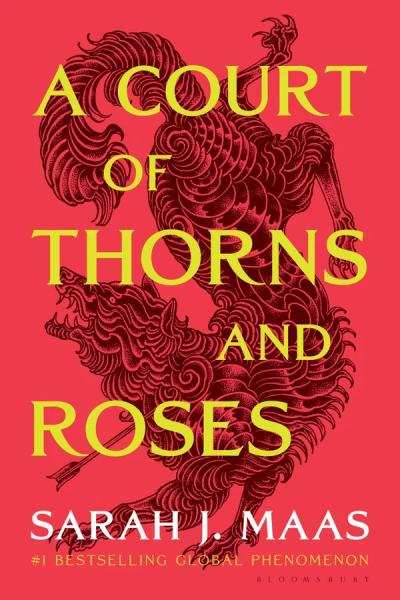
Survival instincts don't stop at the Wall.
✦ READ – REFLECT → RESIST
Aristophanes' Lysistrata: A Dual Language Edition
Aristophanes
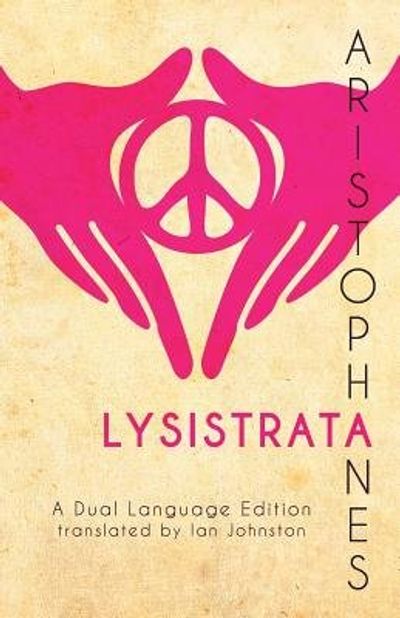
The oldest sex strike in history. Still works.
✦ READ – REFLECT → RESIST
Breathless
Jennifer Niven

A teen girl writes her own story.
✦ READ – REFLECT → RESIST
Forever...
Judy Blume

The teen novel they banned for telling the truth.
✦ READ – REFLECT → RESIST
Same pattern, different era
Different time, different place. The same thing keeps happening.
A Year of Biblical Womanhood
Rachel Held Evans

She followed the rules. The rules lost.
✦ READ – REFLECT → RESIST
Abolition. Feminism. Now.
Angela Y. Davis, Gina Dent, Erica R. Meiners & Beth E. Richie
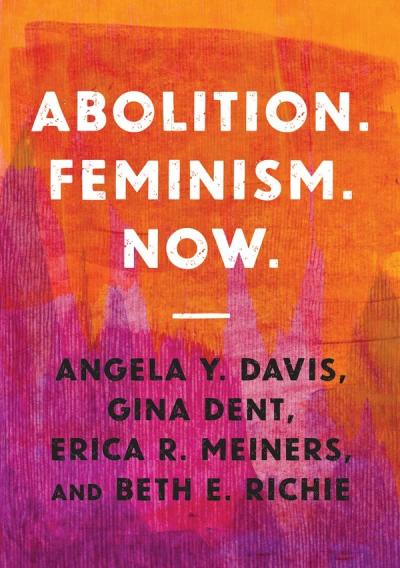
Safety without cages, built by feminists.
✦ READ – REFLECT → RESIST
Aristophanes' Lysistrata: A Dual Language Edition
Aristophanes
The oldest sex strike in history. Still works.
✦ READ – REFLECT → RESIST
Black Boy
Richard Wright
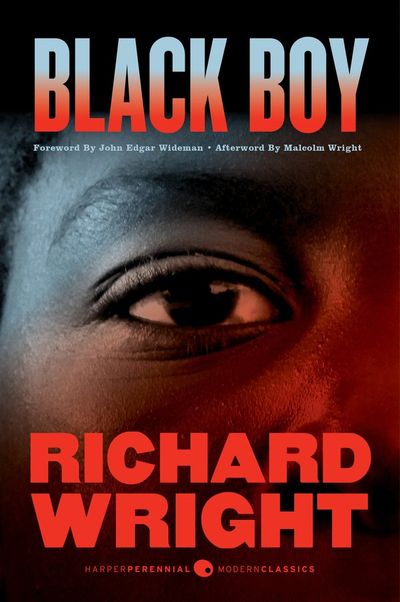
The autobiography Jim Crow didn't want written.
✦ READ – REFLECT → RESIST
For the family bookshelf
Same idea, written for a younger reader. Good for reading together.
Brave Girl: Clara and the Shirtwaist Makers' Strike of 1909
Michelle Markel
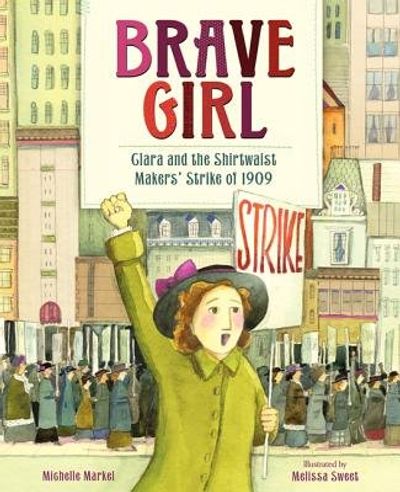
One girl stood up. Twenty thousand followed.
✦ READ – REFLECT → RESIST
Bread and Roses, Too
Katherine Paterson
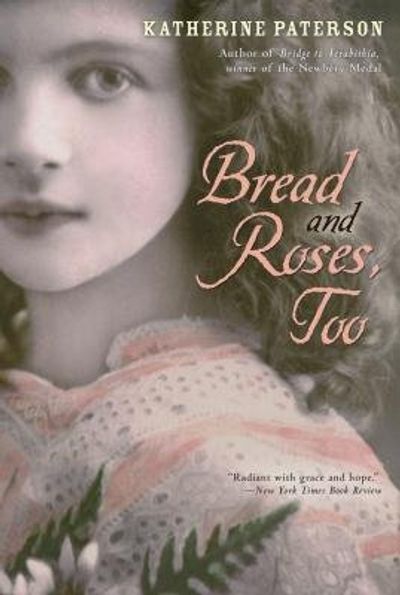
Bread. Roses. Neither is optional.
✦ READ – REFLECT → RESIST
Brown Girl Dreaming
Jacqueline Woodson

A Black girlhood in verse — history you can feel.
✦ READ – REFLECT → RESIST
Claudette Colvin: Twice Toward Justice
Phillip Hoose
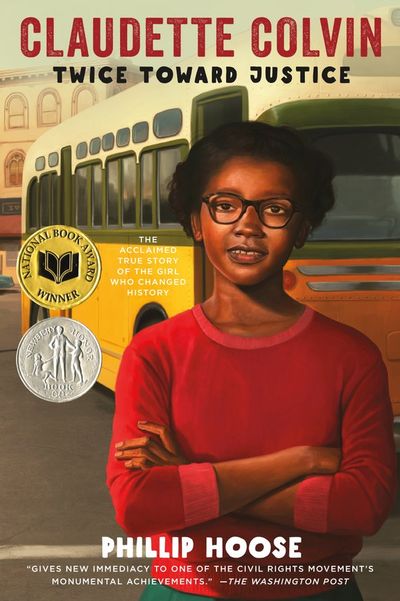
She refused first. History forgot her anyway.
✦ READ – REFLECT → RESIST