
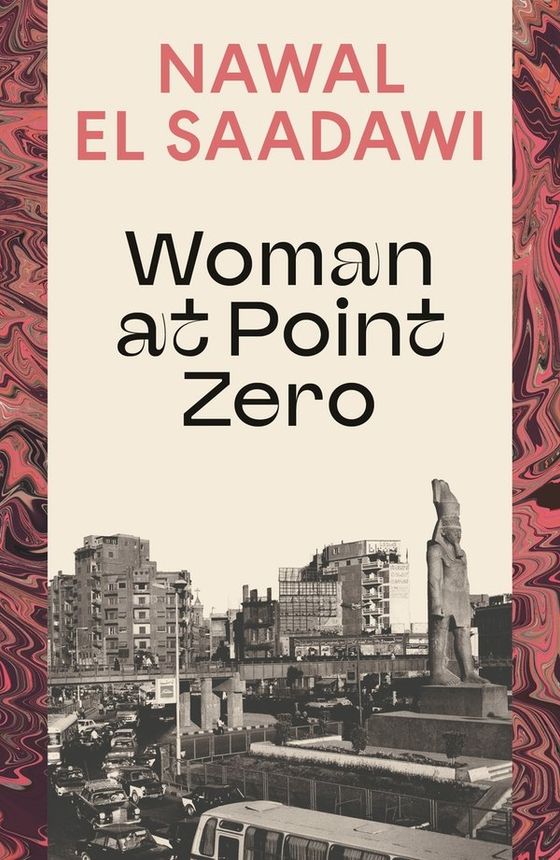
Woman at Point Zero
by Nawal El Saadawi
The only freedom they left her was death.
For you if
you've wondered how a woman ends up with no choices that aren't also traps
⚡ Choose Your Route ⚡
Not sold directly on this site. Support indie bookstores with a new copy, or go sustainable with a used one.
Buy New on Bookshop.orgSupports independent bookstores
— OR —
Find Used on Better World BooksSecondhand & sustainable
$16 MSRP · Paperback
Reference price shown. Other editions may be available.
Firdaus is on death row in a Cairo prison. She killed her pimp. She was offered a pardon and turned it down. When Nawal El Saadawi — a psychiatrist conducting research in the women's prison — asks to hear her story, Firdaus agrees to tell it once, to her, and then walks to her execution. What she describes is the operating system of patriarchy: how poverty, family, marriage, religion, and prostitution form a sequence of traps with no legitimate exit — and why, on death row, for the first time in her life, no one owns her body, and she is refusing to leave.
Where This Book Lives
- Setting
- Egypt • North Africa
- Voice
- Written by a Egyptian author
El Saadawi was a physician and psychiatrist who lost her government post for writing about female sexuality, was imprisoned by Sadat in 1981, and fled Egypt under Islamist threat in 1993 — all before dying in 2021 at 89, still the most subversive woman in the room. Her books were broadly censored across the Arab world, which is part of why this one lands so hard: it exists in spite of the machinery that tried to stop it. Worth knowing: her secular Arab feminism has been critiqued by postcolonial and Islamic feminist scholars for positioning Western secular frameworks as liberation and Islamic practice as inherently oppressive — an argument that, at its strongest, erases Muslim women's own diverse agency and choices. That debate is real and worth reading alongside this book, not instead of it; it makes the work more complex, not less essential.
Related Viewing
Shares a topic, theme, or setting with this book in the catalog.

Mustang(2015)
dir. Deniz Gamze Ergüven
Same themes: Bodily Autonomy, Patriarchy
Five sisters, one house that becomes a prison.
Five orphaned sisters in a remote Turkish village are caught playing with boys on the last day of school. Their family reads the afternoon as a scandal, and the house is converted bit by bit into a place of bars, chaperones and arranged marriages, while the youngest sisters plot a way out.
Why it’s here: The punk move is the tone: Ergüven shoots the girls as a pack of golden, tangled, laughing bodies, so the reader feels the freedom being taken away and not just told about it. The pedagogy is in how it traces the machinery. Surveillance gets dressed up as care, honor as love, and a whole community participates without a villain in the room, which is how restriction actually works. It deals with the forced marriage of teenage girls and some of the harm that follows, handled with restraint rather than spectacle, so it suits older teens and adults.
Where to watch: Free on Tubi, rent on Apple TVLetterboxd ↗

The Square(2013)
dir. Jehane Noujaim
Same country: Egypt
Eighteen days in Tahrir Square, then the years after.
Egyptian activists document Tahrir Square's uprising from Mubarak's 2011 fall through Morsi's 2013 ouster, as the revolution's meaning keeps shifting under their feet.
Why it’s here: Filmed over three years by activists who were still in the square as the story kept changing underneath them — a revolution that doesn't end cleanly with one dictator's fall, told by people who couldn't afford to stop paying attention.
Where to watch: Free on Tubi, KanopyLetterboxd ↗
Same event, different angle
The same history — told by someone who saw it differently.
A Court of Thorns and Roses
Sarah J. Maas
Survival instincts don't stop at the Wall.
✦ READ – REFLECT → RESIST
Breathless
Jennifer Niven
A teen girl writes her own story.
✦ READ – REFLECT → RESIST
Forever...
Judy Blume

The teen novel they banned for telling the truth.
✦ READ – REFLECT → RESIST
Kim Jiyoung, Born 1982
Cho Nam-Joo
One woman's life. Every woman's system.
✦ READ – REFLECT → RESIST
Same pattern, different era
Different time, different place. The same thing keeps happening.
A Court of Thorns and Roses
Sarah J. Maas
Survival instincts don't stop at the Wall.
✦ READ – REFLECT → RESIST
A Year of Biblical Womanhood
Rachel Held Evans
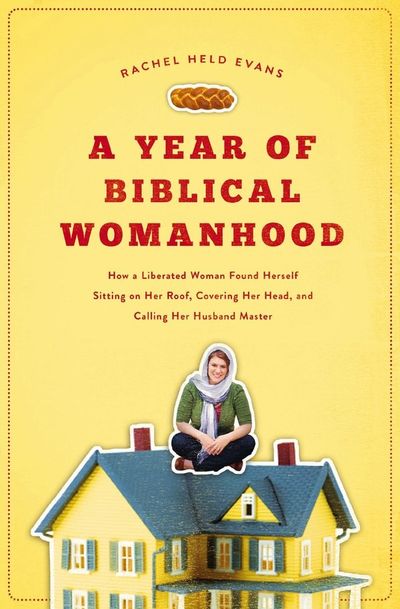
She followed the rules. The rules lost.
✦ READ – REFLECT → RESIST
Aristophanes' Lysistrata: A Dual Language Edition
Aristophanes
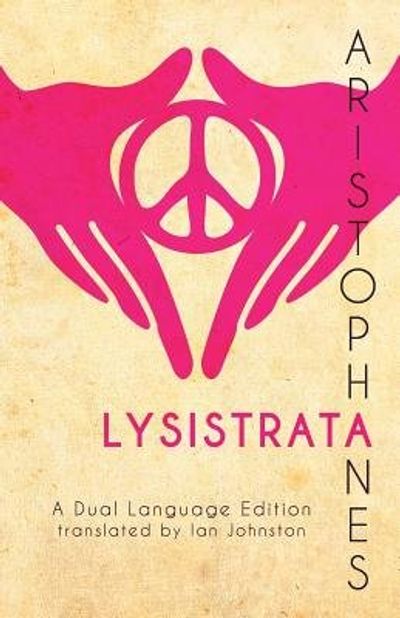
The oldest sex strike in history. Still works.
✦ READ – REFLECT → RESIST
Breathless
Jennifer Niven
A teen girl writes her own story.
✦ READ – REFLECT → RESIST
For the family bookshelf
Same idea, written for a younger reader. Good for reading together.
Amal Unbound
Aisha Saeed
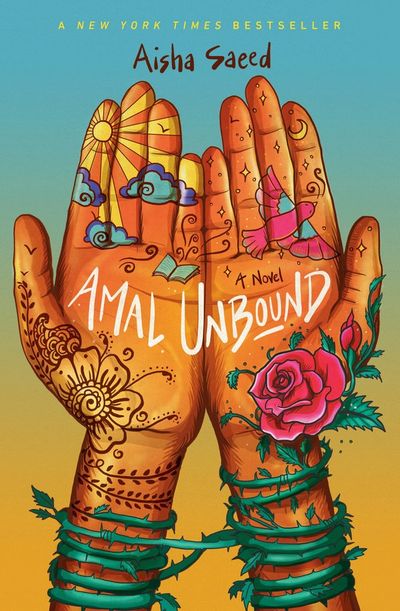
The debt wasn't hers. The cage is.
✦ READ – REFLECT → RESIST
Bread and Roses, Too
Katherine Paterson
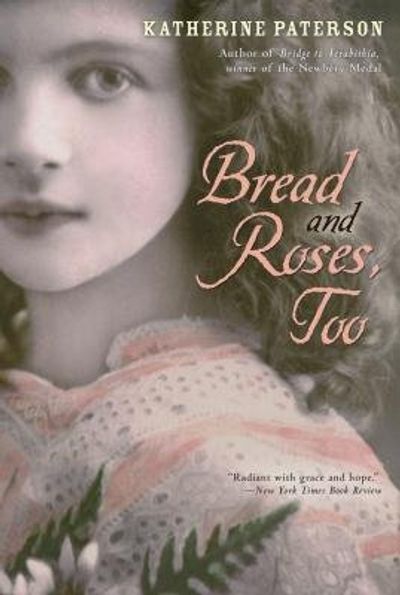
Bread. Roses. Neither is optional.
✦ READ – REFLECT → RESIST
Consent (for Kids!): Boundaries, Respect, and Being in Charge of YOU
Rachel Brian
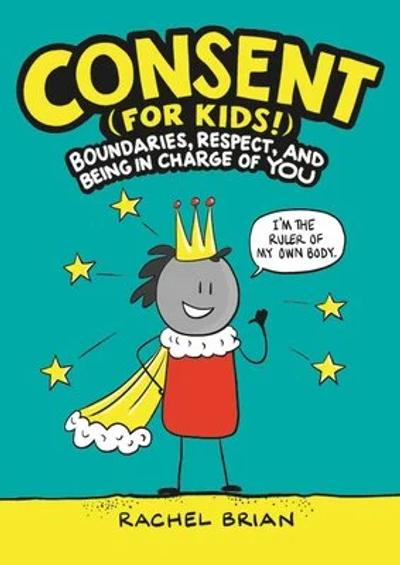
Consent as a skill, not a lecture.
✦ READ – REFLECT → RESIST
It's Perfectly Normal: Changing Bodies, Growing Up, Sex, Gender, and Sexual Health
Robie H. Harris
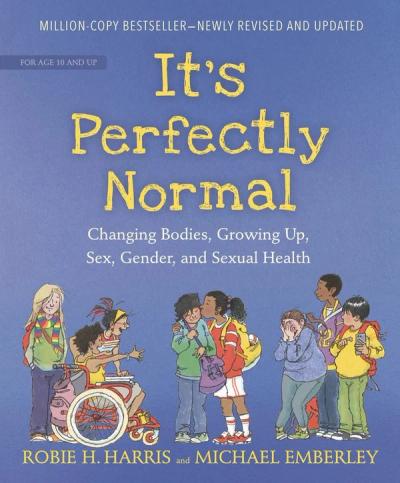
The sex ed book America keeps trying to ban.
✦ READ – REFLECT → RESIST