
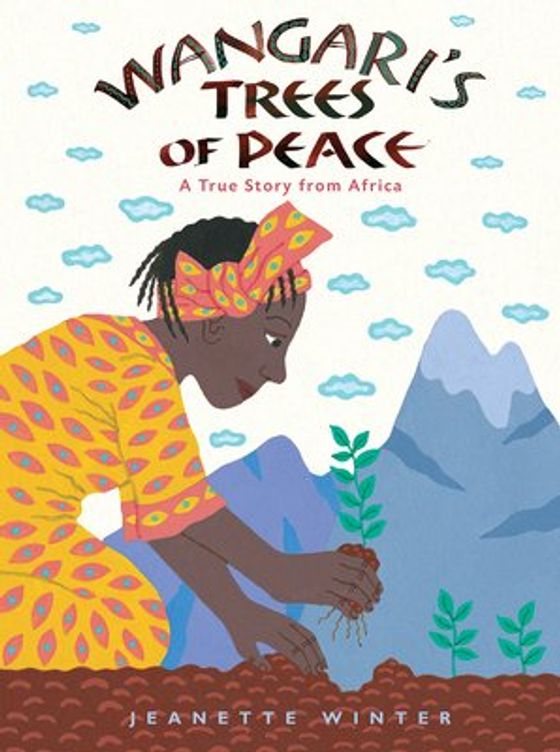
Wangari’s Trees of Peace: A True Story from Africa
by Jeanette Winter
One woman, one seed, a whole forest.
For you if
your kid wants to know what one person can do about a big problem.
⚡ Choose Your Route ⚡
Not sold directly on this site. Support indie bookstores with a new copy, or go sustainable with a used one.
Buy New on Bookshop.orgSupports independent bookstores
— OR —
Find Used on Better World BooksSecondhand & sustainable
$18 MSRP · Hardcover
Reference price shown. Other editions may be available.
When Wangari Maathai comes home to Kenya, the land has been stripped of trees, and the women who gather firewood have to walk farther every year. She starts by planting seeds in her backyard, and teaches other women to do the same. When bulldozers and bosses push back, she keeps planting, and the trees keep spreading. In bold paintings and a few plain sentences, it shows a child that one person with a seed can start something large.
Where This Book Lives
- Topics
- green belt movement
A picture-book companion to Unbowed, already in the catalog. Maathai won the Nobel Peace Prize in 2004, and the Green Belt Movement she founded is a good example of change made by ordinary women. Gentle, with a short mention of her being jailed and beaten for it. After reading, ask: who tried to stop her, and why?
Related Viewing
Shares a topic, theme, or setting with this book in the catalog.
Crip Camp(2020)
dir. Nicole Newnham & James LeBrecht
Same theme: Activism
A summer camp that started a rights movement.
In the early 1970s, a ramshackle summer camp for teenagers with disabilities near Woodstock, Camp Jened, ran on hippie rules: no adults in charge of the kids' lives. The campers, among them co-director James LeBrecht and the future activist Judy Heumann, went on to organize the sit-ins and protests that helped win the Americans with Disabilities Act. It was produced for Netflix and was nominated for the Oscar for Best Documentary Feature.
Why it’s here: The film shows that a movement can begin as a summer. What's punk is that the people it follows organize without asking permission, and refuse to be treated as objects of pity. What's pedagogical is the through-line from a place where kids ran their own lives to a federal law that changed what was possible. It's a rare entry on disability and civil rights, and a natural fit for DoCR's self-organization principle.
Where to watch: Streaming on NetflixLetterboxd ↗
Kirikou and the Sorceress(1998)
dir. Michel Ocelot
Same theme: Courage
The tiny hero who asks why she’s cruel.
In a West African village, a newborn boy named Kirikou speaks, walks and sets out to save his people from Karaba, the sorceress who has dried up their spring. The question he keeps asking is why she is so cruel. The answer changes how the story ends. It is based on West African folktales and runs about 70 minutes.
Why it’s here: The film turns a fairy tale about a tiny hero into a story about asking why the villain does what she does. What's punk is that Kirikou wins by understanding, not by force. What's pedagogical is the question itself, which is one a kid can carry out of the theatre. A good pick for a family watch. Note: the film is sometimes critiqued for its stereotyped portrayal of West Africa, written by a French director, and it includes non-sexual nudity.
Where to watch: Prime Video (subscription); rent ~$0.99Letterboxd ↗
Same pattern, different era
Different time, different place. The same thing keeps happening.
Number the Stars
Lois Lowry
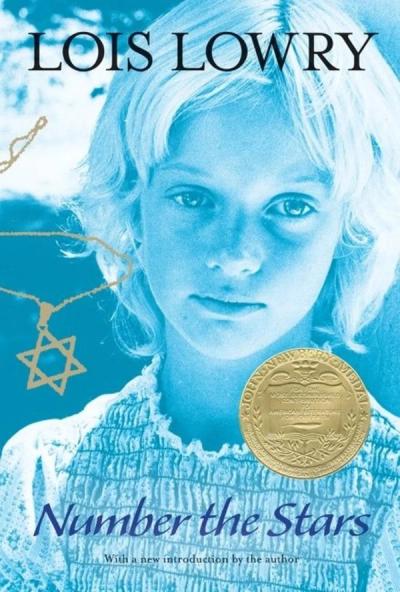
The Nazis are rounding up Jews. Her family hides her best friend.
✦ READ – REFLECT → RESIST
Amal Unbound
Aisha Saeed
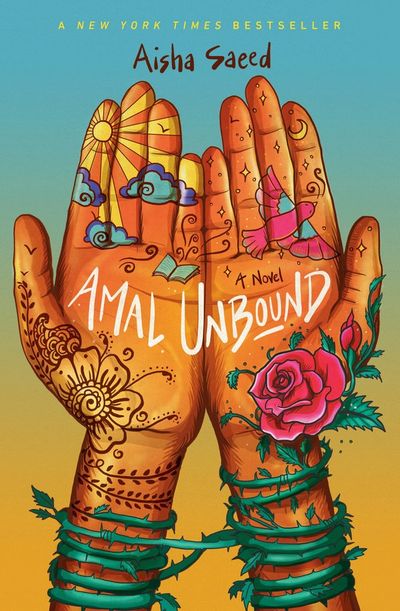
The debt wasn't hers. The cage is.
✦ READ – REFLECT → RESIST
Brave Girl: Clara and the Shirtwaist Makers' Strike of 1909
Michelle Markel
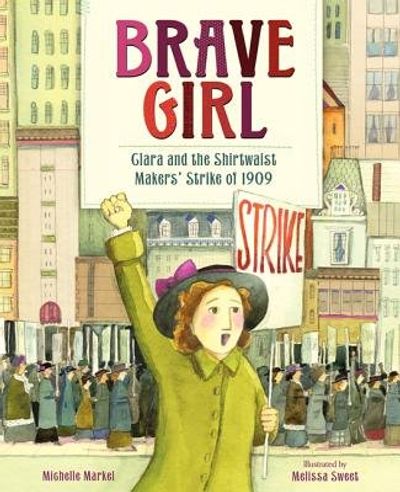
One girl stood up. Twenty thousand followed.
✦ READ – REFLECT → RESIST
Claudette Colvin: Twice Toward Justice
Phillip Hoose
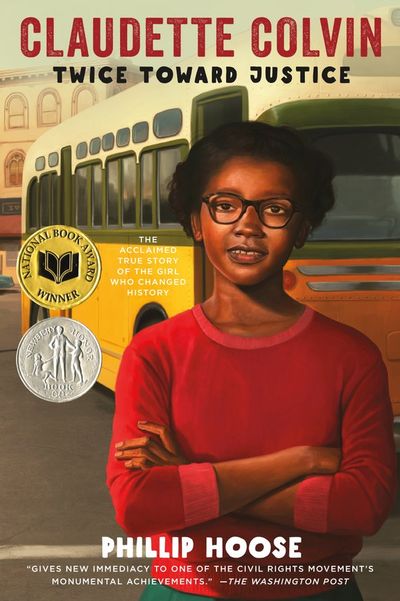
She refused first. History forgot her anyway.
✦ READ – REFLECT → RESIST
For the grown-up bookshelf
Same idea, written for a grown-up. Good for the adult in the room, too.
Beautiful Trouble: A Toolbox for Revolution
Andrew Boyd & Dave Oswald Mitchell (eds.)
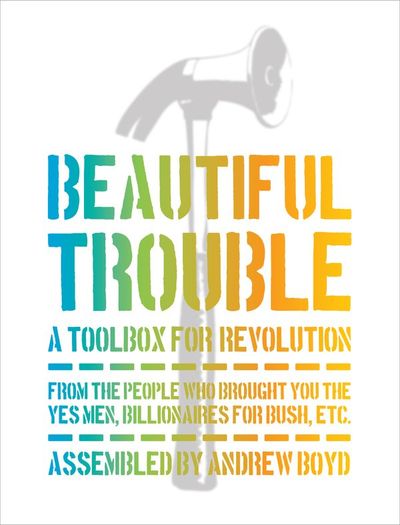
A tactics manual for making trouble well.
✦ READ – REFLECT → RESIST
Come As You Are
Emily Nagoski
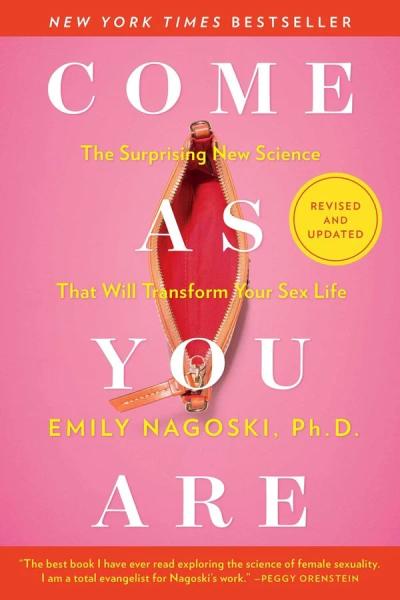
The manual nobody handed you at fifteen.
✦ READ – REFLECT → RESIST
Doughnut Economics
Kate Raworth
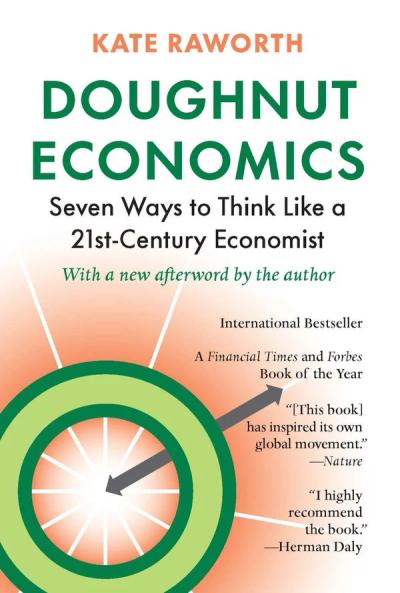
The economy we need, drawn as a doughnut.
✦ READ – REFLECT → RESIST
Hope in the Dark
Rebecca Solnit
Hope is a practice, not a feeling.
✦ READ – REFLECT → RESIST