
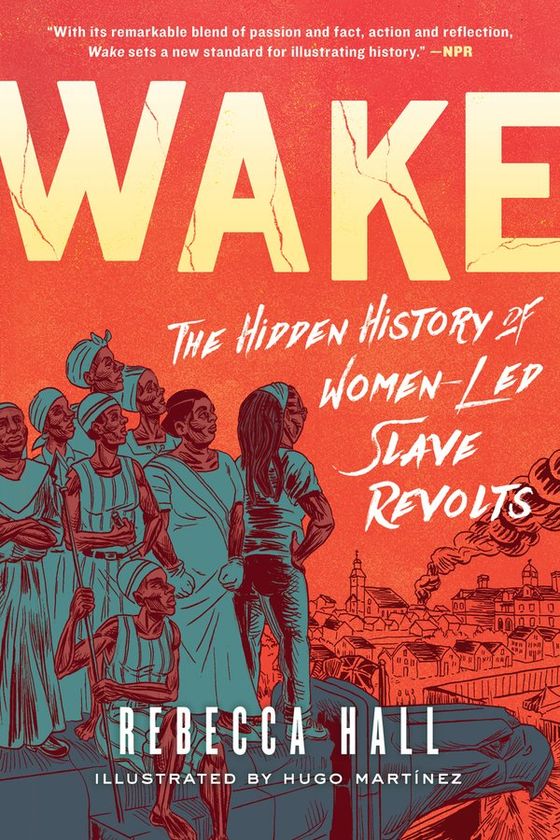
Wake: The Hidden History of Women-Led Slave Revolts
by Rebecca Hall
They led the revolts. History erased them.
For you if
you've wondered whose names got left out of the history of resistance
⚡ Choose Your Route ⚡
Not sold directly on this site. Support indie bookstores with a new copy, or go sustainable with a used one.
Buy New on Bookshop.orgSupports independent bookstores
— OR —
Find Used on Better World BooksSecondhand & sustainable
$20 MSRP · Paperback
Reference price shown. Other editions may be available.
In the colonial archives — ship captains' logs, court records, forensic evidence from Manhattan's "negro burying ground" — Rebecca Hall found something history had buried: women who led slave revolts. Women who organized resistance on slave ships. Women whose names appear only in fragments, notations, margins, and then disappear. She put them on the page anyway. Wake is a graphic memoir — Hall appears as herself, moving through the archives, reconstructing lives from the silences that surround them. The graphic form isn't a novelty; it's the method. When the only surviving record of a woman's resistance is a line in a ledger, you draw what the documents refused to say. Hugo Martínez illustrates lives that were partly erased into near-existence. What Hall recovers isn't only a correction. It's an indictment — of what gets preserved, who gets credited with resistance, and what we lose when the archive and the history textbook tell the same lie.
Where This Book Lives
Hall has a JD and a PhD. She spent eight years as a lawyer representing low-income tenants and homeless families before going back for a doctorate in history. Both credentials matter here: she reads these documents like someone who knows what court records are designed to suppress, and she reconstructs from them like someone who has spent a career believing that what the record says happened is not the whole story. The methodology she calls "historical imagination" is rigorous, not speculative. When evidence survives only as a fragment, she shows her work — here's what the document says, here's what it doesn't say, here's what we can reasonably infer. The graphic form is how she makes that distinction visible. She's in the book herself, processing what she's finding in real time, which is the most honest thing she could have done. Hugo Martínez is an independent comics artist based in New Orleans. The collaboration works because he renders the archive's violence and the women's presence in the same visual language — neither romanticized nor flattened. We put this in SEE THROUGH IT because that's what it is, first and foremost: a demonstration that history is a set of choices about what to preserve, what to credit, and who gets to be legible as a historical actor. The women here led revolts. The archive suppressed them. The textbook repeated the suppression. Hall found them. That sequence is the argument.
Related Viewing
Shares a topic, theme, or setting with this book in the catalog.
Daughters of the Dust(1991)
dir. Julie Dash
Same event: Slavery in the United States · Same themes: Ancestral Memory, Black History
Gullah women on the eve of leaving the Sea Islands.
1902, the Sea Islands off the Georgia and South Carolina coast. Three generations of Gullah women gather for a last day together before part of the family migrates north to the mainland, weighing what they carry from their African ancestors against what the future is calling them toward.
Why it’s here: The punk move is the form: Julie Dash refused the pacing, plot and explanatory voiceover a Hollywood period drama expects, and built a film from Gullah language, ritual and memory instead, narrated partly by an unborn child. The pedagogy is in what that costs and gives you. It teaches a viewer to read a culture on its own terms, and puts the question of what a family keeps and what it lets go at the center rather than treating it as backdrop. It is slow and non-linear by design, so it rewards a second watch and a conversation afterward more than a casual first one.
Where to watch: Criterion Channel, TubiLetterboxd ↗

13th(2016)
dir. Ava DuVernay
Same event: Slavery in the United States
The 13th Amendment's loophole built a prison nation.
Ava DuVernay's documentary traces one clause of the 13th Amendment, which abolished slavery except as punishment for a crime, from Reconstruction convict leasing through Jim Crow, the War on Drugs and the modern prison boom. Historians, activists and politicians make the case that mass incarceration is slavery's afterlife by another legal name.
Why it’s here: The punk move is the thesis itself: it reads the Constitution's own text as the loophole and then follows the money and the rhetoric, including footage of the politicians who built the machine, straight to the present. The pedagogy is in the method. It teaches a viewer to trace a single policy lever across 150 years instead of treating each era as a separate story, which is a transferable habit of mind. Worth knowing that some historians argue its straight line from slavery to prisons flattens a more tangled history, so watch it as a forceful argument rather than a settled account.
Where to watch: Streaming on NetflixLetterboxd ↗
Same event, different angle
The same history — told by someone who saw it differently.
Pleasure Activism: The Politics of Feeling Good
adrienne maree brown
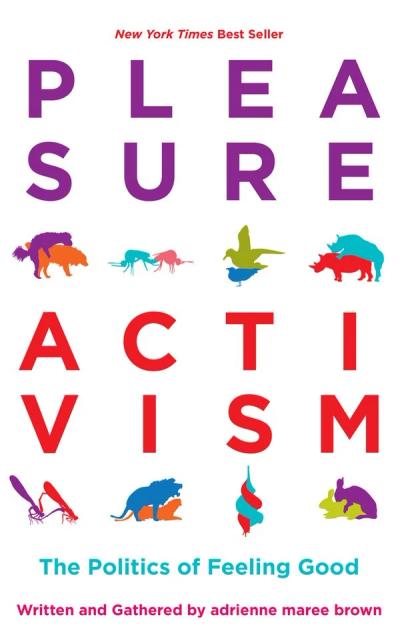
Pleasure is the work.
✦ READ – REFLECT → RESIST
Omeros
Derek Walcott
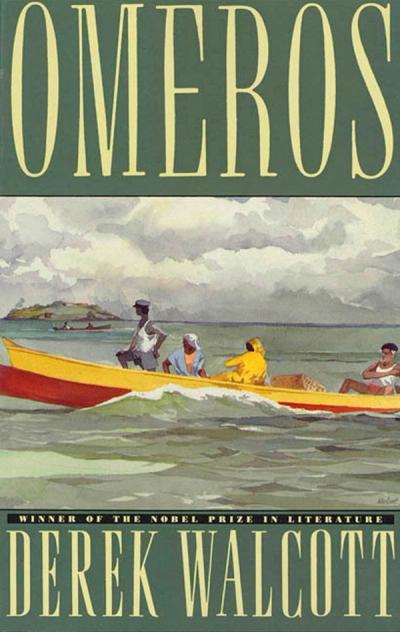
Homer's Odyssey, reborn in the Caribbean.
✦ READ – REFLECT → RESIST
Debt: The First 5,000 Years
David Graeber

Debt is 5,000 years old. It was always about power.
✦ READ – REFLECT → RESIST
We Do This 'Til We Free Us
Mariame Kaba
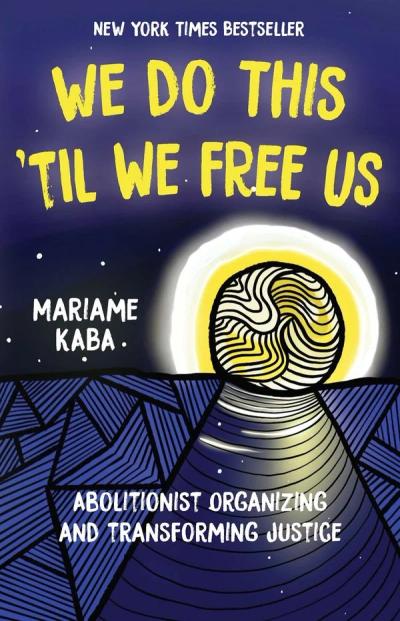
What abolition actually means.
✦ READ – REFLECT → RESIST
Same pattern, different era
Different time, different place. The same thing keeps happening.
Aristophanes' Lysistrata: A Dual Language Edition
Aristophanes
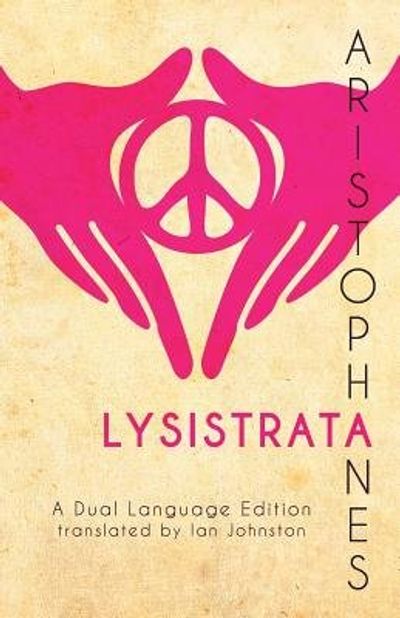
The oldest sex strike in history. Still works.
✦ READ – REFLECT → RESIST
The Hate U Give
Angie Thomas
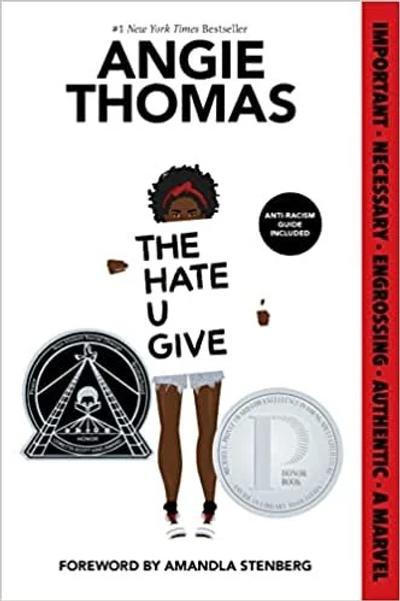
Witness. Target. Survivor.
✦ READ – REFLECT → RESIST
The Librarian of Auschwitz
Antonio Iturbe
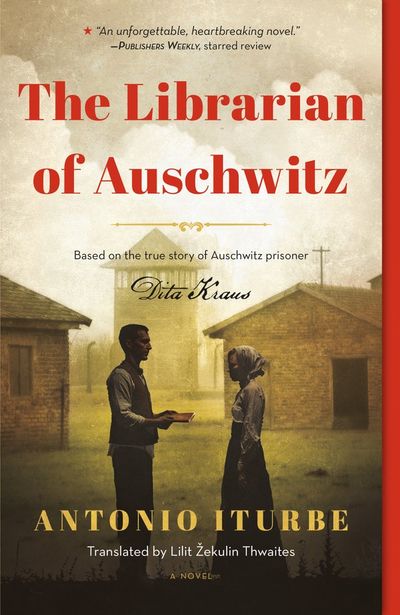
Eight books. One library. One defiant act.
✦ READ – REFLECT → RESIST
Wayward Lives, Beautiful Experiments: Intimate Histories of Riotous Black Girls, Troublesome Women, and Queer Radicals
Saidiya Hartman
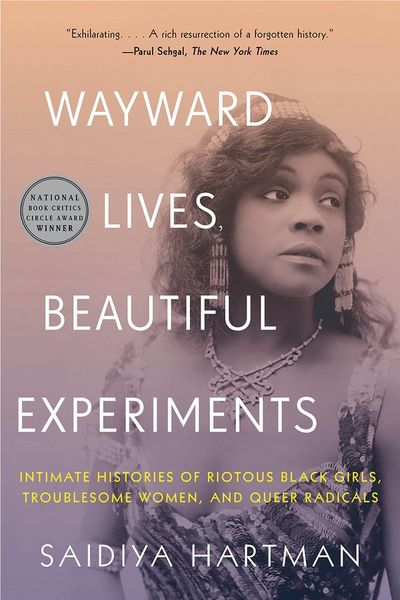
Black women's lives, read against the archive.
✦ READ – REFLECT → RESIST
For the family bookshelf
Same idea, written for a younger reader. Good for reading together.
Brown Girl Dreaming
Jacqueline Woodson
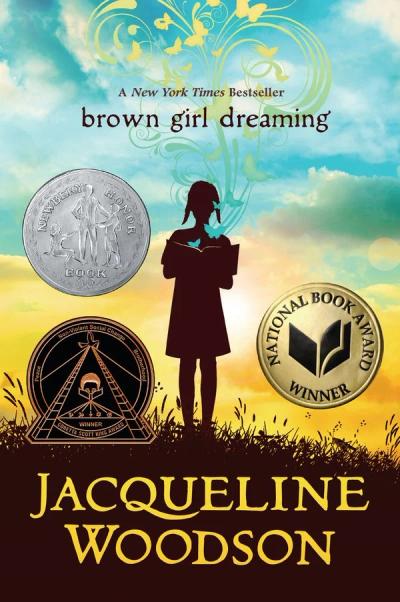
A Black girlhood in verse — history you can feel.
✦ READ – REFLECT → RESIST
Claudette Colvin: Twice Toward Justice
Phillip Hoose
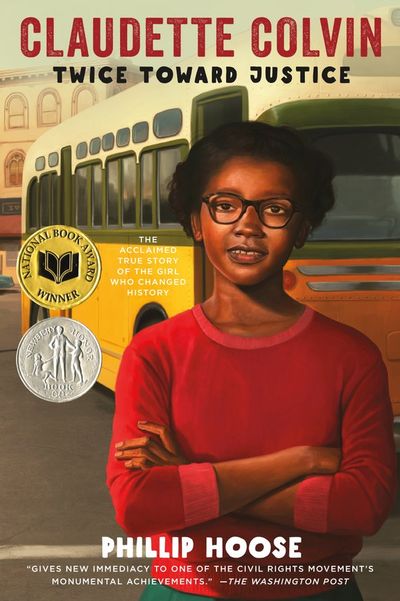
She refused first. History forgot her anyway.
✦ READ – REFLECT → RESIST
One Crazy Summer
Rita Williams-Garcia
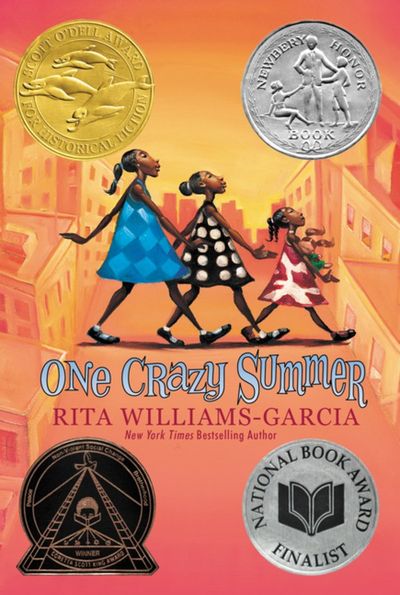
Three sisters, one summer with the Panthers.
✦ READ – REFLECT → RESIST
Freedom Dreams
Robin D. G. Kelley
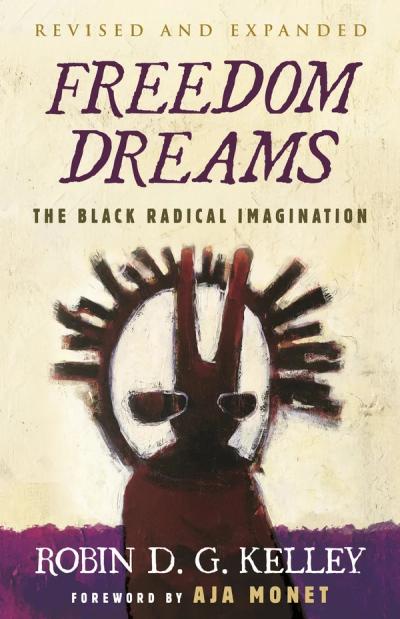
Radical hope as resistance strategy.
✦ READ – REFLECT → RESIST