
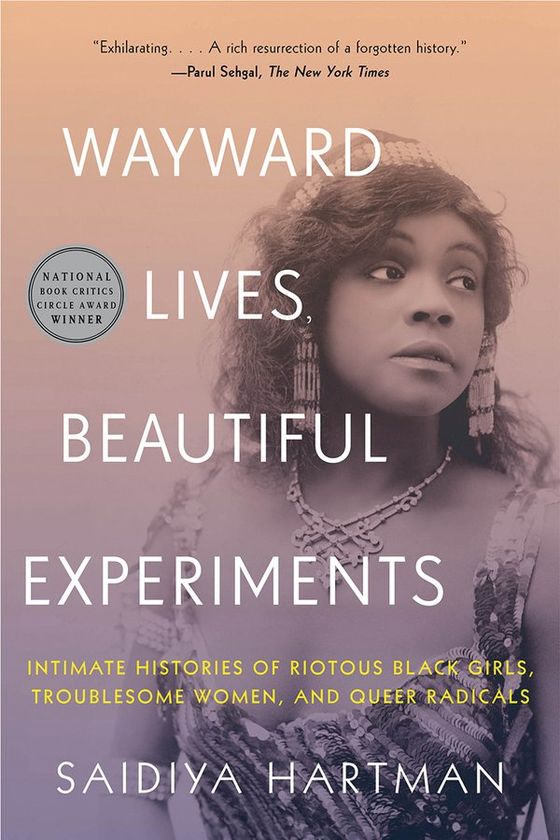
Wayward Lives, Beautiful Experiments: Intimate Histories of Riotous Black Girls, Troublesome Women, and Queer Radicals
by Saidiya Hartman
Black women's lives, read against the archive.
For you if
you want to see what freedom looked like before it had a movement.
⚡ Choose Your Route ⚡
Not sold directly on this site. Support indie bookstores with a new copy, or go sustainable with a used one.
Buy New on Bookshop.orgSupports independent bookstores
— OR —
Find Used on Better World BooksSecondhand & sustainable
$22 MSRP · Paperback
Reference price shown. Other editions may be available.
Hartman goes into the archive of case files, social-work reports and police records where young Black women in early-1900s Philadelphia and New York were catalogued as criminals and 'wayward,' and reads them against the grain, as people trying new ways to live. 'Wayward' becomes an experiment: free love, chorus lines, a room of one's own. The book hands you a method as well as a story: how to find the people history filed under 'problem.'
Where This Book Lives
Pass with note: dense and lyrical, written in a speculative mode Hartman calls critical fabulation, so it reads closer to prose poetry than conventional history. Not a first-stop read. Pairs with Freedom Dreams. Confirm the paperback price.
Related Viewing
Shares a topic, theme, or setting with this book in the catalog.
Daughters of the Dust(1991)
dir. Julie Dash
Same event: Great Migration · Same themes: Black History, Women's Lives
Gullah women on the eve of leaving the Sea Islands.
1902, the Sea Islands off the Georgia and South Carolina coast. Three generations of Gullah women gather for a last day together before part of the family migrates north to the mainland, weighing what they carry from their African ancestors against what the future is calling them toward.
Why it’s here: The punk move is the form: Julie Dash refused the pacing, plot and explanatory voiceover a Hollywood period drama expects, and built a film from Gullah language, ritual and memory instead, narrated partly by an unborn child. The pedagogy is in what that costs and gives you. It teaches a viewer to read a culture on its own terms, and puts the question of what a family keeps and what it lets go at the center rather than treating it as backdrop. It is slow and non-linear by design, so it rewards a second watch and a conversation afterward more than a casual first one.
Where to watch: Criterion Channel, TubiLetterboxd ↗
Summer of Soul (...Or, When the Revolution Could Not Be Televised)(2021)
dir. Questlove
Same themes: Black History, Reclaimed Historical Narratives
The festival history forgot for fifty years.
In the summer of 1969, 300,000 people went to Harlem's Mount Morris Park for the Harlem Cultural Festival, a series of free concerts with Stevie Wonder, Nina Simone, Sly and the Family Stone, Mahalia Jackson and others. The footage sat in a basement for fifty years. Questlove cuts it together with interviews with the people who were there. It won the Oscar for Best Documentary Feature.
Why it’s here: The film recovers a piece of Black history that the mainstream skipped while Woodstock got the myth. What's punk is the recovery: the question of who decides which summer gets remembered. What's pedagogical is the way it ties music to the politics of the year, from the Panthers to the moon landing. It sits next to I Am Not Your Negro and Hale County in the catalog's picks.
Where to watch: Hulu; also rent on most platformsLetterboxd ↗
Same event, different angle
The same history — told by someone who saw it differently.
Black Boy
Richard Wright
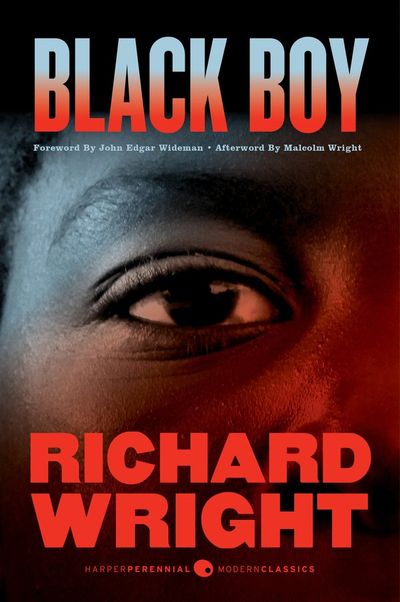
The autobiography Jim Crow didn't want written.
✦ READ – REFLECT → RESIST
Homegoing
Yaa Gyasi
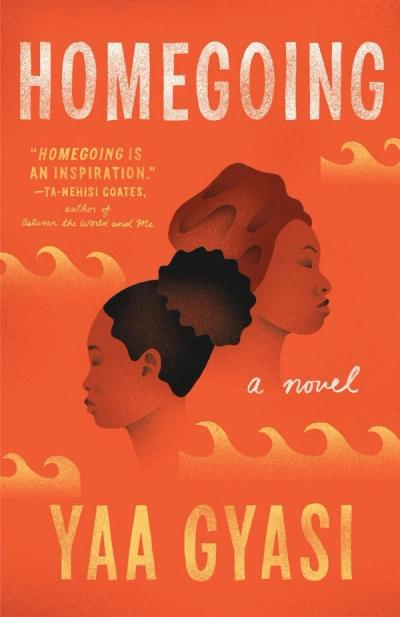
Two sisters. Seven generations of consequence.
✦ READ – REFLECT → RESIST
The Warmth of Other Suns
Isabel Wilkerson
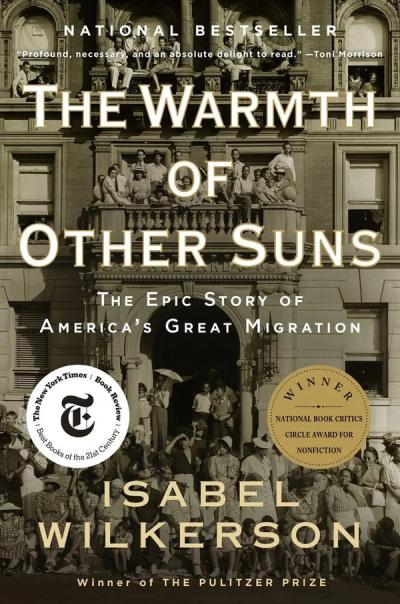
Six million people left the South. Here are three of them.
✦ READ – REFLECT → RESIST
Invisible Man
Ralph Ellison
A Black man in America, unseen. He writes himself into existence.
✦ READ – REFLECT → RESIST
Same pattern, different era
Different time, different place. The same thing keeps happening.
Ain't I a Woman: Black Women and Feminism
bell hooks
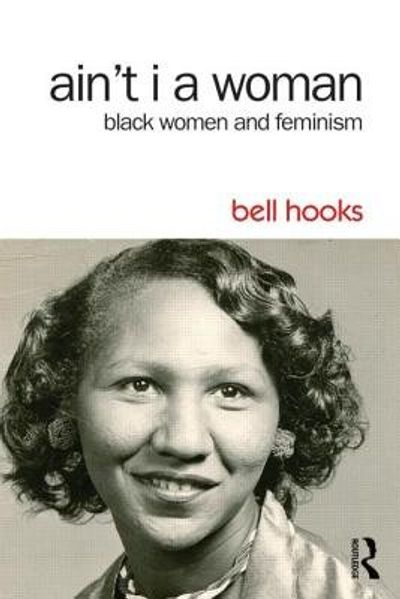
Who gets to count as a woman?
✦ READ – REFLECT → RESIST
Aristophanes' Lysistrata: A Dual Language Edition
Aristophanes
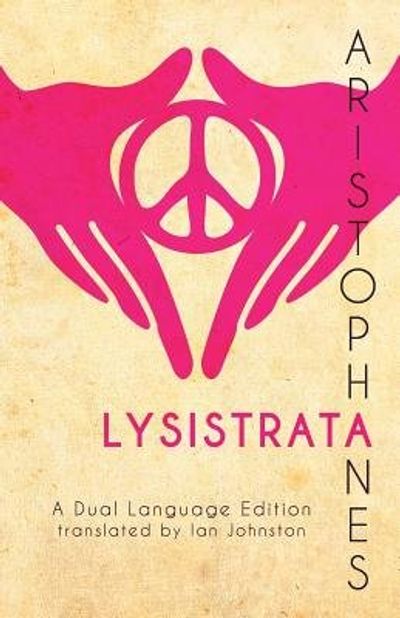
The oldest sex strike in history. Still works.
✦ READ – REFLECT → RESIST
Black Boy
Richard Wright
The autobiography Jim Crow didn't want written.
✦ READ – REFLECT → RESIST
Black Marxism: The Making of the Black Radical Tradition
Cedric J. Robinson
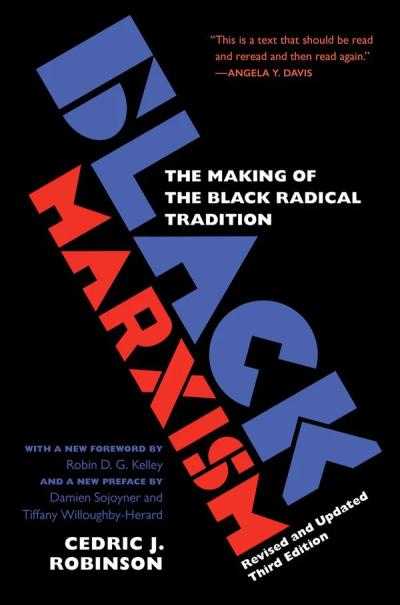
Capitalism was racial from day one.
✦ READ – REFLECT → RESIST
For the family bookshelf
Same idea, written for a younger reader. Good for reading together.
Brown Girl Dreaming
Jacqueline Woodson
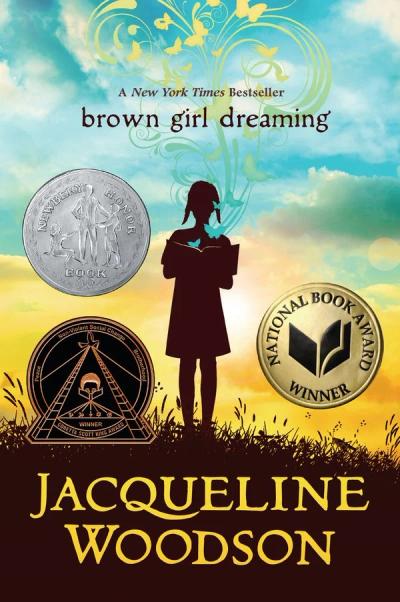
A Black girlhood in verse — history you can feel.
✦ READ – REFLECT → RESIST
Claudette Colvin: Twice Toward Justice
Phillip Hoose
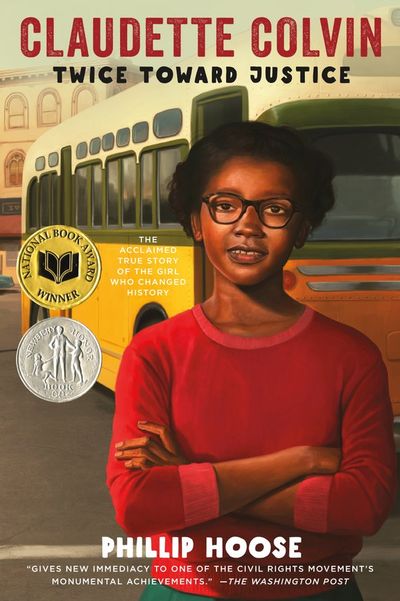
She refused first. History forgot her anyway.
✦ READ – REFLECT → RESIST
One Crazy Summer
Rita Williams-Garcia
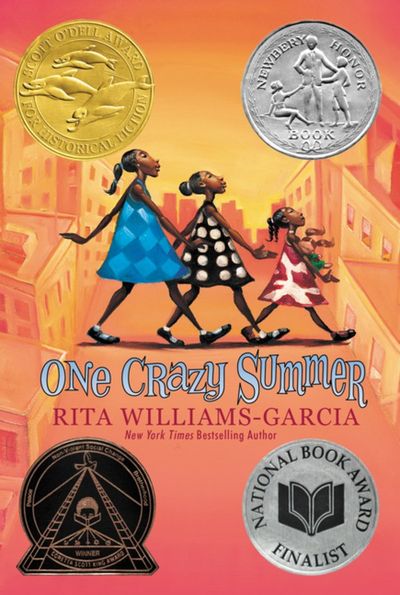
Three sisters, one summer with the Panthers.
✦ READ – REFLECT → RESIST
All Different Now: Juneteenth, the First Day of Freedom
Punk and Pedagogy
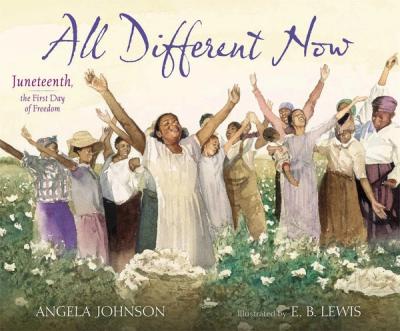
The morning everything changed.
✦ READ – REFLECT → RESIST