
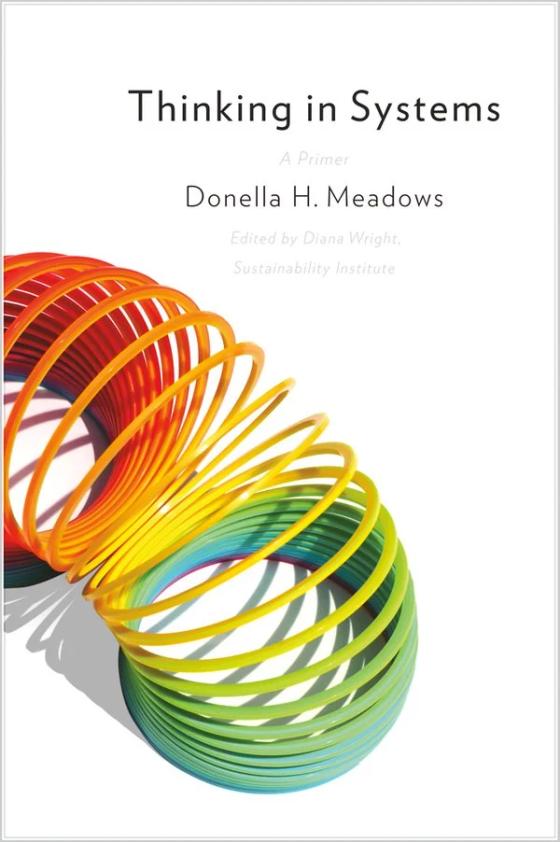
Thinking in Systems: A Primer
by Donella H. Meadows
Why systems resist change, and where to push.
For you if
you keep fixing symptoms and want to find the lever.
⚡ Choose Your Route ⚡
Not sold directly on this site. Support indie bookstores with a new copy, or go sustainable with a used one.
Buy New on Bookshop.orgSupports independent bookstores
— OR —
Find Used on Better World BooksSecondhand & sustainable
$20 MSRP · Paperback
Reference price shown. Other editions may be available.
Meadows, the lead author of The Limits to Growth, explains how systems work: stocks, flows, feedback loops, and the places where a small push moves a big thing. She ends with a list of leverage points, from the weakest (tweak a number) to the strongest (change the goal of the system). It is the clearest short book on why well-meant interventions fail and what to do instead.
Where This Book Lives
Pass. Posthumous, assembled from Meadows's drafts, and so slightly uneven in places. No documented author concerns; Meadows spent her life as a teacher and a farmer-activist. Fills a gap in the Make Something Better shelf: the how-to-think book for builders. Close relatives: Emergent Strategy and Doughnut Economics (suggested 10-14).
Related Viewing
Shares a topic, theme, or setting with this book in the catalog.
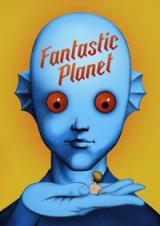
Fantastic Planet(1973)
dir. René Laloux
Same themes: Collective Action, Courage
Pet humans learn to read. The giants panic.
On a distant planet, giant blue Draags keep tiny humans, called Oms, as pets. One Om, Terr, escapes with a stolen learning device and teaches himself to read. The Oms organize in the wild and the Draags have to decide what to do. Animated by Roland Topor and made in Czechoslovakia, it won a Special Jury Prize at Cannes in 1973.
Why it’s here: The film turns a pet-and-owner story into an allegory of how a ruling class sees the people it keeps. What's punk is that the hero's weapon is literacy and the story is about who gets to learn. What's pedagogical is how easily it can be read as slavery, colonialism or cold-war Czechoslovakia, so a class can argue which. Pairs with Animal Farm, The Giver and Pedagogy of the Oppressed. Note: strange, surreal and slow in places, with some nudity and a violent first act; best for older teens and adults.
Where to watch: Criterion Channel (title page found, subscription); verify, as Criterion Channel titles rotate.Letterboxd ↗
Fire at Sea (Fuocoammare)(2016)
dir. Gianfranco Rosi
Same themes: Community, Courage
A boy plays on an island where migrants wash up.
On the Italian island of Lampedusa, a twelve-year-old boy learns to use a slingshot, a doctor treats seasick islanders, and a radio operator hears distress calls from boats in the Mediterranean. The film cuts between the island's daily life and the coast guard rescuing people from overloaded boats. It won the Golden Bear at Berlin.
Why it’s here: The film holds two worlds side by side and refuses to explain either: the island that goes on with its life, and the people who arrive. What's punk is the refusal of voiceover and the absence of a rescue narrative. What's pedagogical is that students can discuss what the camera chooses to look at. Companion to Exit West and Solito. Note: slow and quiet, with scenes of bodies from a rescue.
Where to watch: Free on Kanopy and Hoopla; Kino Film Collection; rent $2.99-3.99 on Amazon, Apple TV and Fandango At Home (JustWatch US, Oct 28 2026)Letterboxd ↗
Same pattern, different era
Different time, different place. The same thing keeps happening.
A Brief History of Neoliberalism
David Harvey
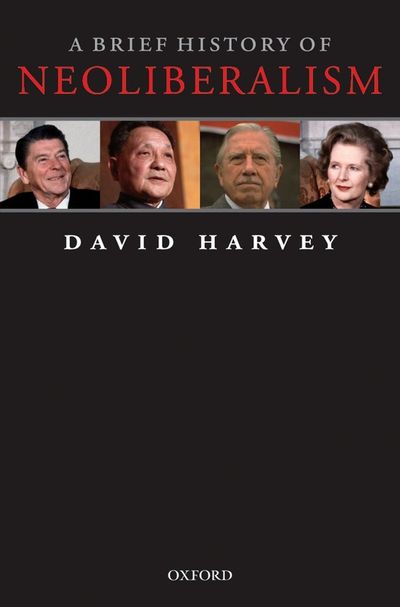
How "free markets" became everyone's common sense.
✦ READ – REFLECT → RESIST
A Girl Is a Body of Water
Jennifer Nansubuga Makumbi
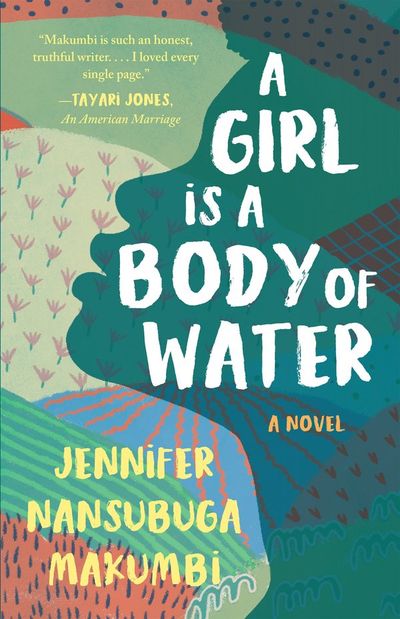
A Ugandan girl asks who the women before her were.
✦ READ – REFLECT → RESIST
Algorithms of Oppression: How Search Engines Reinforce Racism
Safiya Umoja Noble
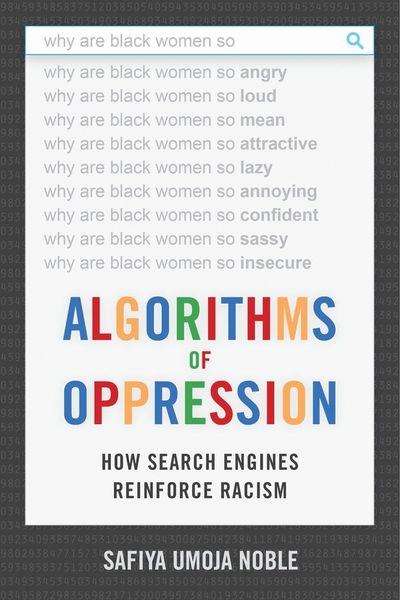
Search isn't neutral. It's an ad business.
✦ READ – REFLECT → RESIST
Aristophanes' Lysistrata: A Dual Language Edition
Aristophanes
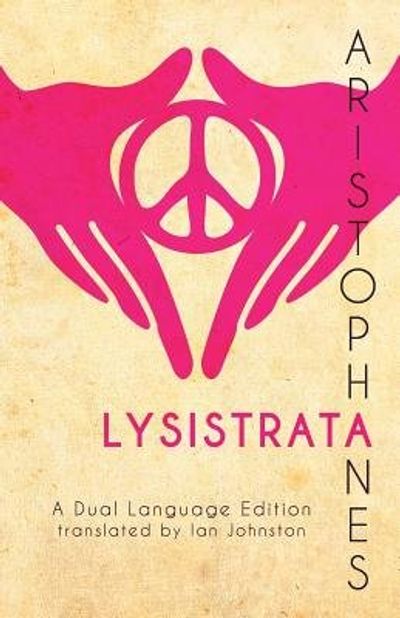
The oldest sex strike in history. Still works.
✦ READ – REFLECT → RESIST
For the family bookshelf
Same idea, written for a younger reader. Good for reading together.
A Different Pond
Bao Phi
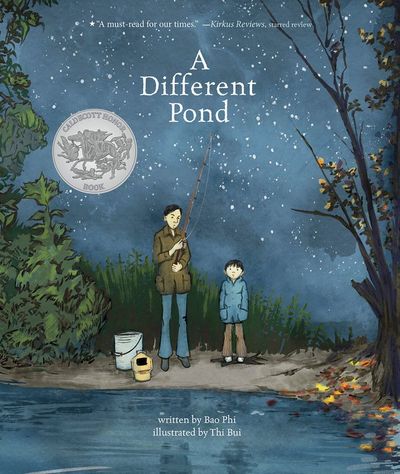
A refugee dad, a fishing pole, and 4 a.m.
✦ READ – REFLECT → RESIST
Amal Unbound
Aisha Saeed
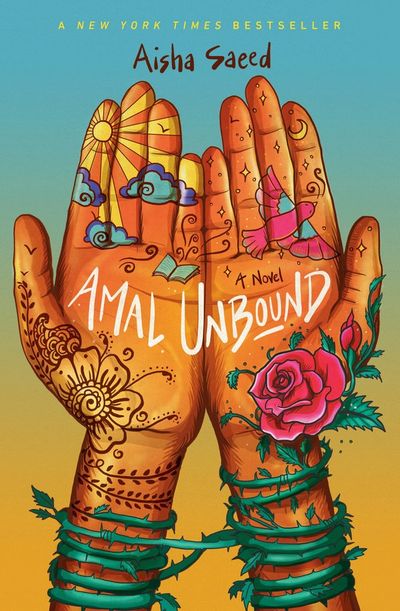
The debt wasn't hers. The cage is.
✦ READ – REFLECT → RESIST
Amina's Voice
Hena Khan
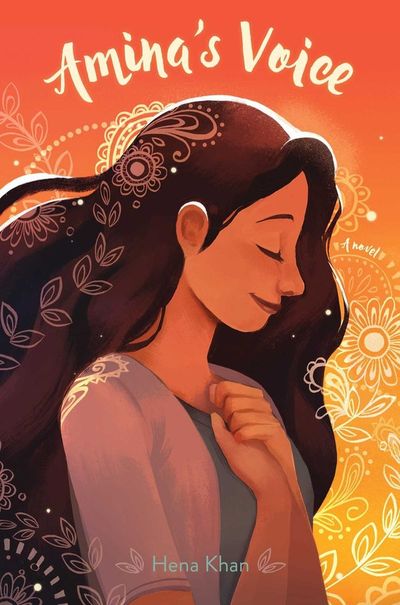
A shy girl sings out after her mosque is attacked.
✦ READ – REFLECT → RESIST
Big Red Lollipop
Rukhsana Khan

A big sister, a birthday party, and who gets included.
✦ READ – REFLECT → RESIST