
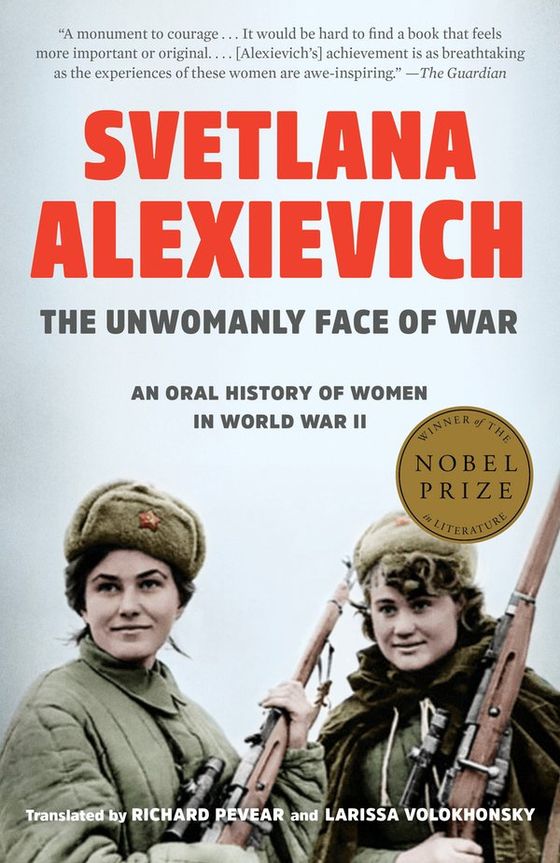
The Unwomanly Face of War: An Oral History of Women in World War II
by Svetlana Alexievich
The war Soviet women fought, then were told to forget.
For you if
you want the war story the monuments left out.
⚡ Choose Your Route ⚡
Not sold directly on this site. Support indie bookstores with a new copy, or go sustainable with a used one.
Buy New on Bookshop.orgSupports independent bookstores
— OR —
Find Used on Better World BooksSecondhand & sustainable
$19 MSRP · Paperback
Reference price shown. Other editions may be available.
Alexievich spent years interviewing Soviet women who fought in World War II as snipers, pilots, nurses and tank drivers, and then came home to a country that didn't want to hear how it really went. They talk about the smell of the dead, hair turning gray, and being told to hide their medals. It's the war told by the people the official version edited out.
Where This Book Lives
- Setting
- Eastern Europe
- Voice
- Written by an Eastern Europe author
- Topics
- world war ii
Alexievich won the Nobel Prize in 2015, and the Soviet censors held this book up for two years. She edits and shapes her interviews heavily, which she is open about, so read it as an oral history crafted as literature. Close relative: Secondhand Time, which is already in the catalog.
Related Viewing
Shares a topic, theme, or setting with this book in the catalog.
Hearts and Minds(1974)
dir. Peter Davis
Same themes: Propaganda, War and Atrocity
Vietnam, in the words of those who waged it.
A documentary about the American war in Vietnam, made while the war was still being fought. Davis intercuts interviews with generals, officials, pilots, veterans, grieving Vietnamese families and ordinary Americans, setting the language of policy against what that policy did on the ground and at home.
Why it’s here: The punk move is the editing: Davis lets the war's architects talk at length, then cuts their words against a funeral, a bombed village or a cheering football crowd, and trusts the audience to feel the gap. The pedagogy is in how the film teaches viewers to hear the language of power, euphemism and abstraction included, while looking at what it covers up. Worth knowing that the juxtaposition is the argument, and General Westmoreland and others objected that their words were framed unfairly, so watch it as a persuasive documentary, not a neutral record.
Where to watch: Criterion Channel, HBO MaxLetterboxd ↗
Hotel Rwanda(2004)
dir. Terry George
Same themes: Propaganda, War and Atrocity
A hotel manager shelters a thousand from genocide.
In 1994, Paul Rusesabagina, the manager of a luxury hotel in Kigali, shelters more than a thousand Tutsi and moderate Hutu refugees while militias kill outside and the UN pulls back. The film follows him as he bribes, bluffs and begs to keep them alive. Terry George directs, and Don Cheadle earned an Oscar nomination for the lead.
Why it’s here: The film puts a viewer inside what it means to ask for help and be left alone. What's pedagogical is how clearly it names the radio propaganda and the foreign officials who knew. Note: it's a dramatization, and Rusesabagina's role has been disputed by some survivors, so watch it with the book Gourevitch (suggested 10/23) and a Rwandan voice.
Where to watch: Free on Kanopy, Hoopla, Roku Channel, Fandango at Home; rent $3.99 (JustWatch US)Letterboxd ↗
Same event, different angle
The same history — told by someone who saw it differently.
Ordinary Men: Reserve Police Battalion 101 and the Final Solution in Poland
Christopher R. Browning
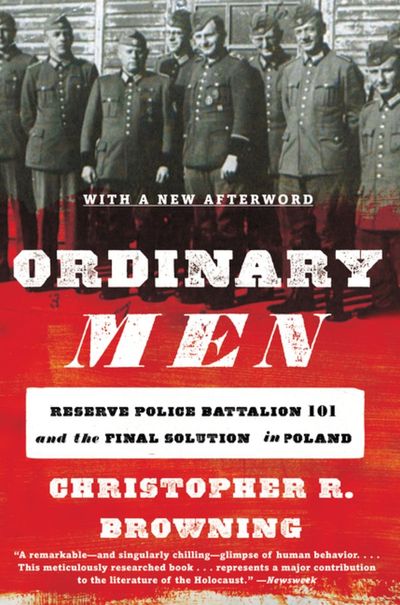
How regular men became mass killers.
✦ READ – REFLECT → RESIST
Slaughterhouse-Five
Kurt Vonnegut
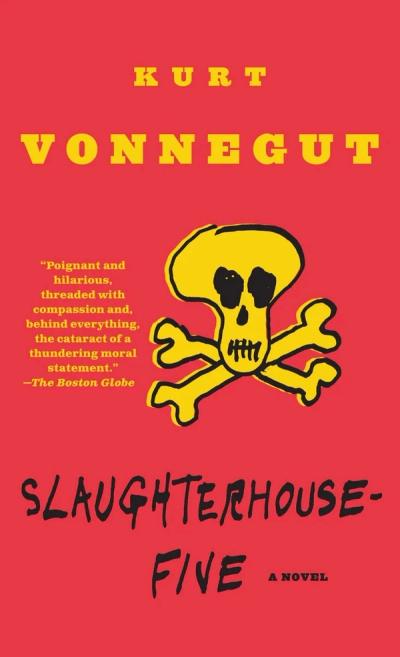
Trauma, time travel, and tinfoil hats.
✦ READ – REFLECT → RESIST
Catch-22
Joseph Heller
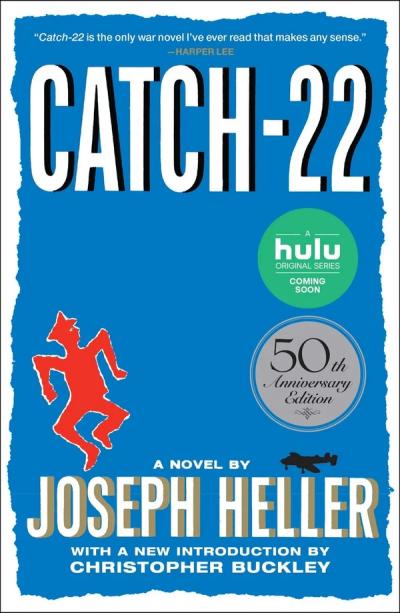
War’s dumbest logic, perfectly told.
✦ READ – REFLECT → RESIST
The Tin Drum
Günter Grass
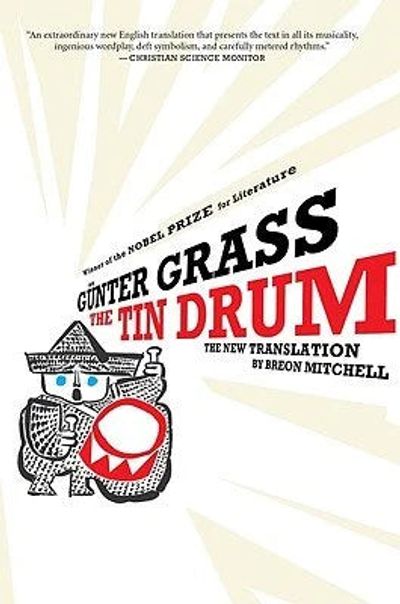
At three, he stops growing and drums at adult lies.
✦ READ – REFLECT → RESIST
Same pattern, different era
Different time, different place. The same thing keeps happening.
A Peace to End All Peace: The Fall of the Ottoman Empire and the Creation of the Modern Middle East
David Fromkin
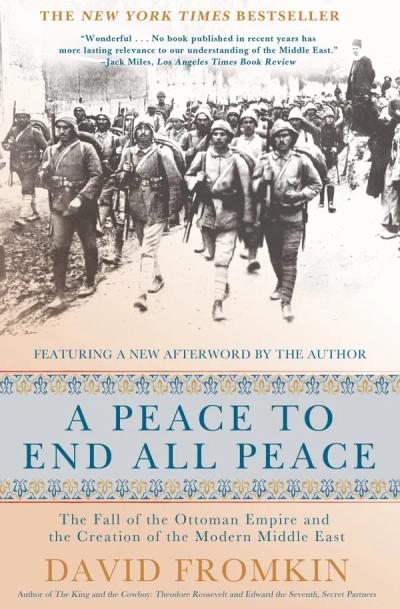
The deals that drew the Middle East in a hurry.
✦ READ – REFLECT → RESIST
Anger Is a Gift
Mark Oshiro

The anger you've been told to put down.
✦ READ – REFLECT → RESIST
Culture and Imperialism
Edward Said
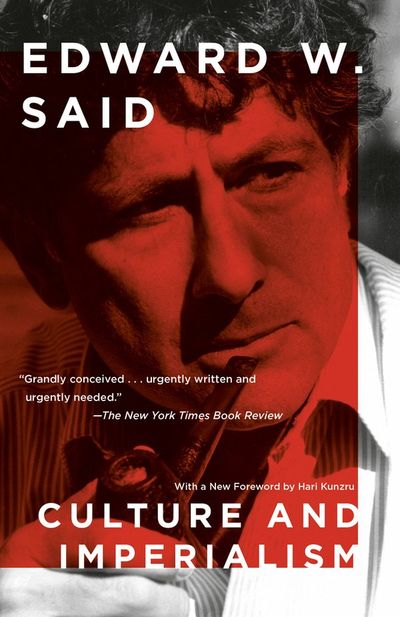
How novels made empire feel normal.
✦ READ – REFLECT → RESIST
Empire of Cotton: A Global History
Sven Beckert
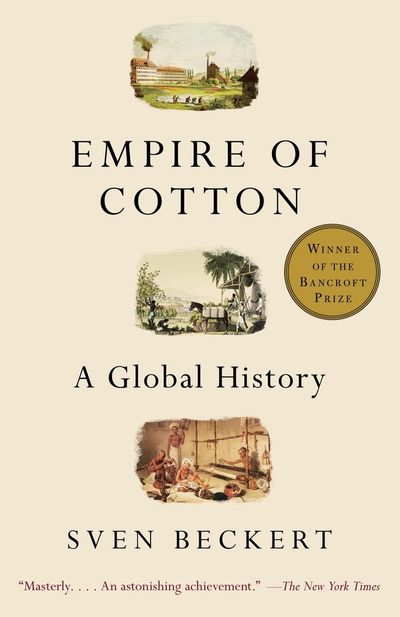
The T-shirt that built capitalism.
✦ READ – REFLECT → RESIST
For the family bookshelf
Same idea, written for a younger reader. Good for reading together.
Ghost Boys
Jewell Parker Rhodes
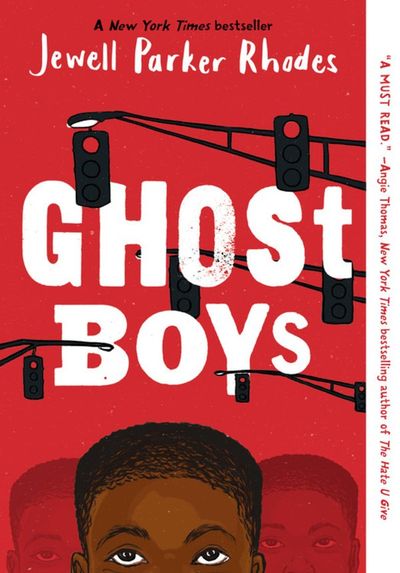
A boy killed by police tells it himself.
✦ READ – REFLECT → RESIST
Salt to the Sea
Ruta Sepetys
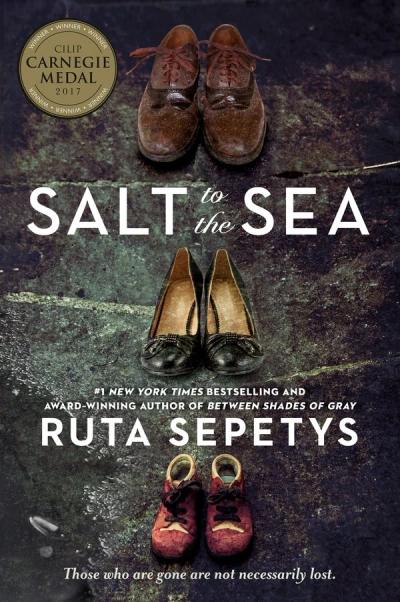
Four teens, one ship, history's deadliest sinking.
✦ READ – REFLECT → RESIST
Each Little Bird That Sings
Deborah Wiles

She grew up in a funeral home. She thought she understood death.
✦ READ – REFLECT → RESIST
I'll Give You the Sun
Jandy Nelson
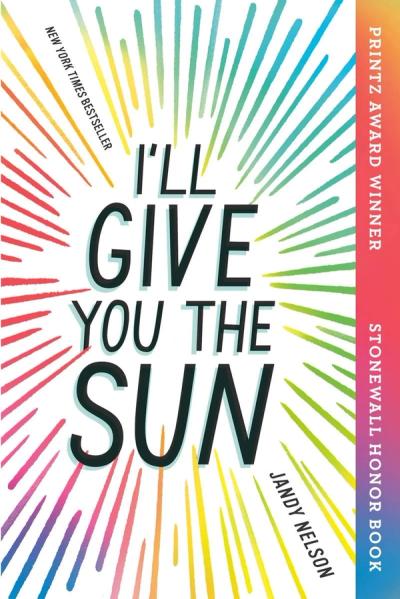
Twins. Three years. Something broke them apart. Both of them tell it.
✦ READ – REFLECT → RESIST