
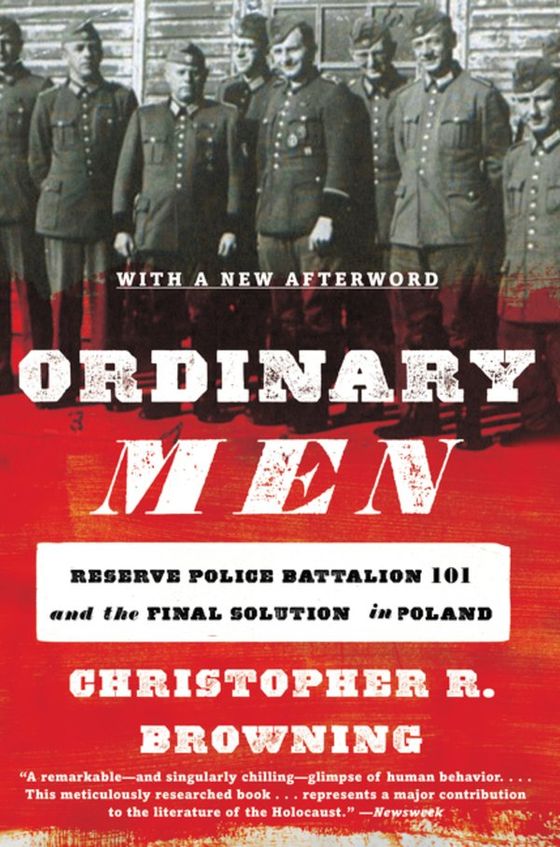
Ordinary Men: Reserve Police Battalion 101 and the Final Solution in Poland
by Christopher R. Browning
How regular men became mass killers.
For you if
you've wondered how ordinary people go along with the unthinkable.
⚡ Choose Your Route ⚡
Not sold directly on this site. Support indie bookstores with a new copy, or go sustainable with a used one.
Buy New on Bookshop.orgSupports independent bookstores
— OR —
Find Used on Better World BooksSecondhand & sustainable
$18 MSRP · Paperback
Reference price shown. Other editions may be available.
In 1942 a unit of middle-aged German reservists, mostly working-class men from Hamburg, was sent to Poland and told to shoot Jewish civilians. Browning works from the trial records to ask the question nobody wants to answer: when given a chance to step out, why did most of them keep killing? This is the book that makes obedience, peer pressure and routine feel more frightening than monsters ever could.
Where This Book Lives
Pass with note: the content is relentless and graphic, and it's scholarly, not narrative. Daniel Goldhagen's Hitler's Willing Executioners argued the opposite, that ideological antisemitism did most of the work; Browning's reply is worth reading. The catalog is thin on the mechanics of atrocity, and this is the standard text.
Related Viewing
Shares a topic, theme, or setting with this book in the catalog.

Hannah Arendt(2012)
dir. Margarethe von Trotta
Same events: Nazi Germany, The Holocaust · Same theme: Ordinary People and Evil
A thinker pays for saying the unpopular thing.
Margarethe von Trotta's biopic follows the philosopher Hannah Arendt (Barbara Sukowa) from 1961, when she travels to Jerusalem to cover Adolf Eichmann's trial for The New Yorker, through the storm that followed her reports and her 1963 book Eichmann in Jerusalem. It is a talky period drama about a thinker working out an idea in public, and what it costs her with the friends and the community she belongs to.
Why it’s here: Most films about thinking make it look like a montage. This one lets it look like what it is: a woman in a chair, smoking, staring at a wall, trying to work out how an ordinary man ended up running a machine of murder. What's punk is what happens next. Arendt refuses to write the grief her community expects, publishes anyway, and loses friends over it. What's pedagogical is that the real trial footage of Eichmann is in the film, so you watch him talk and decide for yourself. Her argument is still contested, and some historians have since argued Eichmann was more committed to the ideology than she allowed, which makes it a better thing to watch, not a worse one.
Where to watch: Free on Kanopy, Hoopla; rent on Apple TVLetterboxd ↗
Jojo Rabbit(2019)
dir. Taika Waititi
Same events: Nazi Germany, The Holocaust · Same theme: Dehumanization
A Hitler Youth kid and his very silly imaginary Hitler.
Germany, near the end of World War II. Ten-year-old Jojo is a devoted Hitler Youth recruit whose imaginary best friend is a goofy version of Adolf Hitler. Then he discovers his mother is hiding a Jewish girl, Elsa, in the walls of their house, and everything he has been taught starts to collide with the person in front of him.
Why it’s here: The punk move is the nerve: Waititi mocks Nazism with slapstick and a ridiculous imaginary Hitler, then keeps turning the screw until the joke stops being funny. The pedagogy is in how it shows indoctrination from the inside. Jojo is a kid absorbing propaganda, pageantry and belonging, and the film shows how easily that happens and how a real person can break the spell. It is a satire, not a history lesson, and some viewers find the comedy too soft on the Holocaust; the film's answer is that ridicule is a way of denying the movement its dignity, not the suffering its weight. Waititi, who is Māori and Jewish, plays the fantasy Hitler himself. Best for teens and up.
Where to watch: Rent on Amazon, Apple TVLetterboxd ↗
Same event, different angle
The same history — told by someone who saw it differently.
Aké: The Years of Childhood
Wole Soyinka
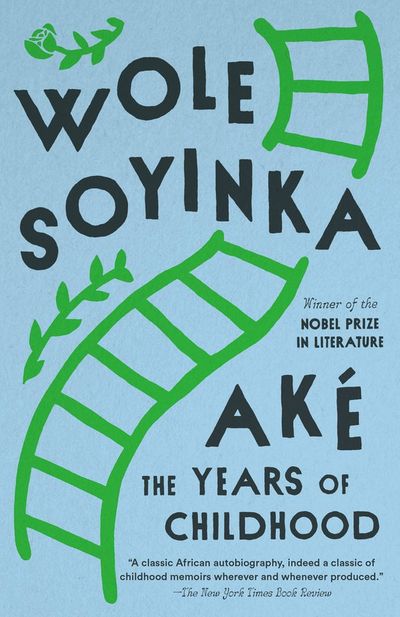
A colonial childhood, one question at a time.
✦ READ – REFLECT → RESIST
Barefoot Gen, Vol. 1: A Cartoon Story of Hiroshima
Keiji Nakazawa

Hiroshima, drawn by a child who lived it.
✦ READ – REFLECT → RESIST
The Complete Maus: A Survivor's Tale
Art Spiegelman

The only comic to win the Pulitzer. Banned anyway.
✦ READ – REFLECT → RESIST
Different Seasons
Stephen King
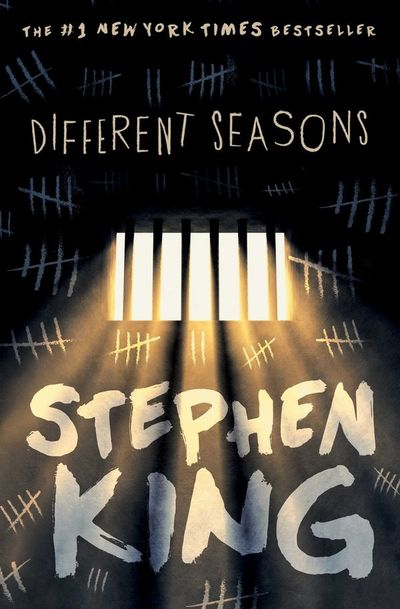
How fascism finds the boy next door.
✦ READ – REFLECT → RESIST
Same pattern, different era
Different time, different place. The same thing keeps happening.
Capitalism and Slavery
Eric Williams
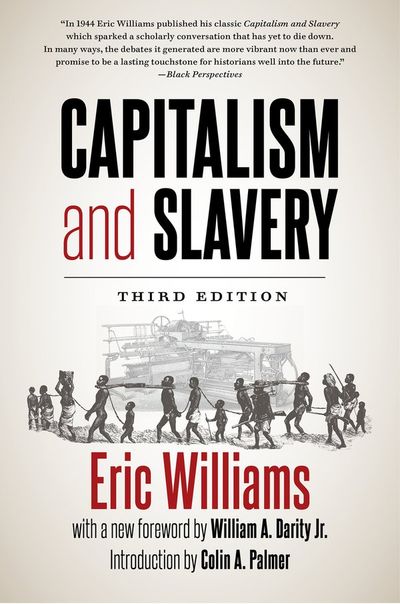
Slavery didn't fund empire. Slavery WAS empire.
✦ READ – REFLECT → RESIST
The Complete Maus: A Survivor's Tale
Art Spiegelman
The only comic to win the Pulitzer. Banned anyway.
✦ READ – REFLECT → RESIST
Different Seasons
Stephen King
How fascism finds the boy next door.
✦ READ – REFLECT → RESIST
Empire of Pain
Patrick Radden Keefe
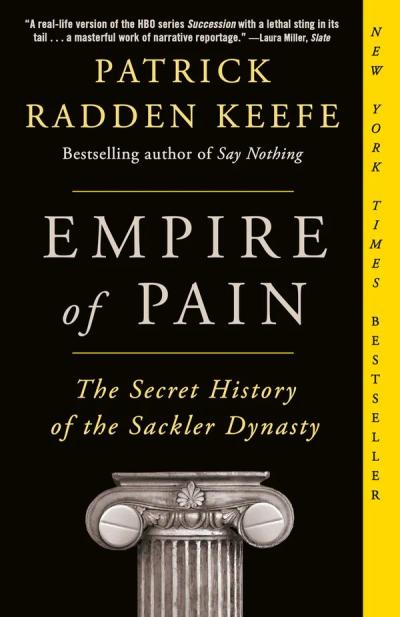
Philanthropy as cover. Addiction as business model.
✦ READ – REFLECT → RESIST
For the family bookshelf
Same idea, written for a younger reader. Good for reading together.
The Big Orange Splot
Daniel Pinkwater
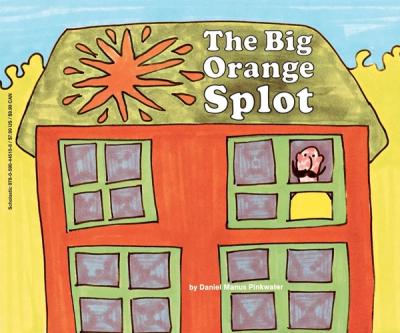
A seagull drops paint on his roof. He decides to go with it.
✦ READ – REFLECT → RESIST
The Giver
Lois Lowry
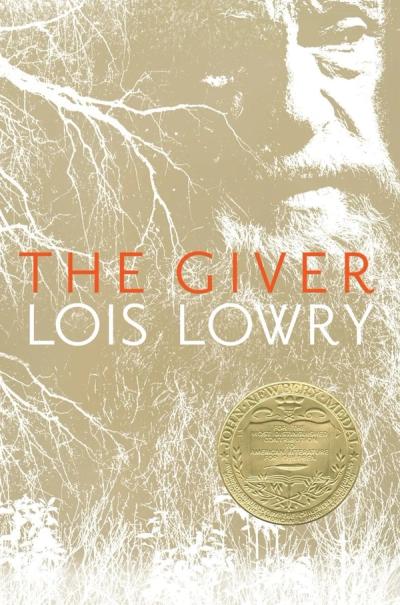
Memory is what they banned. He got it anyway.
✦ READ – REFLECT → RESIST
Number the Stars
Lois Lowry
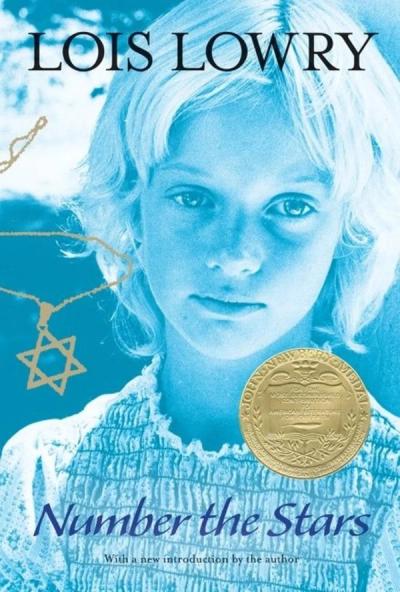
The Nazis are rounding up Jews. Her family hides her best friend.
✦ READ – REFLECT → RESIST
The Book Thief
Markus Zusak
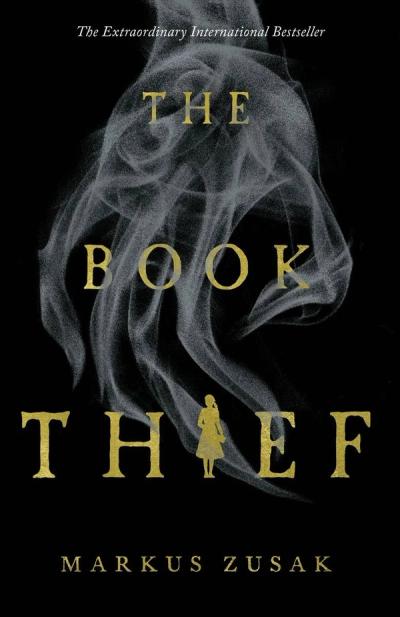
Nazi Germany. A girl steals books. Death is watching.
✦ READ – REFLECT → RESIST