
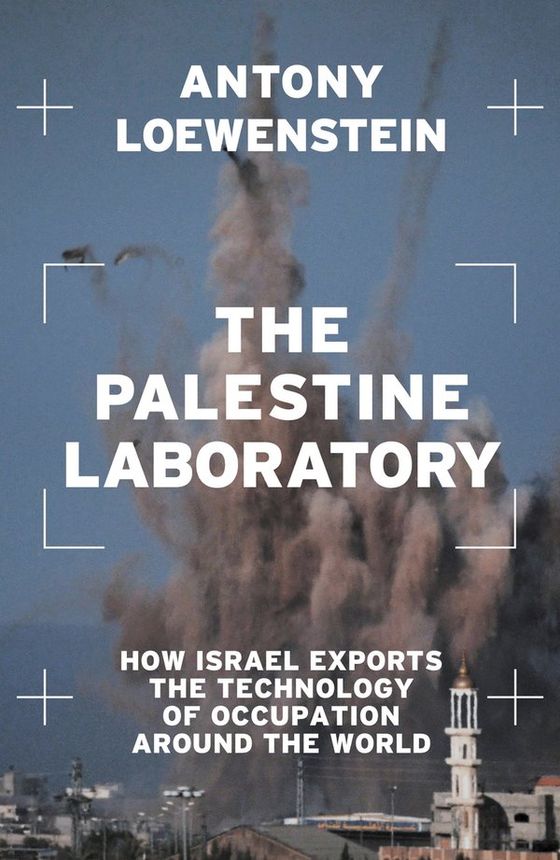
The Palestine Laboratory: How Israel Exports the Technology of Occupation Around the World
by Antony Loewenstein
Occupation as a product line, sold worldwide.
For you if
you want to know who profits when surveillance gets tested on a captive people.
⚡ Choose Your Route ⚡
Not sold directly on this site. Support indie bookstores with a new copy, or go sustainable with a used one.
Buy New on Bookshop.orgSupports independent bookstores
— OR —
Find Used on Better World BooksSecondhand & sustainable
$20 MSRP · Paperback
Reference price shown. Other editions may be available.
Loewenstein, an Australian-Jewish journalist, follows how surveillance tools, drones, spyware and crowd-control weapons tested on Palestinians are sold to governments around the world, from Myanmar to Brazil to the United States. The argument is that the occupation is not only a local tragedy but also a showroom, and that the people who buy its gear get a lesson in how to rule people who cannot vote. It is a reported, angry and heavily footnoted book about who profits from permanent conflict.
Where This Book Lives
- Setting
- Palestine • Middle East
- Voice
- An outside perspective on Palestine
- Topics
- colonialism
Pass with note. Openly critical of Israel and partisan by design, and some of its claims about individual sales are contested by Israeli officials and companies; read it alongside other accounts. Loewenstein has no documented concerns. Palestine bundle tie. Close relatives: The Hundred Years' War on Palestine, The Ethnic Cleansing of Palestine, Data and Goliath and The Jakarta Method.
Related Viewing
Shares a topic or setting with this book, or several of its themes.
The Gatekeepers(2012)
dir. Dror Moreh
Same countries: Israel, Palestine · Same themes: Complicity, State Violence
Six ex-spy chiefs on what the occupation cost.
Six former heads of Shin Bet, Israel's internal security service, sit down on camera for the first time and talk about what they did and what they came to think of it. They discuss targeted killings, interrogation, the occupied territories and the 1995 assassination of Yitzhak Rabin. Moreh lets the men speak, mixing their testimony with archive footage and animation, and the result is a document of surprisingly critical hindsight from the people who ran the machine.
Why it’s here: It's a film about the people who did the work questioning the work. What's punk is the shock of insiders breaking ranks, saying the system wins tactical battles and loses the strategic war. What's pedagogical is that it shows how a security state thinks about itself, and why a pattern of short-term wins can undercut long-term safety. Note: Israeli-made and Israeli voices only; no Palestinian speakers appear, so it must be paired with Palestinian perspectives. Some of the men's comments about interrogation are troubling and the film does not fully answer them. Companion to The Iron Wall and Three Worlds in the catalog and a tie to the Palestine bundle. Hebrew, with subtitles.
Where to watch: Rent $3.99 on Amazon Video, Apple TV, Fandango At Home; buy $12.99-14.99; no subscription or free option found (JustWatch US, checked 2026-10-31). Verify.Letterboxd ↗

Exterminate All the Brutes(2021)
dir. Raoul Peck
Same event: Colonialism · Same theme: War and Atrocity
Four hours of the colonial story, unsoftened.
A four-part essay-series by the director of I Am Not Your Negro, following the sentence that Conrad's Kurtz wrote on his report in Heart of Darkness. Peck narrates a history of colonialism, genocide and white supremacy from Columbus to the American West to the Congo, mixing archive footage, animation and staged scenes. It is the story the textbooks soften.
Why it’s here: The series connects things the curriculum keeps apart: colonial violence, slavery, the Holocaust, and the ideas that justified each. What's punk is the refusal of the neutral tone, and the fact that it names the thread. What's pedagogical is that it can be paused, discussed and argued with. Pairs with Discourse on Colonialism, Orientalism and King Leopold's Ghost. Note: it is long, essayistic and dense, and some critics call its sweep too broad.
Where to watch: Hulu (HBO original, 4 episodes, per Hulu series page); verify current US availabilityLetterboxd ↗
Same event, different angle
The same history — told by someone who saw it differently.
Beauty Is a Wound
Eka Kurniawan
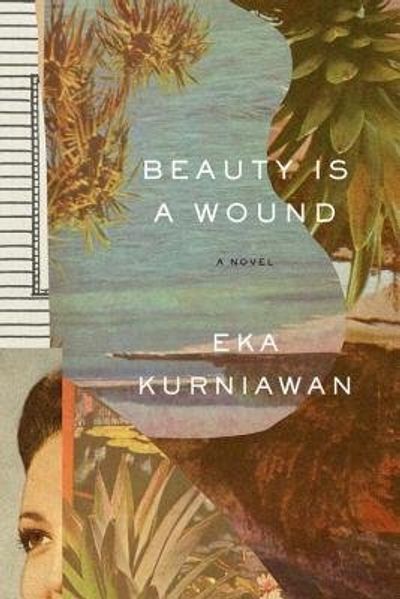
Indonesia's century, told by a woman back from death.
✦ READ – REFLECT → RESIST
The Bridge on the Drina
Ivo Andrić
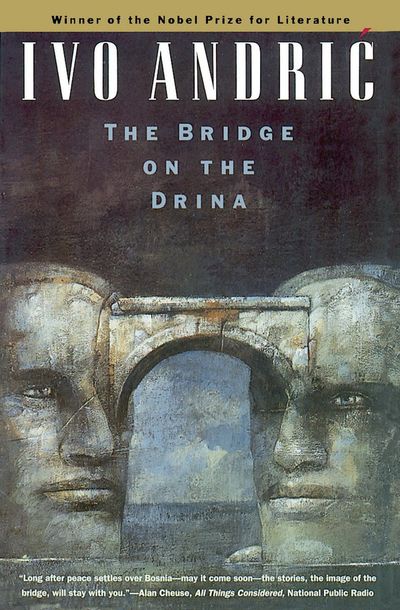
The bridge outlasted them all. Almost.
✦ READ – REFLECT → RESIST
Cities of Salt
Abdelrahman Munif
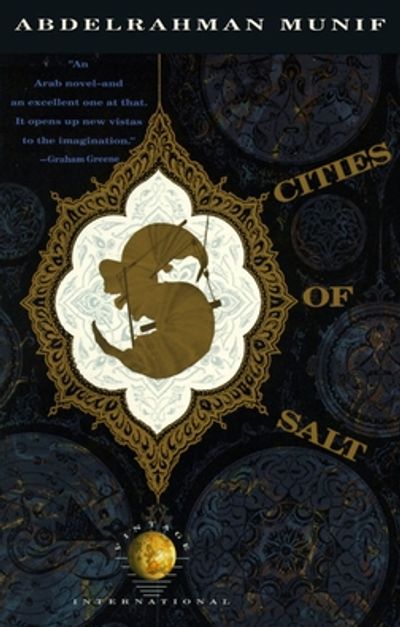
Oil arrives. The oasis does not survive.
✦ READ – REFLECT → RESIST
Gulliver's Travels
Jonathan Swift

Swift's mean, necessary joke about rulers.
✦ READ – REFLECT → RESIST
Same pattern, different era
Different time, different place. The same thing keeps happening.
Abolition. Feminism. Now.
Angela Y. Davis, Gina Dent, Erica R. Meiners & Beth E. Richie
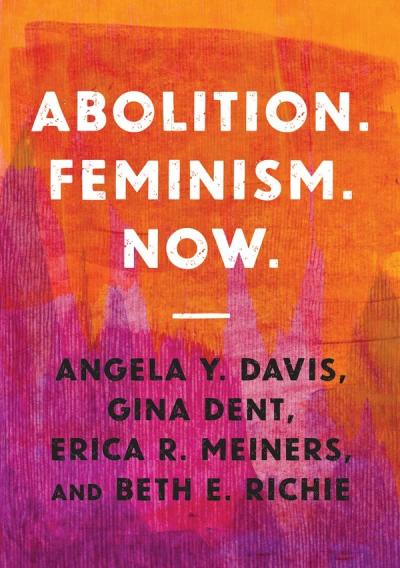
Safety without cages, built by feminists.
✦ READ – REFLECT → RESIST
Beauty Is a Wound
Eka Kurniawan
Indonesia's century, told by a woman back from death.
✦ READ – REFLECT → RESIST
Cities of Salt
Abdelrahman Munif
Oil arrives. The oasis does not survive.
✦ READ – REFLECT → RESIST
Different Seasons
Stephen King
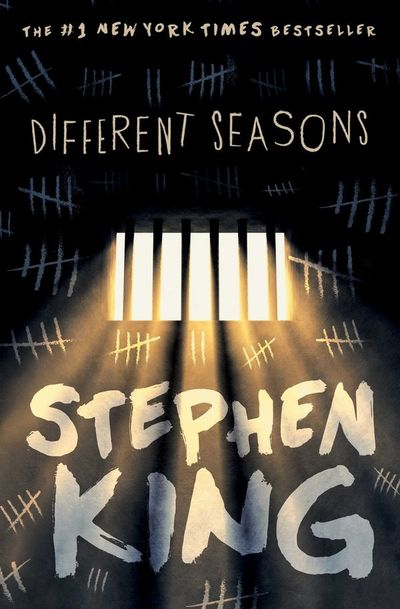
How fascism finds the boy next door.
✦ READ – REFLECT → RESIST
Flip the lens
Same country. Now hear it from the other side.
The Ethnic Cleansing of Palestine
Ilan Pappé
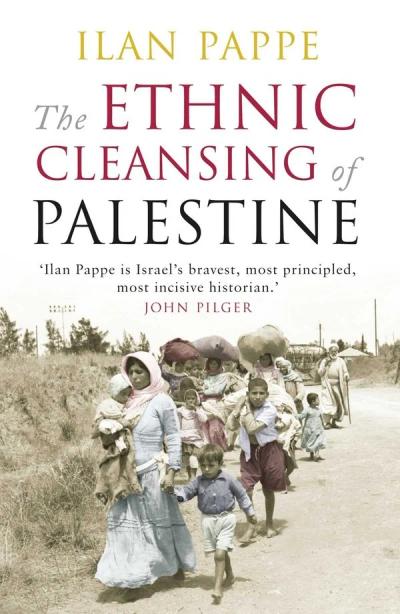
Plan Dalet. Village by village.
✦ READ – REFLECT → RESIST
Minor Detail
Adania Shibli
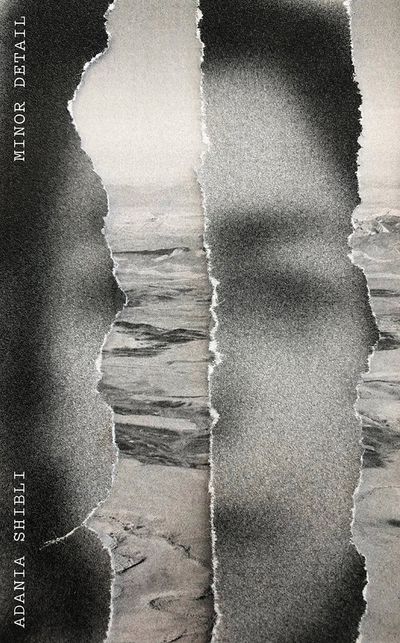
A crime, a checkpoint, a date that won't stay buried.
✦ READ – REFLECT → RESIST
Mornings in Jenin
Susan Abulhawa
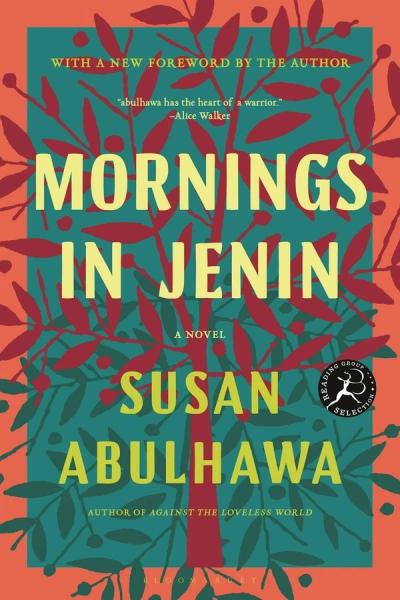
A Palestinian family. Four generations of loss.
✦ READ – REFLECT → RESIST
To the End of the Land
David Grossman
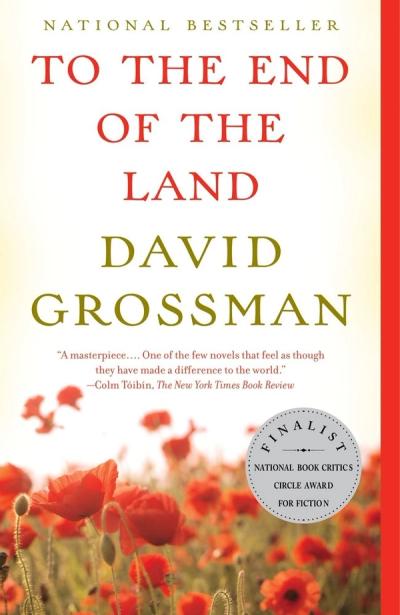
A mother walks Israel to avoid the news of her son.
✦ READ – REFLECT → RESIST
For the family bookshelf
Same idea, written for a younger reader. Good for reading together.
Between Shades of Gray
Ruta Sepetys
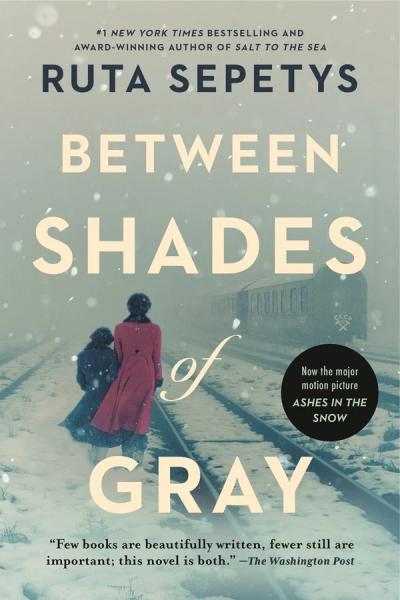
A Lithuanian teen draws her way through Siberia.
✦ READ – REFLECT → RESIST
Elatsoe
Darcie Little Badger
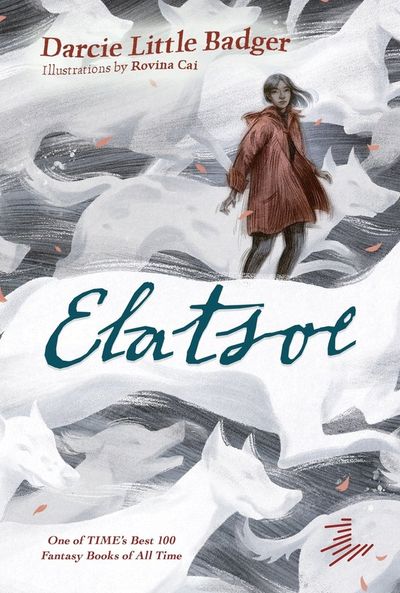
A Lipan Apache teen, her ghost dog, a cold case.
✦ READ – REFLECT → RESIST
Pax
Sara Pennypacker

A boy, a fox, and a war neither started.
✦ READ – REFLECT → RESIST
Sadako and the Thousand Paper Cranes
Eleanor Coerr

A girl folds paper cranes after Hiroshima.
✦ READ – REFLECT → RESIST