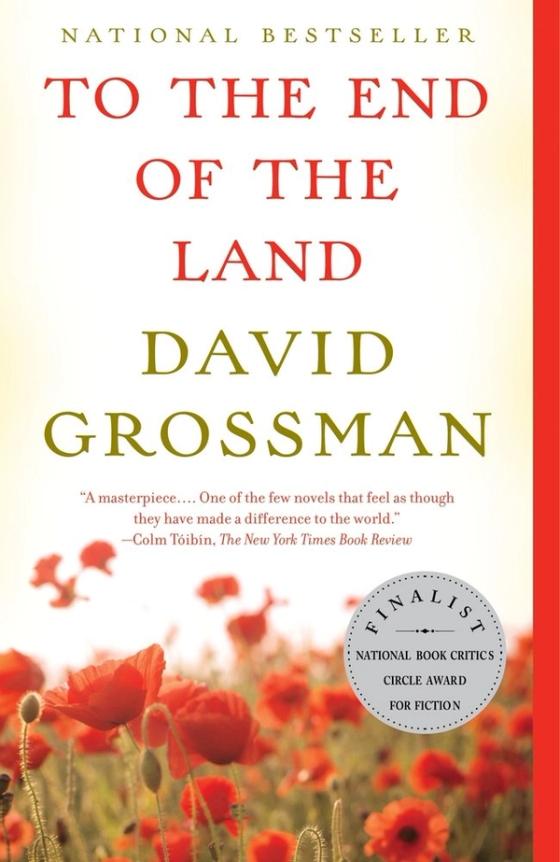
To the End of the Land
by David Grossman
A mother walks Israel to avoid the news of her son.
For you if
you want to understand what the Israeli-Palestinian conflict costs the people living inside it on both sides
⚡ Choose Your Route ⚡
Not sold directly on this site. Support indie bookstores with a new copy, or go sustainable with a used one.
Buy New on Bookshop.orgSupports independent bookstores
— OR —
Find Used on Better World BooksSecondhand & sustainable
$19 MSRP
Reference price shown. Other editions may be available.
Ora's son is about to finish his military service when he volunteers for another operation. Terrified of receiving the notification of his death, she leaves home — so the army messengers can't find her — and walks through the Galilee with her ex-lover, telling him everything she remembers about her son. Grossman wrote most of this novel while his own son was serving in the IDF. His son was killed in Lebanon during the final weeks of writing. The most devastating Israeli dispatch ever written. Honest in a way that required everything.
Where This Book Lives
- Setting
- Israel • Middle East
- Voice
- Written by a Israeli author
- Themes
- grief and lossmotherhood
Related Viewing
Shares a topic, theme, or setting with this book in the catalog.
5 Broken Cameras(2011)
dir. Emad Burnat & Guy Davidi
Five cameras destroyed. Every one kept filming.
A Palestinian farmer in Bil'in documents his village's nonviolent resistance to encroaching Israeli settlements over five years, structured around each of his cameras' destruction.
Why it’s here: Shot almost entirely by a Palestinian farmer with no filmmaking background, on cameras that kept getting destroyed and kept getting replaced — testimony in the most literal sense, edited (not directed) into shape by an Israeli co-director after the fact.
Never Let Me Go(2010)
dir. Mark Romanek
Raised for a purpose they never chose.
Three friends grow up together at an idyllic English boarding school, slowly coming to understand — and largely accept — the specific, limited purpose their lives were engineered to serve. Adapted from Kazuo Ishiguro's novel.
Why it’s here: Punk in its quiet, devastating restraint — no uprising, no escape plot, just people trained from childhood not to fight their fate. Pedagogical in showing how a society justifies using some lives for others' benefit, one small acceptance at a time.
Same event, different angle
The same history — told by someone who saw it differently.
Anti-Zionism: A Jewish History
Benjamin Moser

The Jewish tradition they tried to bury.
✦ READ – REFLECT → RESIST
Mornings in Jenin
Susan Abulhawa
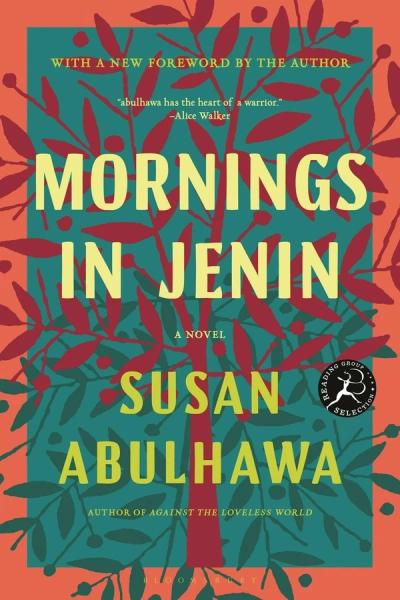
A Palestinian family. Four generations of loss.
✦ READ – REFLECT → RESIST
The Cauldron: The Making of the Modern Middle East
Simon Sebag Montefiore
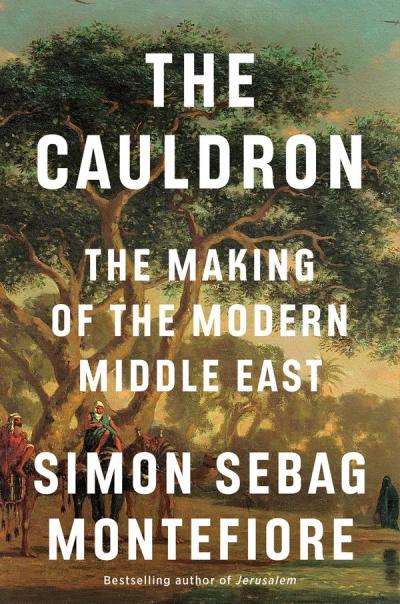
125 years that explain what you're watching now.
✦ READ – REFLECT → RESIST
They Told Me Back Home Would Be Beautiful: A Palestinian Memoir
Elena Dudum
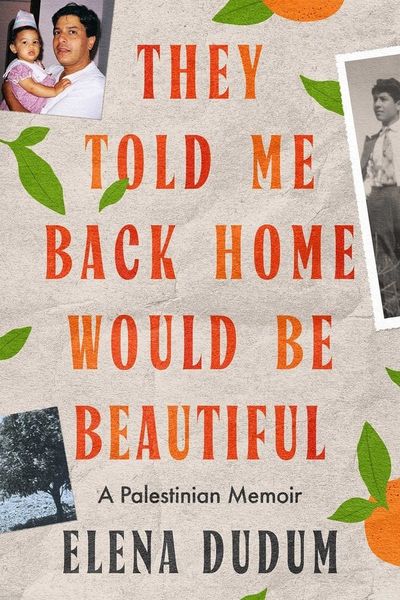
The inheritance she spent years running from.
✦ READ – REFLECT → RESIST
Same pattern, different era
Different time, different place. The same thing keeps happening.
milk and honey
Rupi Kaur
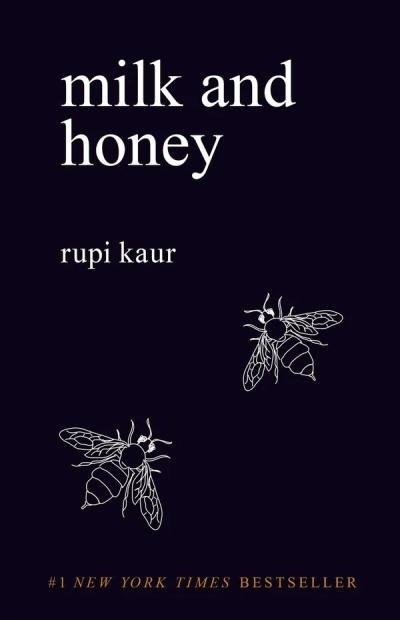
The poems that gave survivors their words.
✦ READ – REFLECT → RESIST
Nineteen Minutes
Jodi Picoult
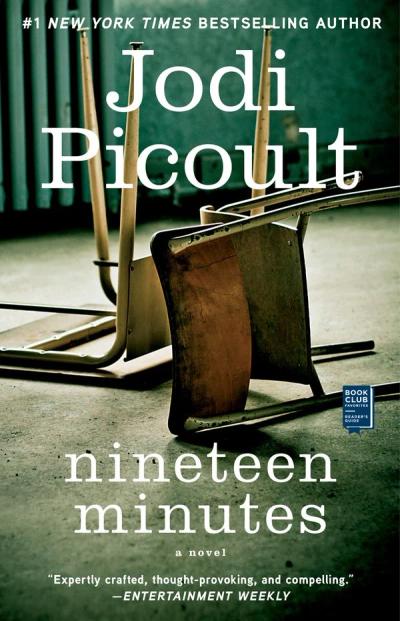
The novel that asks who made the shooter.
✦ READ – REFLECT → RESIST
I Must Say
Martin Short
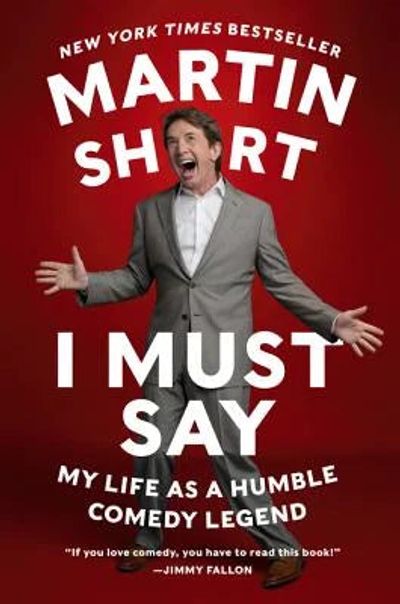
Martin Short: chaos in a bow tie.
✦ READ – REFLECT → RESIST
M Train
Patti Smith
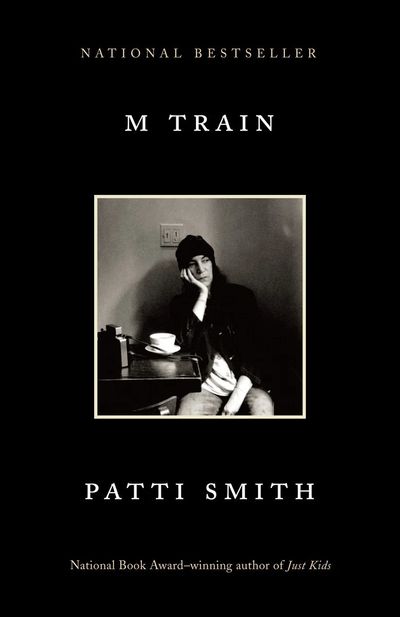
A love letter to lost time and black coffee.
✦ READ – REFLECT → RESIST
For the family bookshelf
Same idea, written for a younger reader. Good for reading together.
Each Little Bird That Sings
Deborah Wiles

She grew up in a funeral home. She thought she understood death.
✦ READ – REFLECT → RESIST
I'll Give You the Sun
Jandy Nelson

Twins. Three years. Something broke them apart. Both of them tell it.
✦ READ – REFLECT → RESIST
The Astonishing Color of After
Emily X.R. Pan
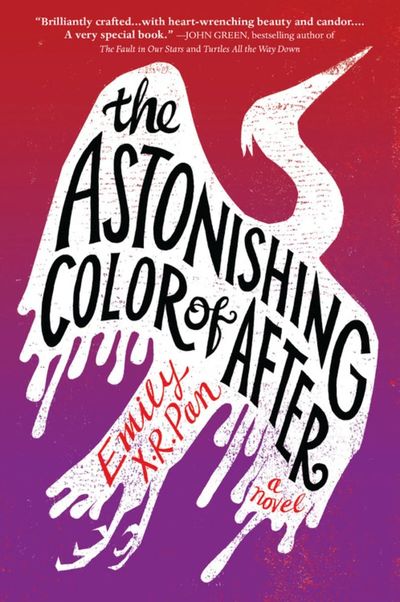
Her mother died. She became a bird. Leigh goes to Taiwan to find her.
✦ READ – REFLECT → RESIST
Habibi
Naomi Shihab Nye
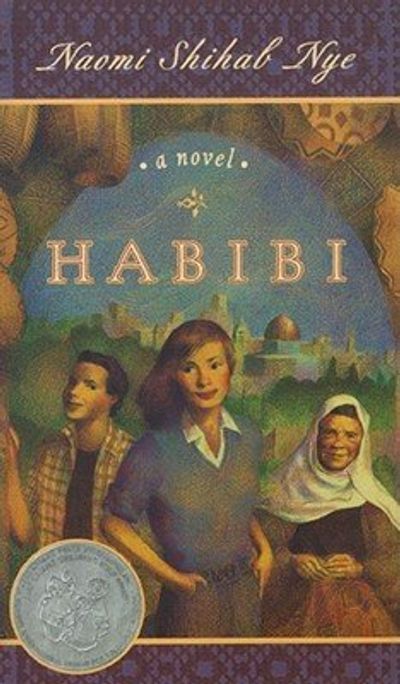
A Palestinian American girl moves to Jerusalem. Falls for a Jewish boy.
✦ READ – REFLECT → RESIST