
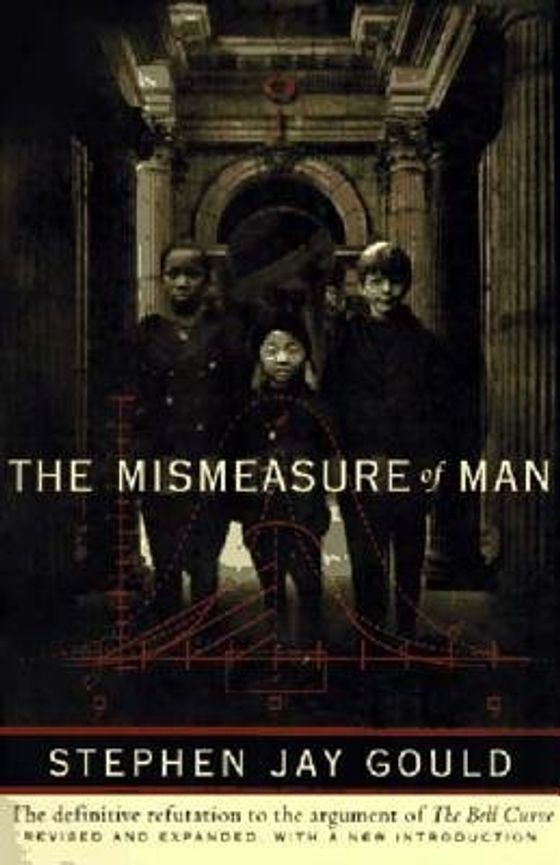
The Mismeasure of Man
by Stephen Jay Gould
Scientific racism, caught with its thumb on the scale.
For you if
you were ever sorted by a test and told it was just math.
⚡ Choose Your Route ⚡
Not sold directly on this site. Support indie bookstores with a new copy, or go sustainable with a used one.
Buy New on Bookshop.orgSupports independent bookstores
— OR —
Find Used on Better World BooksSecondhand & sustainable
$20 MSRP · Paperback
Reference price shown. Other editions may be available.
Gould goes back to the skull-measurers and IQ-testers who tried to prove, with numbers, that some people were born to rule and others to serve. He re-reads their data and finds the conclusion was in the ruler. A history of how science gets used to launder prejudice into fact, and why a number can feel more true than a person.
Where This Book Lives
- Topics
- colonialism
Pass with note. Gould's re-analysis of Samuel Morton's skull data has itself been challenged by later researchers, and the 1996 edition answers some critics. Read it as a history of an argument and not the last word on it. Fills a gap on science and the ideology of hierarchy. Close relatives: Caste, Killing the Black Body and Weapons of Math Destruction (suggested 10-26).
Related Viewing
Shares a topic, theme, or setting with this book in the catalog.

Exterminate All the Brutes(2021)
dir. Raoul Peck
Same event: Colonialism · Same themes: Propaganda, Race and Identity
Four hours of the colonial story, unsoftened.
A four-part essay-series by the director of I Am Not Your Negro, following the sentence that Conrad's Kurtz wrote on his report in Heart of Darkness. Peck narrates a history of colonialism, genocide and white supremacy from Columbus to the American West to the Congo, mixing archive footage, animation and staged scenes. It is the story the textbooks soften.
Why it’s here: The series connects things the curriculum keeps apart: colonial violence, slavery, the Holocaust, and the ideas that justified each. What's punk is the refusal of the neutral tone, and the fact that it names the thread. What's pedagogical is that it can be paused, discussed and argued with. Pairs with Discourse on Colonialism, Orientalism and King Leopold's Ghost. Note: it is long, essayistic and dense, and some critics call its sweep too broad.
Where to watch: Hulu (HBO original, 4 episodes, per Hulu series page); verify current US availabilityLetterboxd ↗
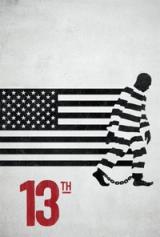
13th(2016)
dir. Ava DuVernay
Same themes: Racial Injustice, Structural Violence
The 13th Amendment's loophole built a prison nation.
Ava DuVernay's documentary traces one clause of the 13th Amendment, which abolished slavery except as punishment for a crime, from Reconstruction convict leasing through Jim Crow, the War on Drugs and the modern prison boom. Historians, activists and politicians make the case that mass incarceration is slavery's afterlife by another legal name.
Why it’s here: The punk move is the thesis itself: it reads the Constitution's own text as the loophole and then follows the money and the rhetoric, including footage of the politicians who built the machine, straight to the present. The pedagogy is in the method. It teaches a viewer to trace a single policy lever across 150 years instead of treating each era as a separate story, which is a transferable habit of mind. Worth knowing that some historians argue its straight line from slavery to prisons flattens a more tangled history, so watch it as a forceful argument rather than a settled account.
Where to watch: Streaming on NetflixLetterboxd ↗
Same event, different angle
The same history — told by someone who saw it differently.
Beauty Is a Wound
Eka Kurniawan
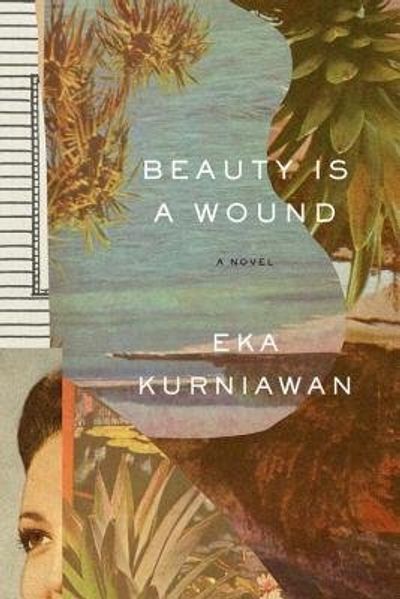
Indonesia's century, told by a woman back from death.
✦ READ – REFLECT → RESIST
The Bridge on the Drina
Ivo Andrić
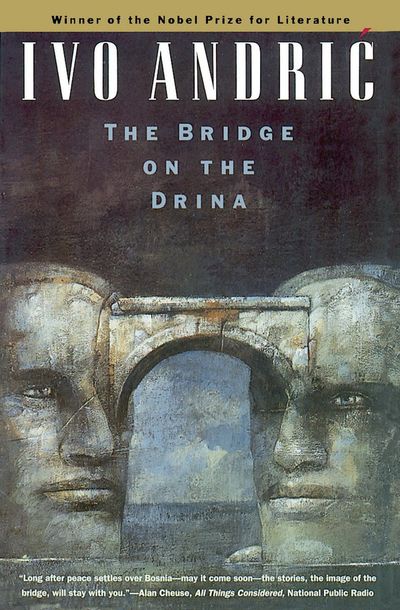
The bridge outlasted them all. Almost.
✦ READ – REFLECT → RESIST
Gulliver's Travels
Jonathan Swift

Swift's mean, necessary joke about rulers.
✦ READ – REFLECT → RESIST
The Pleasures of Exile
George Lamming
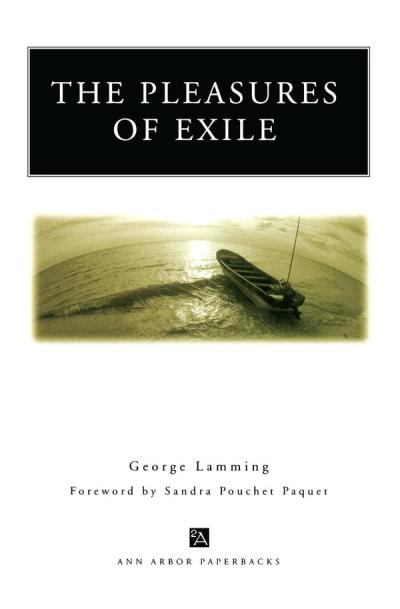
Caliban reads The Tempest and writes back.
✦ READ – REFLECT → RESIST
Same pattern, different era
Different time, different place. The same thing keeps happening.
Anger Is a Gift
Mark Oshiro
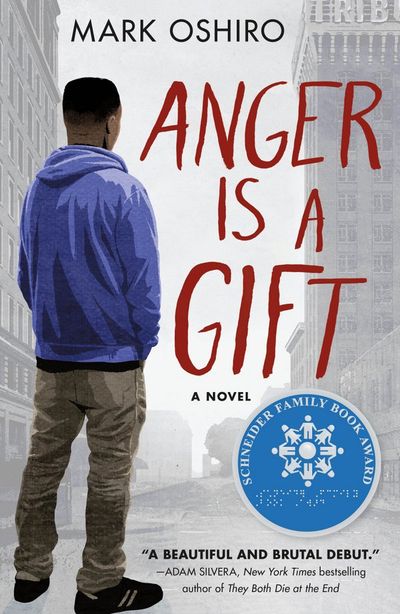
The anger you've been told to put down.
✦ READ – REFLECT → RESIST
Collective Courage: A History of African American Cooperative Economic Thought and Practice
Jessica Gordon Nembhard
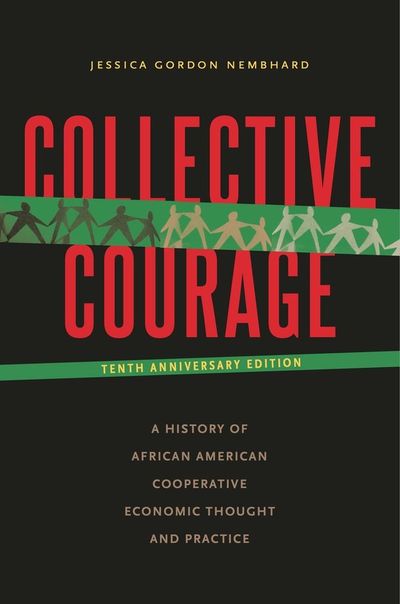
The Black co-ops history forgot to teach.
✦ READ – REFLECT → RESIST
Dear Martin
Nic Stone
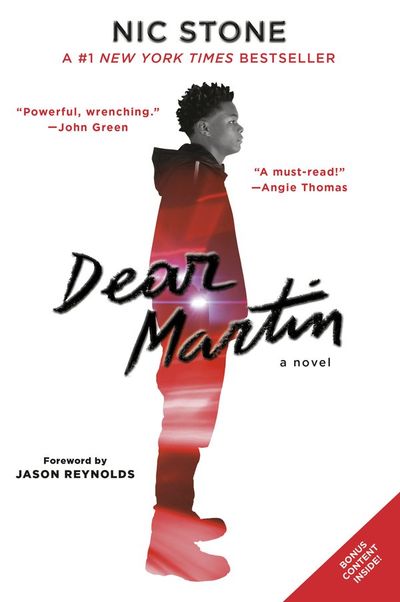
Letters to MLK from a kid in handcuffs.
✦ READ – REFLECT → RESIST
Erasure
Percival Everett

A Black novelist writes a parody. It wins.
✦ READ – REFLECT → RESIST
For the family bookshelf
Same idea, written for a younger reader. Good for reading together.
A Different Pond
Bao Phi
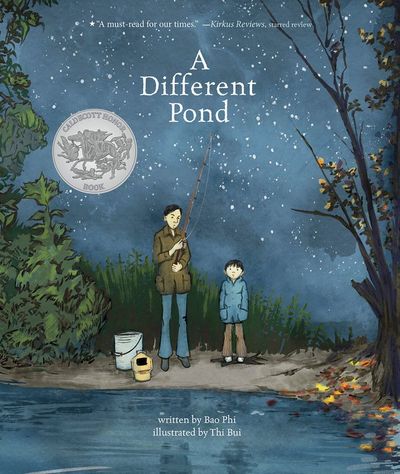
A refugee dad, a fishing pole, and 4 a.m.
✦ READ – REFLECT → RESIST
Bud, Not Buddy
Christopher Paul Curtis
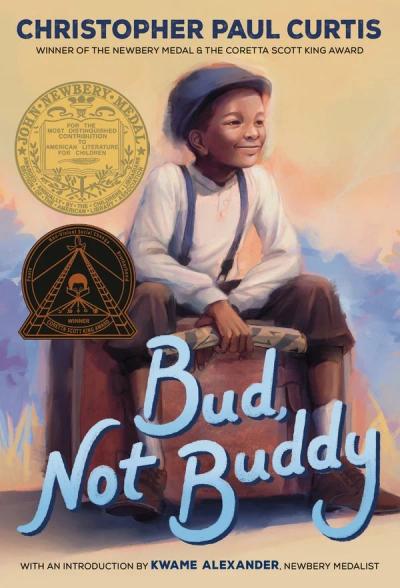
An orphan, a suitcase, and the Great Depression.
✦ READ – REFLECT → RESIST
Claudette Colvin: Twice Toward Justice
Phillip Hoose
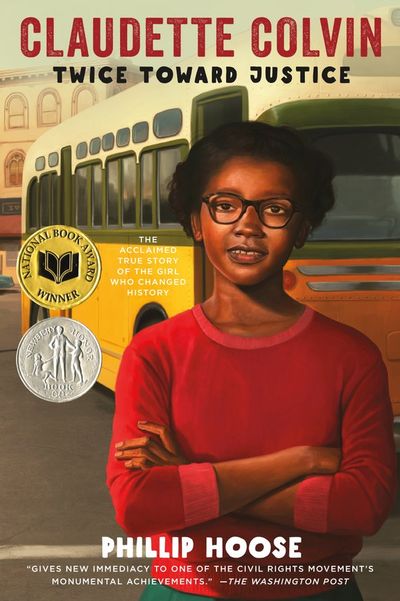
She refused first. History forgot her anyway.
✦ READ – REFLECT → RESIST
Dreamland Burning
Jennifer Latham
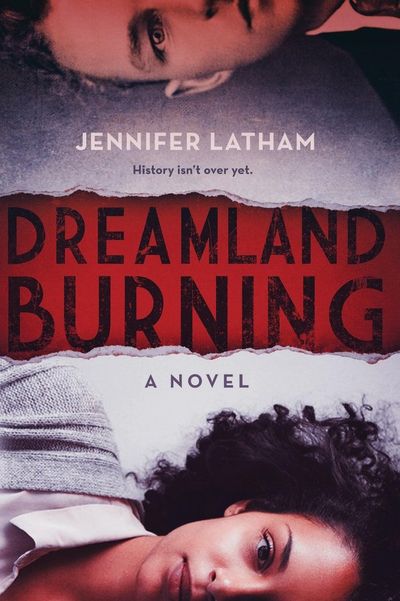
Two Tulsa teens, one buried massacre.
✦ READ – REFLECT → RESIST