
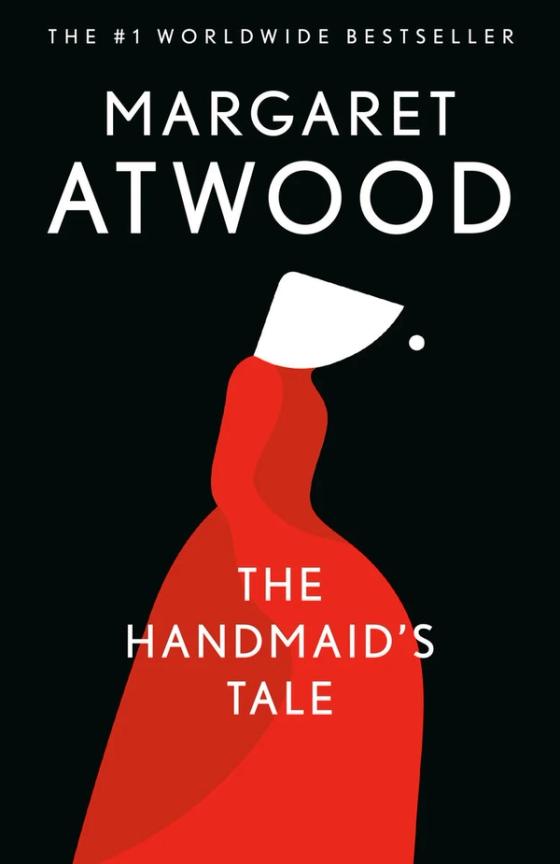
The Handmaid’s Tale
by Margaret Atwood
America as a theocracy. The women who survive it.
For you if
you want to understand the logic of theocratic patriarchy from inside the experience of the women it controls
⚡ Choose Your Route ⚡
Not sold directly on this site. Support indie bookstores with a new copy, or go sustainable with a used one.
Buy New on Bookshop.orgSupports independent bookstores
— OR —
Find Used on Better World BooksSecondhand & sustainable
$18 MSRP
Reference price shown. Other editions may be available.
A Canadian writer imagines the American near future: a theocratic regime called Gilead has replaced the United States, women have been stripped of all rights, and fertile women are assigned as handmaids to powerful men for reproductive purposes. Atwood wrote this in 1985, drawing on historical precedents — nothing in the novel, she has said, is something that hasn't been done to women somewhere. A visitor dispatch from a writer who looked at American religious politics and saw where they led.
Where This Book Lives
- Setting
- Canada • North America
- Voice
- An outside perspective on Canada
Related Viewing
Shares a topic, theme, or setting with this book in the catalog.

Citizenfour(2014)
dir. Laura Poitras
Filmed in the room where the leak actually happened.
Laura Poitras films Edward Snowden's first meetings with journalists in a Hong Kong hotel room as he hands over evidence of mass NSA surveillance.
Why it’s here: Poitras was already filming when Snowden reached out, so this isn't reconstructed after the fact — it's the actual hotel room, the actual first read of the documents, tension that isn't staged because nobody knew yet how it would end.
He Named Me Malala(2015)
dir. Davis Guggenheim
Shot for speaking up. She spoke up again.
After surviving a Taliban assassination attempt for advocating girls' education, Pakistani teenager Malala Yousafzai becomes a global activist and the youngest Nobel Peace laureate.
Why it’s here: Malala is centered as a real teenager, not just a symbol — impatient with her brothers, self-conscious about crushes, alongside the advocacy. Both things are true about her at once, and the film doesn't flatten her into only one.
Same pattern, different era
Different time, different place. The same thing keeps happening.
Autocracy, Inc.: The Dictators Who Want to Run the World
Anne Applebaum
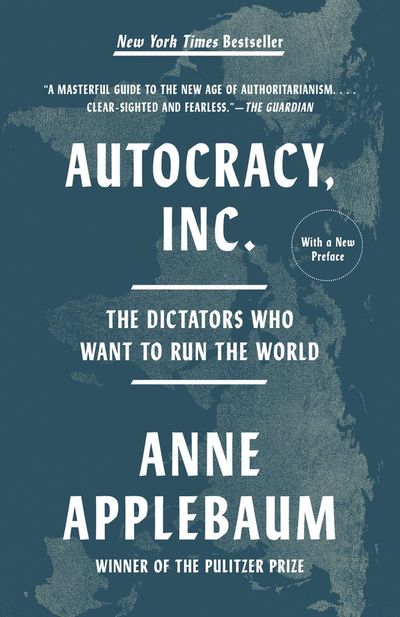
The network behind every strongman.
✦ READ – REFLECT → RESIST
Burning the Books: A History of Knowledge Under Attack
Richard Ovenden

Knowledge was always the target.
✦ READ – REFLECT → RESIST
Different Seasons
Stephen King
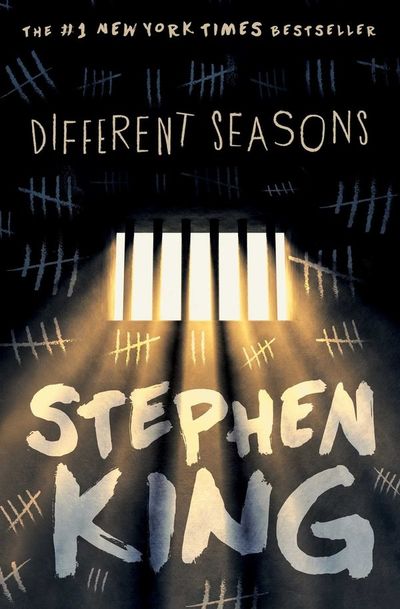
How fascism finds the boy next door.
✦ READ – REFLECT → RESIST
End Times Fascism: And the Fight for the Living World
Naomi Klein and Astra Taylor
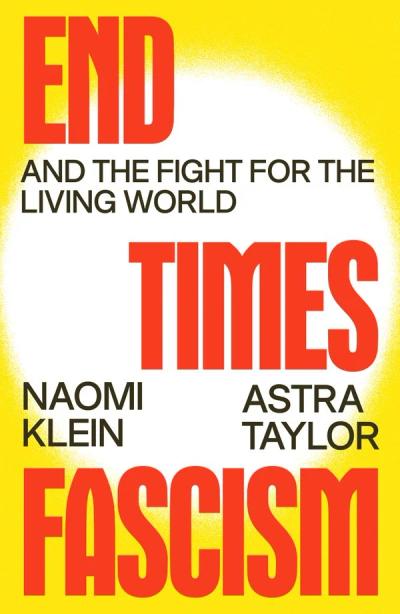
Apocalypse as political strategy.
✦ READ – REFLECT → RESIST
Flip the lens
Same country. Now hear it from the other side.
The Inconvenient Indian
Thomas King

North America's relationship with Native people, undisguised.
✦ READ – REFLECT → RESIST
In the Skin of a Lion
Michael Ondaatje

Toronto was built by immigrant workers. This is their story.
✦ READ – REFLECT → RESIST
Monkey Beach
Eden Robinson
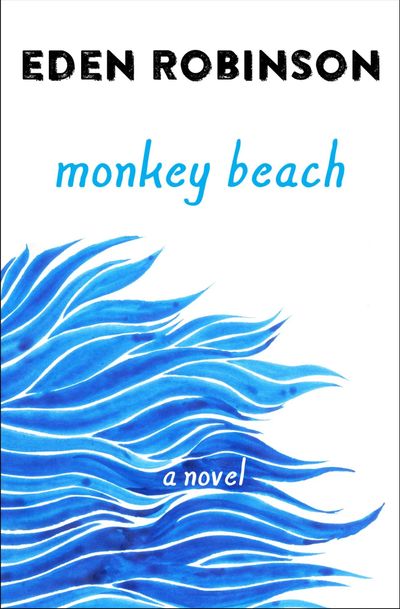
A Haisla woman goes looking for her brother and her ghosts.
✦ READ – REFLECT → RESIST
Obasan
Joy Kogawa
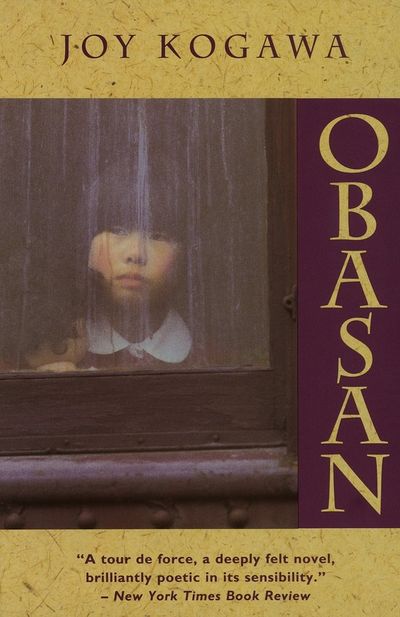
Canada interned its Japanese citizens. One woman breaks the silence.
✦ READ – REFLECT → RESIST