
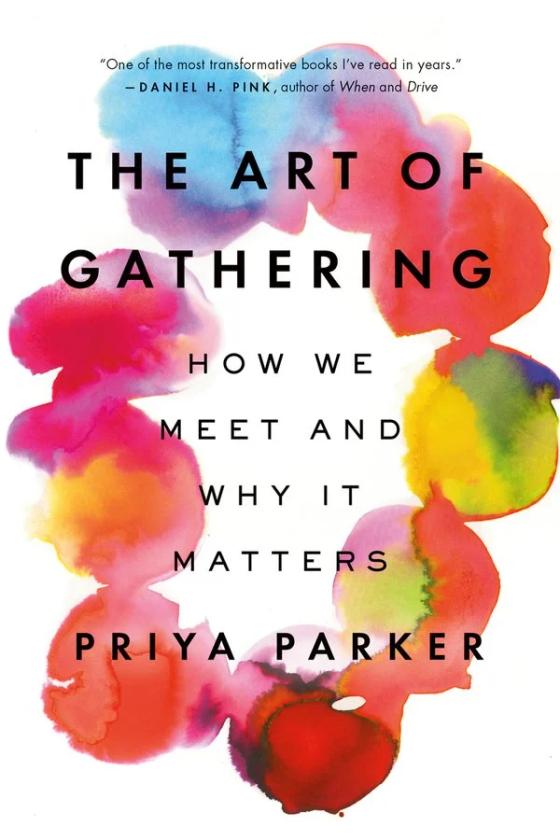
The Art of Gathering: How We Meet and Why It Matters
by Priya Parker
Why your meetings fail, and how to fix them.
For you if
you're hosting people and want it to matter.
⚡ Choose Your Route ⚡
Not sold directly on this site. Support indie bookstores with a new copy, or go sustainable with a used one.
Buy New on Bookshop.orgSupports independent bookstores
— OR —
Find Used on Better World BooksSecondhand & sustainable
$18 MSRP · Paperback
Reference price shown. Other editions may be available.
Parker, a facilitator who trains groups in conflict zones, argues that most of our meetings, dinners and conferences fail because nobody decided what they were for. She gives a method: pick a bold purpose, be a generous host with firm rules, and design the moments that matter. It reads like a manual for turning a room of people into a community on purpose.
Where This Book Lives
Parker is a conflict-resolution facilitator, and the book's instincts are close to the container-not-content idea that shapes DoCR. It's practical for salons, zine fairs and workshops. It's written for a professional audience, so some examples lean corporate, but the principles carry.
Related Viewing
Shares a topic, theme, or setting with this book in the catalog.
Crip Camp(2020)
dir. Nicole Newnham & James LeBrecht
Same themes: Collective Action, Community
A summer camp that started a rights movement.
In the early 1970s, a ramshackle summer camp for teenagers with disabilities near Woodstock, Camp Jened, ran on hippie rules: no adults in charge of the kids' lives. The campers, among them co-director James LeBrecht and the future activist Judy Heumann, went on to organize the sit-ins and protests that helped win the Americans with Disabilities Act. It was produced for Netflix and was nominated for the Oscar for Best Documentary Feature.
Why it’s here: The film shows that a movement can begin as a summer. What's punk is that the people it follows organize without asking permission, and refuse to be treated as objects of pity. What's pedagogical is the through-line from a place where kids ran their own lives to a federal law that changed what was possible. It's a rare entry on disability and civil rights, and a natural fit for DoCR's self-organization principle.
Where to watch: Streaming on NetflixLetterboxd ↗
At War / En guerre(2018)
dir. Stéphane Brizé
Same themes: Collective Action, Solidarity
The plant is profitable. It closes anyway.
Laurent Amédéo leads 1,100 workers at the Perrin plant — a facility that is profitable, whose multinational parent company has decided to close anyway. Stéphane Brizé shoots En guerre with the grain and rhythm of a documentary: non-professional actors in most roles, a handheld camera that can't find a comfortable distance, meetings that go nowhere for a very long time. Vincent Lindon is the union spokesperson who has to translate collective fury into procedure and back again, day after day. The film covers one stretch of a fight that most films would compress into a montage — the press conferences, the back-channel negotiations, the vote counts, the waiting.
Why it’s here: Brizé makes you sit in the room where a decision is being made about other people's lives by people who will never meet them. What's punk about En guerre is the refusal to let that feel abstract — the camera stays at plant-gate level, in the meeting room, on Laurent's face when the call comes in. What's pedagogical is the film's insistence on duration: you feel what it costs to keep a collective together when the institution on the other side is patient and the workers are not. For anyone who has been told that workers in France are just wired differently, that solidarity at this scale isn't something available to us — this film shows the material conditions that make it possible. And it shows what it costs even there.
Where to watch: Free on Tubi, Kanopy, HooplaLetterboxd ↗
Same pattern, different era
Different time, different place. The same thing keeps happening.
Aristophanes' Lysistrata: A Dual Language Edition
Aristophanes
The oldest sex strike in history. Still works.
✦ READ – REFLECT → RESIST
Germinal
Émile Zola

They had nothing left to lose. They struck anyway.
✦ READ – REFLECT → RESIST
Hope in the Dark
Rebecca Solnit
Hope is a practice, not a feeling.
✦ READ – REFLECT → RESIST
Rough Sleepers: Dr. Jim O'Connell's Urgent Mission to Bring Healing to Homeless People
Tracy Kidder
Forty-two steps to house one veteran.
✦ READ – REFLECT → RESIST
For the family bookshelf
Same idea, written for a younger reader. Good for reading together.
Amina's Voice
Hena Khan

A shy girl sings out after her mosque is attacked.
✦ READ – REFLECT → RESIST
Brave Girl: Clara and the Shirtwaist Makers' Strike of 1909
Michelle Markel
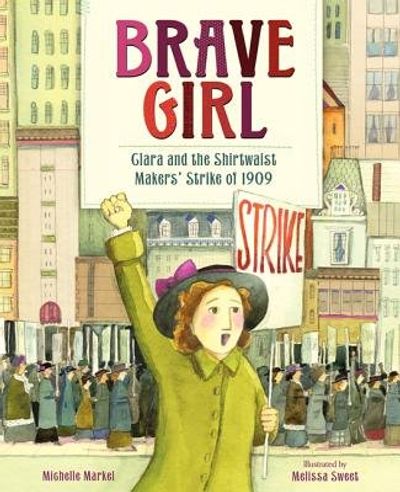
One girl stood up. Twenty thousand followed.
✦ READ – REFLECT → RESIST
Bread and Roses, Too
Katherine Paterson

Bread. Roses. Neither is optional.
✦ READ – REFLECT → RESIST
Claudette Colvin: Twice Toward Justice
Phillip Hoose
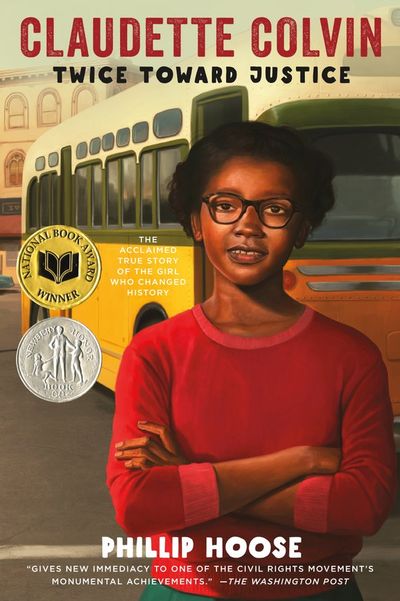
She refused first. History forgot her anyway.
✦ READ – REFLECT → RESIST