
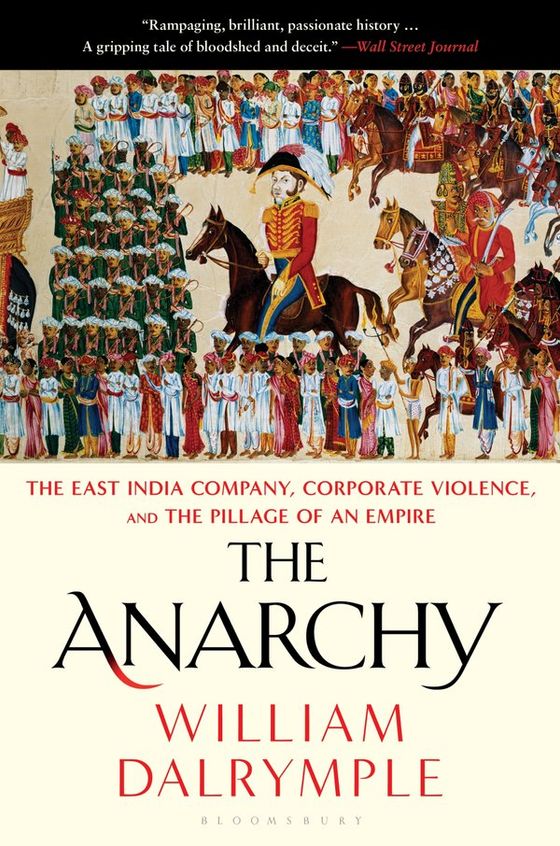
The Anarchy: The Relentless Rise of the East India Company
by William Dalrymple
The first corporation to conquer a country.
For you if
you suspect corporations have always run the show and want the receipts.
⚡ Choose Your Route ⚡
Not sold directly on this site. Support indie bookstores with a new copy, or go sustainable with a used one.
Buy New on Bookshop.orgSupports independent bookstores
— OR —
Find Used on Better World BooksSecondhand & sustainable
$22 MSRP · Paperback
Reference price shown. Other editions may be available.
This is the book that turns "corporation" from a boring noun into a weapon. Dalrymple follows the East India Company from a few London merchants to a private army of around 200,000 men that took over a subcontinent, with shareholders, lobbyists and bought-off MPs along for the ride. You will never read a sentence about "free markets" the same way again.
Where This Book Lives
Read it next to Open Veins of Latin America and Discourse on Colonialism: those give you the theory, this gives you the ledger. Dalrymple is a Scottish historian who lives part of the year in Delhi and builds the story from Mughal, Persian and Company archives, so the Indian side is not an afterthought. Dispatches candidate (India) if you want it there.
Related Viewing
Shares a topic, theme, or setting with this book in the catalog.

13th(2016)
dir. Ava DuVernay
Same theme: Corporate Complicity
The 13th Amendment's loophole built a prison nation.
Ava DuVernay's documentary traces one clause of the 13th Amendment, which abolished slavery except as punishment for a crime, from Reconstruction convict leasing through Jim Crow, the War on Drugs and the modern prison boom. Historians, activists and politicians make the case that mass incarceration is slavery's afterlife by another legal name.
Why it’s here: The punk move is the thesis itself: it reads the Constitution's own text as the loophole and then follows the money and the rhetoric, including footage of the politicians who built the machine, straight to the present. The pedagogy is in the method. It teaches a viewer to trace a single policy lever across 150 years instead of treating each era as a separate story, which is a transferable habit of mind. Worth knowing that some historians argue its straight line from slavery to prisons flattens a more tangled history, so watch it as a forceful argument rather than a settled account.
Where to watch: Streaming on NetflixLetterboxd ↗
Black Girl (La Noire de…)(1966)
dir. Ousmane Sembène
Same theme: Colonialism's Legacy
Colonialism fits in one apartment.
Diouana, a young Senegalese woman, takes a job as a nanny for a white French couple in Dakar, then follows them to the Riviera expecting a new life. Instead she becomes a maid shut in their flat, watched and owned. It is one of the first great African films and runs about an hour.
Why it’s here: The film makes the colonial relationship small enough to see: one flat, one woman, one mask on a wall. What's punk is Sembène, a Senegalese director, making the film the French would not, with independence barely won and the old arrangements intact. What's pedagogical is the use of space and silence: you read power from where people are allowed to stand. Pairs with Xala, already in the catalog.
Where to watch: HBO Max and Plex (free with ads); rent Amazon, Apple TV, Fandango At HomeLetterboxd ↗
Same event, different angle
The same history — told by someone who saw it differently.
Capitalism and Slavery
Eric Williams
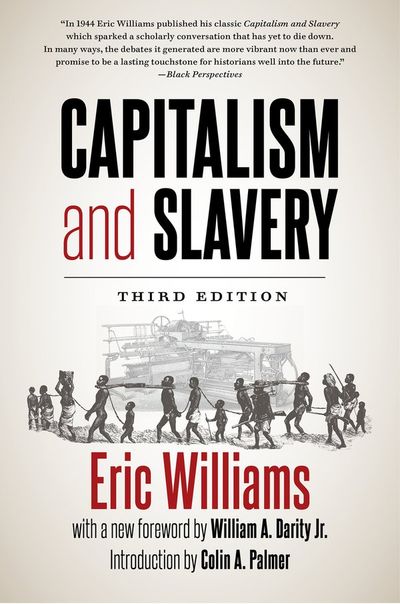
Slavery didn't fund empire. Slavery WAS empire.
✦ READ – REFLECT → RESIST
Gulliver's Travels
Jonathan Swift

Swift's mean, necessary joke about rulers.
✦ READ – REFLECT → RESIST
Nervous Conditions
Tsitsi Dangarembga

The education that includes you and erases you.
✦ READ – REFLECT → RESIST
Season of Migration to the North
Tayeb Salih
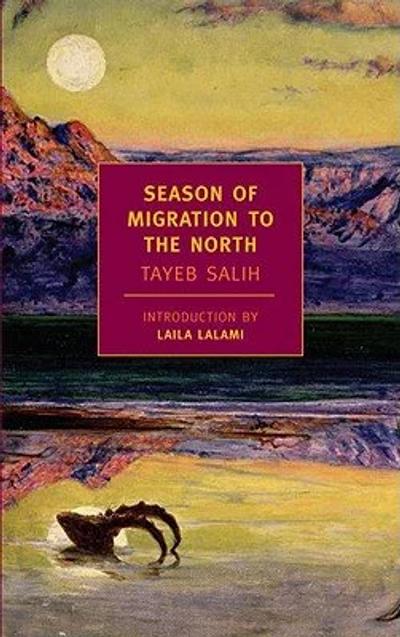
Conrad wrote Africa into shadow. Salih wrote back.
✦ READ – REFLECT → RESIST
Same pattern, different era
Different time, different place. The same thing keeps happening.
Capitalism and Slavery
Eric Williams
Slavery didn't fund empire. Slavery WAS empire.
✦ READ – REFLECT → RESIST
Empire of Pain
Patrick Radden Keefe
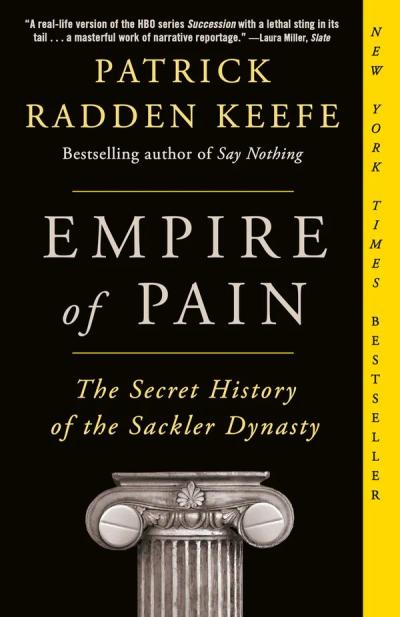
Philanthropy as cover. Addiction as business model.
✦ READ – REFLECT → RESIST
The Ethnic Cleansing of Palestine
Ilan Pappé
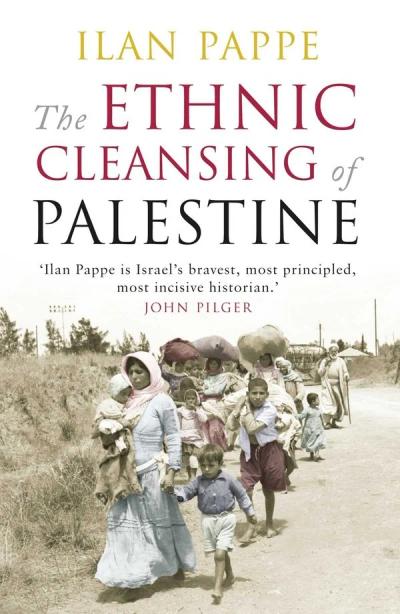
Plan Dalet. Village by village.
✦ READ – REFLECT → RESIST
Gulliver's Travels
Jonathan Swift
Swift's mean, necessary joke about rulers.
✦ READ – REFLECT → RESIST