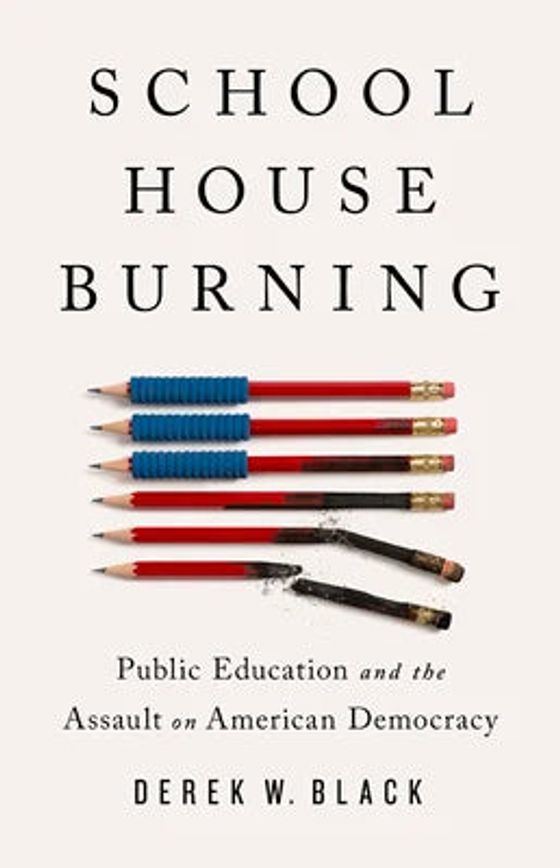
Schoolhouse Burning
by Derek W. Black
Public schools are the backbone of democracy.
For you if
you're watching attacks on public education and need the history to understand what's really being dismantled
⚡ Choose Your Route ⚡
Not sold directly on this site. Support indie bookstores with a new copy, or go sustainable with a used one.
Buy New on Bookshop.orgSupports independent bookstores
— OR —
Find Used on Better World BooksSecondhand & sustainable
$32 MSRP
Reference price shown. Other editions may be available.
Schoolhouse Burning is a fierce, meticulously argued defense of public education as a constitutional promise — not a luxury. Black traces how the right to a free, inclusive education has been central to every democratic leap in American history, from Reconstruction to the Civil Rights Movement, and how today’s attacks on public schools threaten that legacy. It’s a legal, historical, and moral alarm bell: if we let public education erode, we erode democracy itself.
Where This Book Lives
Related Viewing
Shares a topic, theme, or setting with this book in the catalog.

Malcolm X(1992)
dir. Spike Lee
One man, three names, one refusal to stay quiet.
Spike Lee's biopic follows Malcolm Little from a troubled Detroit childhood through prison, his conversion within the Nation of Islam, his break from Elijah Muhammad, and his post-Mecca reorientation toward a wider human-rights politics, ending with his 1965 assassination.
Why it’s here: Punk in showing radicalization as a rational response to real conditions, not a character flaw. Pedagogical in tracking a person's ideas actually changing on camera — Malcolm's break from Elijah Muhammad and his post-Mecca reckoning model intellectual honesty most biopics flatten out.
Most Likely to Succeed(2015)
dir. Greg Whiteley
The best case for project-based learning, with caveats.
A year inside High Tech High, a San Diego charter school built entirely around project-based learning instead of standardized instruction, following two classes of ninth graders.
Why it’s here: Makes the most vivid case in documentary form for project-based learning over the standard model — but its history of how American schooling got this way has been disputed by actual education historians, and its producers have their own stake in the reform it's arguing for. Worth watching with that critique alongside it, not instead of it.
Same event, different angle
The same history — told by someone who saw it differently.
Stamped: Racism, Antiracism, and You
Jason Reynolds and Ibram X. Kendi
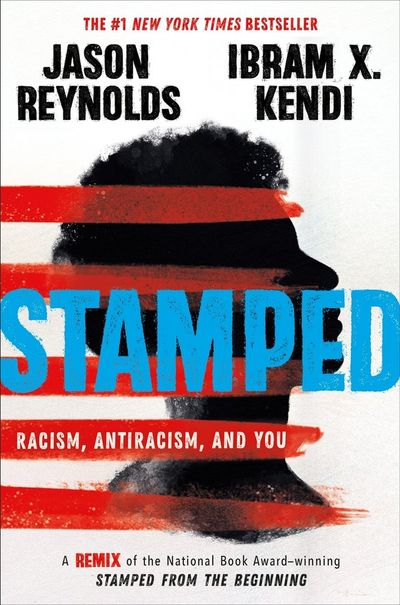
The history of racist ideas — who made them and why
✦ READ – REFLECT → RESIST
I Know Why the Caged Bird Sings
Maya Angelou
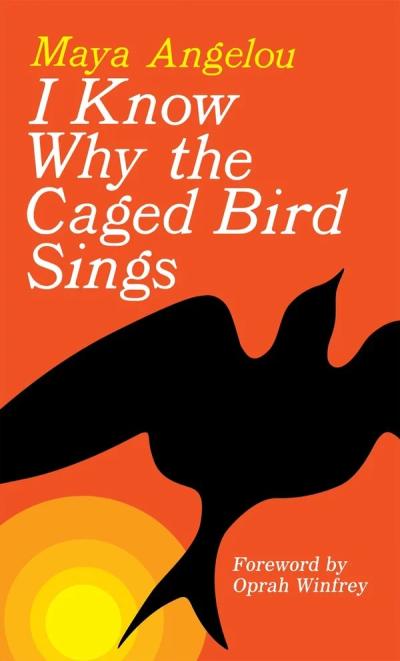
She wrote herself alive. They tried to erase it.
✦ READ – REFLECT → RESIST
We Are Not Yet Equal
Carol Anderson & Tonya Bolden
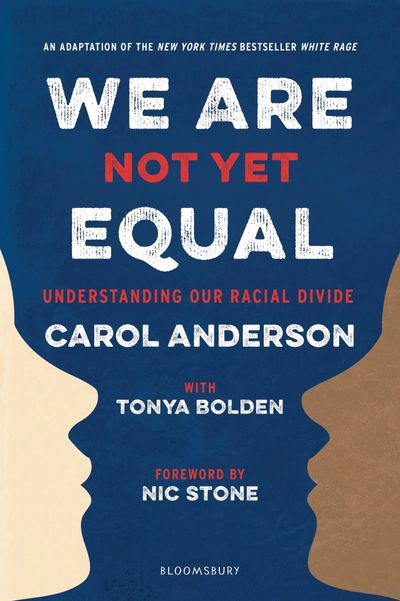
History’s receipts for injustice.
✦ READ – REFLECT → RESIST
March: Book One
John Lewis, Andrew Aydin & Nate Powell
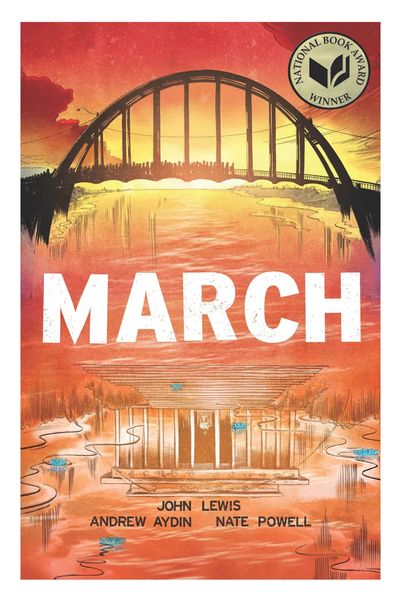
The blueprint for nonviolent revolution.
✦ READ – REFLECT → RESIST
Same pattern, different era
Different time, different place. The same thing keeps happening.
Sexual Citizens: A Landmark Study of Sex, Power, and Assault on Campus
Jennifer S. Hirsch & Shamus Khan
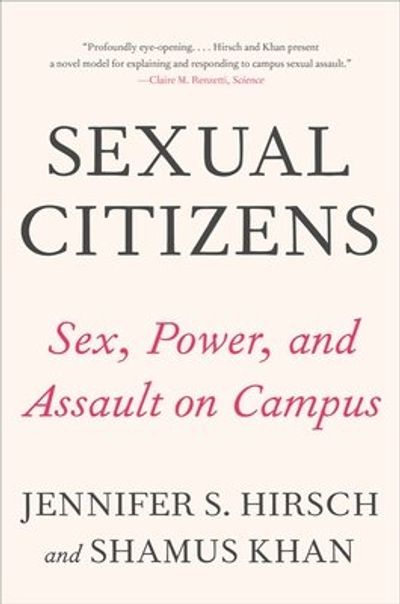
Not a few bad men. A system that works.
✦ READ – REFLECT → RESIST
Lies My Teacher Told Me
James W. Loewen
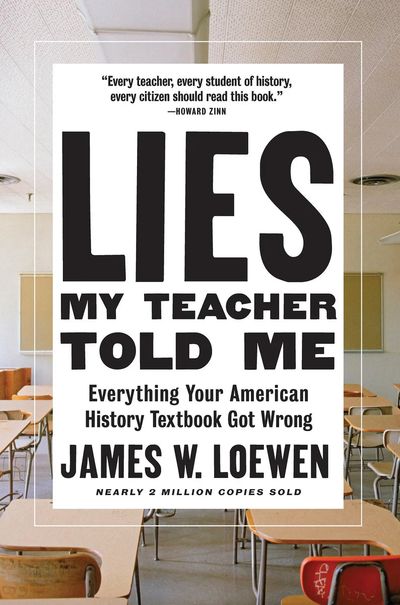
History class—now with honesty.
✦ READ – REFLECT → RESIST
Impro for Storytellers
Keith Johnstone
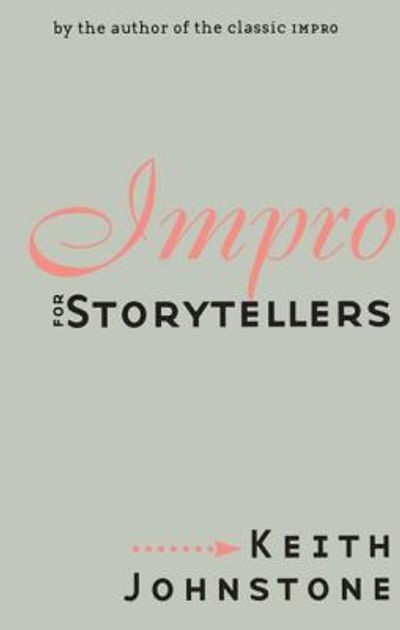
Make it up. Mean it anyway.
✦ READ – REFLECT → RESIST
Teaching to Transgress
bell hooks
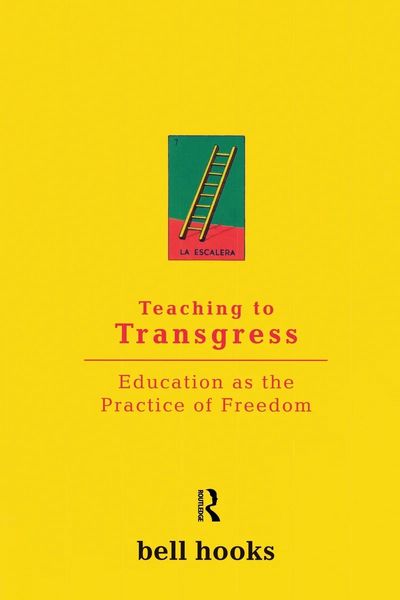
Break the rules. Bring the kids.
✦ READ – REFLECT → RESIST
For the family bookshelf
Same idea, written for a younger reader. Good for reading together.
Stamped (for Kids)
Jason Reynolds & Ibram X. Kendi
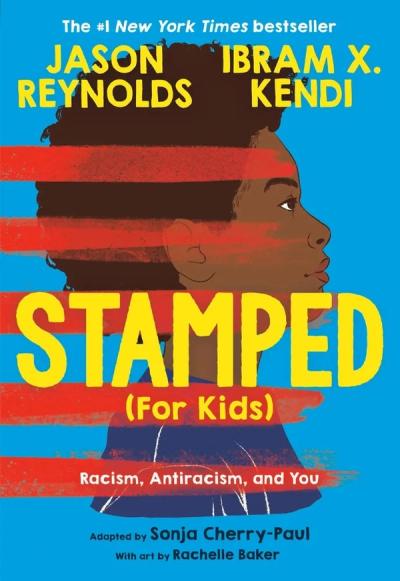
Unlearning racism, one page at a time.
✦ READ – REFLECT → RESIST
Pedagogy of the Oppressed
Paulo Freire
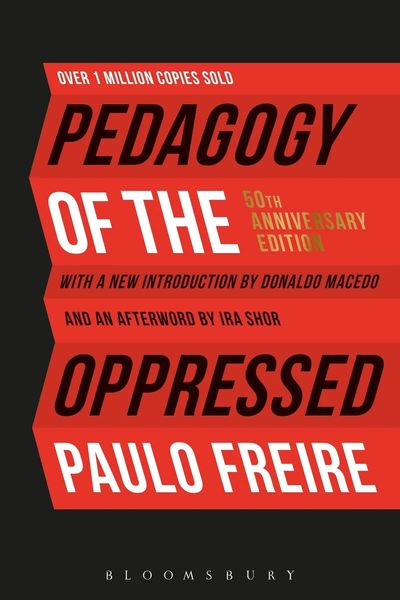
Classroom meets liberation front.
✦ READ – REFLECT → RESIST
The Losers Club
Andrew Clements
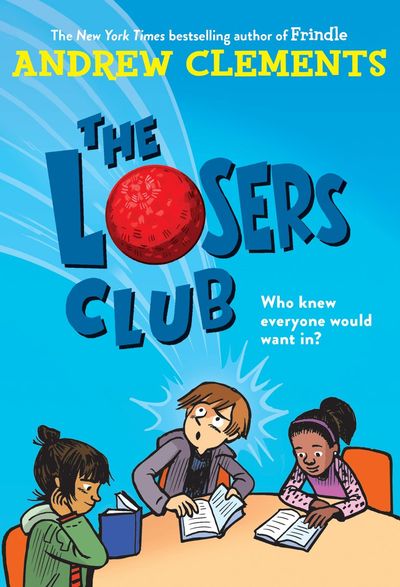
He loves reading. He hates reading club. He starts his own.
✦ READ – REFLECT → RESIST
The Watsons Go to Birmingham—1963
Christopher Paul Curtis
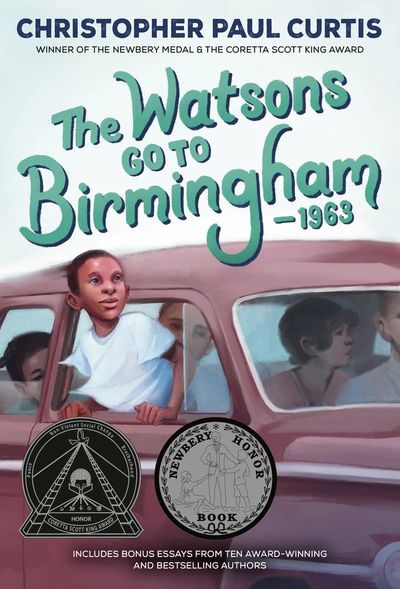
A funny family road trip to Birmingham. Then 1963 arrives.
✦ READ – REFLECT → RESIST