
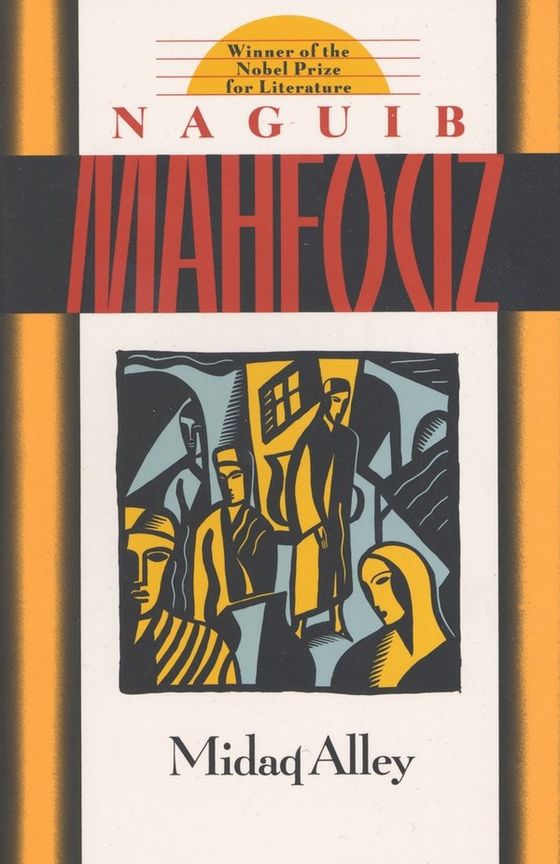
Midaq Alley
by Naguib Mahfouz
All of Cairo in one alley.
For you if
you've watched a whole neighborhood bend around money that came from somewhere else.
⚡ Choose Your Route ⚡
Not sold directly on this site. Support indie bookstores with a new copy, or go sustainable with a used one.
Buy New on Bookshop.orgSupports independent bookstores
— OR —
Find Used on Better World BooksSecondhand & sustainable
$17 MSRP · Paperback
Reference price shown. Other editions may be available.
One alley in Cairo during the Second World War, and a dozen people trying to get out of it: a barber with dreams, a matchmaker, a woman who wants a better man, a landlord, a poet with no readers. The British army is paying wages the alley has never seen, and the neighbors start selling what they can. Mahfouz shows an entire social order by walking a few hundred feet.
Where This Book Lives
- Setting
- Egypt
- Voice
- Written by a Egyptian author
- Topics
- world war ii
Mahfouz is the Arab world's Nobel voice and the catalog has almost no Egyptian fiction, so this fills a hole. A classic of the realist tradition, short and readable.
Related Viewing
Shares a topic, theme, or setting with this book in the catalog.
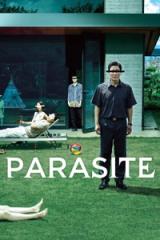
Parasite(2019)
dir. Bong Joon-ho
Same themes: Class Inequality, Social Hierarchy
Two families, one house, one staircase between them.
A family living in a semi-basement in Seoul schemes its way, one fake résumé at a time, into the staff of a wealthy household upstairs. The comedy of the con curdles into something much darker as the two families discover how little room there is at the bottom of the same staircase.
Why it’s here: The punk move is the genre-bending: Bong Joon-ho starts as a heist comedy and keeps turning the floor over until the audience realizes the joke was always about who gets to be comfortable. The pedagogy is in the architecture. Stairs, windows, smells and flooded streets show class instead of lecturing about it, so the film teaches a viewer to read inequality in physical space, and refuses to make either family a simple villain. It is a rare crowd-pleaser that sends people out of the theater arguing about structure rather than individuals.
Where to watch: Rent on Amazon Prime VideoLetterboxd ↗
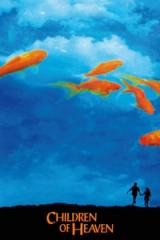
Children of Heaven(1997)
dir. Majid Majidi
Same themes: Class Inequality, Urban Poverty
One pair of shoes between a brother and sister.
In a poor neighborhood of Tehran, nine-year-old Ali loses his little sister Zahra's only pair of shoes. Their family can't afford another pair, and their father can barely cover the rent, so the two keep it secret and share Ali's sneakers, swapping them between her morning school shift and his afternoon one. Ali sees a chance to win a pair at a children's race, and everything comes down to it.
Why it’s here: The punk move is the scale: Majidi makes a film about poverty without a villain, a speech or a rescue, and trusts the children's point of view to carry all of it. Nothing in it is shouted. The shoes are the whole argument. The pedagogy is in that restraint. A young viewer sees what a missing pair of shoes costs a family, how kids shield their parents from shame, and how much dignity and care two siblings can hold at once. It is warm and funny and never sentimental, and it is an easy first film from outside the English-speaking world. Majidi worked inside Iran's censorship system, and the film keeps politics out of frame by design, so its critique of class comes through the situation and not through anything the characters say. Good for the whole family, with subtitles.
Where to watch: Free on Kanopy, HooplaLetterboxd ↗
Same event, different angle
The same history — told by someone who saw it differently.
Slaughterhouse-Five
Kurt Vonnegut
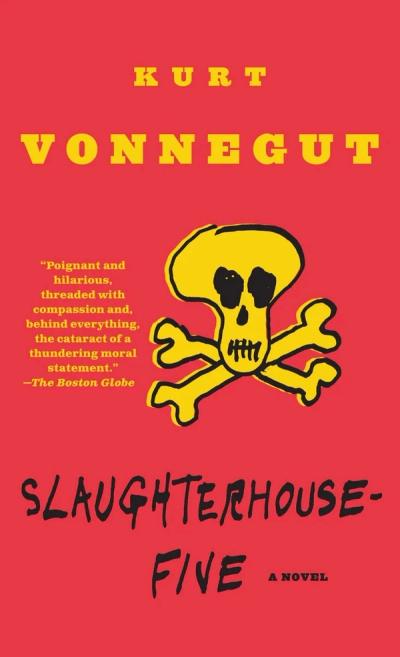
Trauma, time travel, and tinfoil hats.
✦ READ – REFLECT → RESIST
Catch-22
Joseph Heller
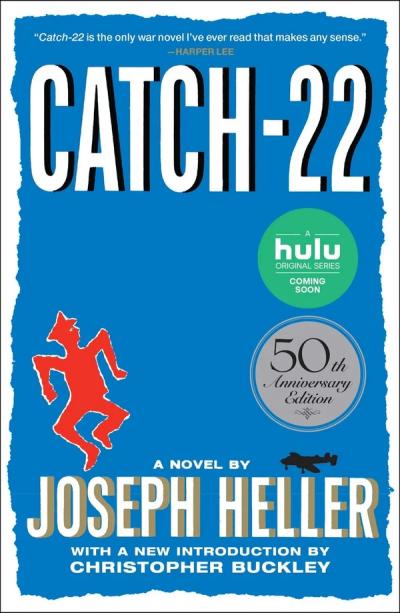
War’s dumbest logic, perfectly told.
✦ READ – REFLECT → RESIST
The Tin Drum
Günter Grass
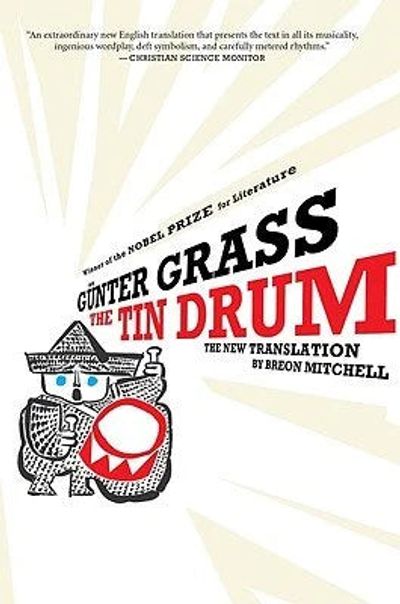
At three, he stops growing and drums at adult lies.
✦ READ – REFLECT → RESIST
Ceremony
Leslie Marmon Silko
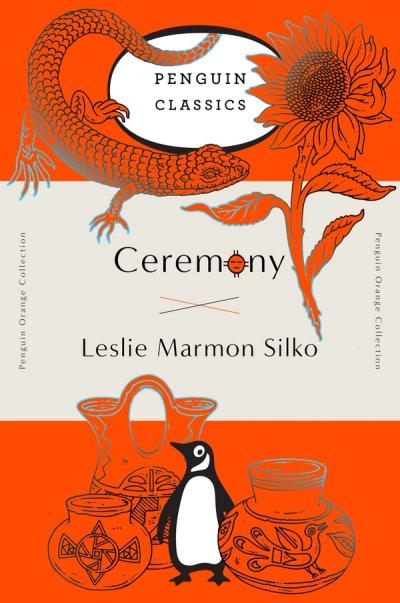
A Pueblo veteran comes home to the land that can heal him.
✦ READ – REFLECT → RESIST
Same pattern, different era
Different time, different place. The same thing keeps happening.
A Small Place
Jamaica Kincaid
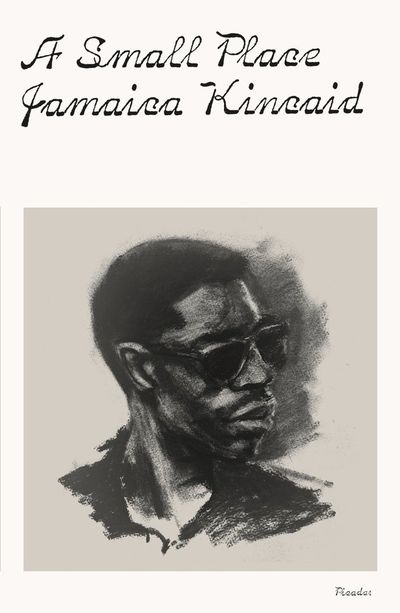
The tourist brochure, answered.
✦ READ – REFLECT → RESIST
Capitalism and Slavery
Eric Williams
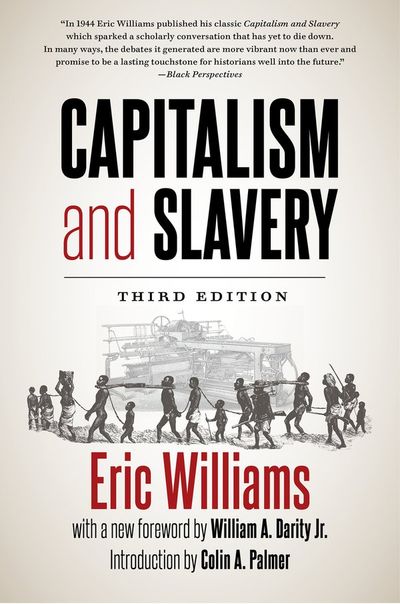
Slavery didn't fund empire. Slavery WAS empire.
✦ READ – REFLECT → RESIST
Decolonising the Mind: The Politics of Language in African Literature
Ngũgĩ wa Thiong'o
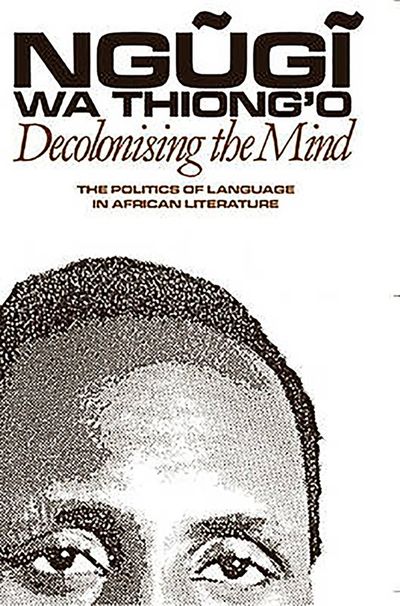
The colonizer’s real weapon was the classroom.
✦ READ – REFLECT → RESIST
The Ethnic Cleansing of Palestine
Ilan Pappé
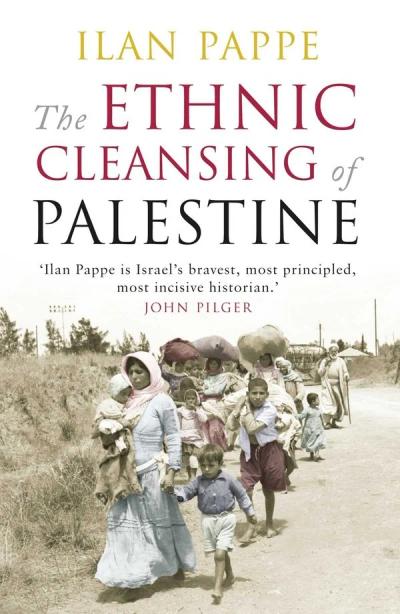
Plan Dalet. Village by village.
✦ READ – REFLECT → RESIST
For the family bookshelf
Same idea, written for a younger reader. Good for reading together.
Amal Unbound
Aisha Saeed
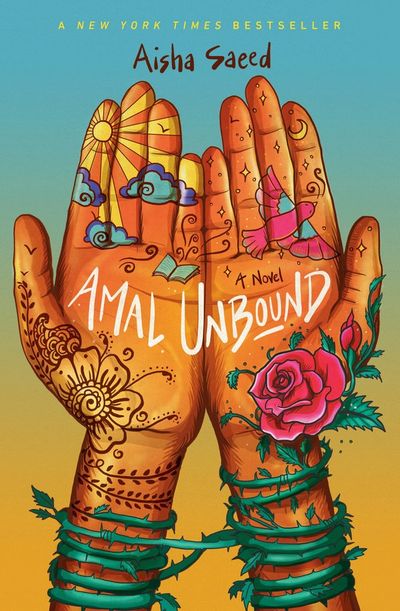
The debt wasn't hers. The cage is.
✦ READ – REFLECT → RESIST
Number the Stars
Lois Lowry
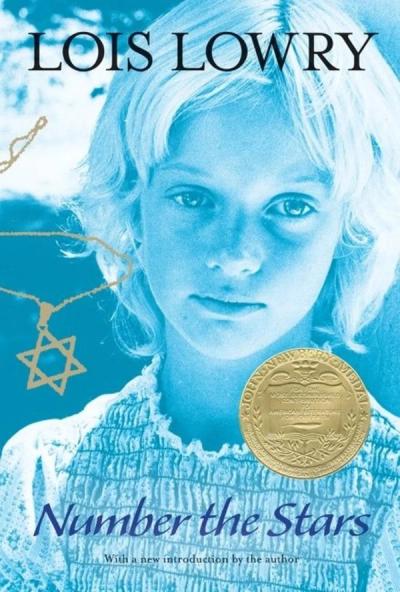
The Nazis are rounding up Jews. Her family hides her best friend.
✦ READ – REFLECT → RESIST
Last Exit to Brooklyn
Hubert Selby Jr.
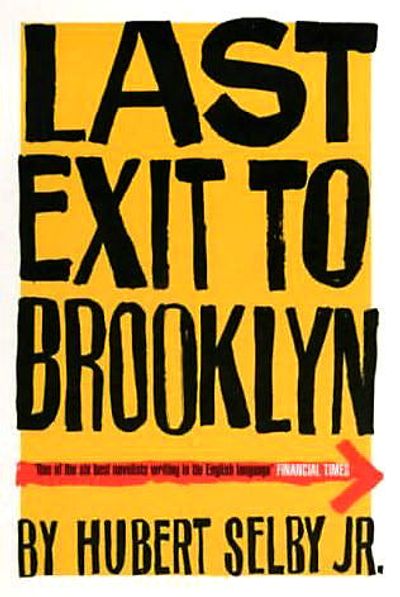
Brooklyn's underworld. No exits. No comfort. All true.
✦ READ – REFLECT → RESIST
Lawn Boy
Jonathan Evison
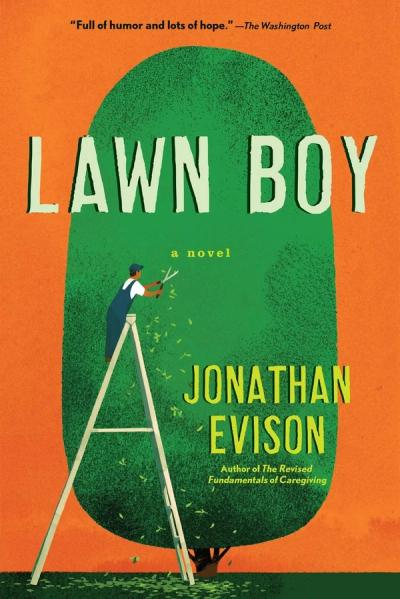
He started a lawn business. The economy had other plans.
✦ READ – REFLECT → RESIST