
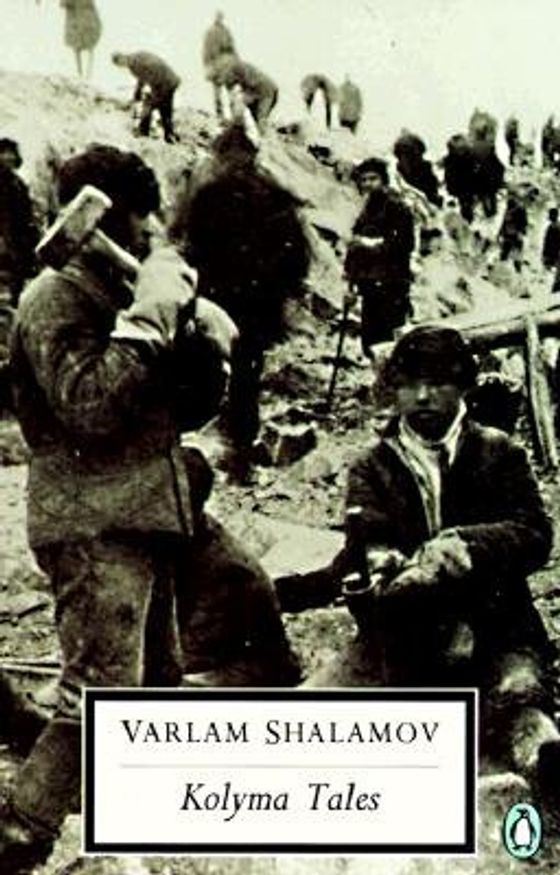
Kolyma Tales
by Varlam Shalamov
The Gulag in short stories with no consolation.
For you if
you want the camps without the redemption arc.
⚡ Choose Your Route ⚡
Not sold directly on this site. Support indie bookstores with a new copy, or go sustainable with a used one.
Buy New on Bookshop.orgSupports independent bookstores
— OR —
Find Used on Better World BooksSecondhand & sustainable
$19 MSRP · Paperback
Reference price shown. Other editions may be available.
Shalamov spent seventeen years in the Soviet camps of Kolyma, and these short, flat, devastating stories are what came out. There is no redemption and no moral. Hunger, cold and the small bargains by which a person stays alive are told in a voice with nothing left to spare. He insisted the camp teaches a man nothing except how to lose.
Where This Book Lives
Pass. Content includes starvation, murder, cannibalism and cold brutality, told plainly. Translated from Russian (Donald Rayfield's edition is the usual one to look for). No documented author concerns; Shalamov was himself a prisoner and was banned in the USSR. Close relatives: One Day in the Life of Ivan Denisovich, which is gentler, and Secondhand Time.
Related Viewing
Shares a topic, theme, or setting with this book in the catalog.

Nostalgia for the Light(2010)
dir. Patricio Guzmán
Same themes: Authoritarianism, Courage
Astronomers and mothers dig the same desert.
In Chile's Atacama Desert astronomers use the clearest skies on Earth to study the origins of the universe. In the same sand, women are still searching for the bones of relatives disposed of by Pinochet's dictatorship. Guzmán puts them in the same frame: people looking up at stars thirteen billion years old, and people on their knees looking for forty-year-old remains.
Why it’s here: The film makes the case that a country's past has to be dug up before it can be put to rest. What's punk is the women with their small shovels, who outlast the state's silence. What's pedagogical is the way it joins deep time and recent history and invites students to ask who gets to be an archaeologist of their own country. Sits beside Chile-adjacent books like The House of the Spirits. Note: availability data is about eleven weeks old, so re-check.
Where to watch: Free on Kanopy and Hoopla; OVID; rent $3.99 on Amazon, $4.99 on Apple TV (JustWatch US, last checked Aug 12 2026; re-check)Letterboxd ↗

Pan's Labyrinth(2006)
dir. Guillermo del Toro
Same themes: Authoritarianism, Courage
A girl's fairy tale against Franco's soldiers.
Spain, 1944. Ofelia moves with her pregnant mother to a military outpost run by her stepfather, Captain Vidal, a Francoist officer hunting the last rebels in the hills. She finds a labyrinth and a faun who gives her three tasks to prove she's a lost princess. Del Toro cuts between her fairy tale and the real cruelty around her, and the real one is worse.
Why it’s here: The film sets a child's imagination against fascism and shows imagination winning something that matters. What's punk is Ofelia's disobedience, which is the whole plot. What's pedagogical is how clearly it shows the cruelty of an obedient man. It's violent and not for young kids despite the fairy-tale look. Pairs with The Tin Drum and the fascism bundle.
Where to watch: Rent $5.99 / buy $14.99 on Amazon; no subscription streaming listed (JustWatch US)Letterboxd ↗
Same pattern, different era
Different time, different place. The same thing keeps happening.
A Pattern Language: Towns, Buildings, Construction
Christopher Alexander et al.

253 patterns for designing a place people can live in.
✦ READ – REFLECT → RESIST
Anger Is a Gift
Mark Oshiro

The anger you've been told to put down.
✦ READ – REFLECT → RESIST
Autocracy, Inc.: The Dictators Who Want to Run the World
Anne Applebaum
The network behind every strongman.
✦ READ – REFLECT → RESIST
Bird by Bird: Some Instructions on Writing and Life
Anne Lamott
Write the terrible first draft. One bird at a time.
✦ READ – REFLECT → RESIST
For the family bookshelf
Same idea, written for a younger reader. Good for reading together.
Amal Unbound
Aisha Saeed

The debt wasn't hers. The cage is.
✦ READ – REFLECT → RESIST
Amina's Voice
Hena Khan
A shy girl sings out after her mosque is attacked.
✦ READ – REFLECT → RESIST
Between Shades of Gray
Ruta Sepetys
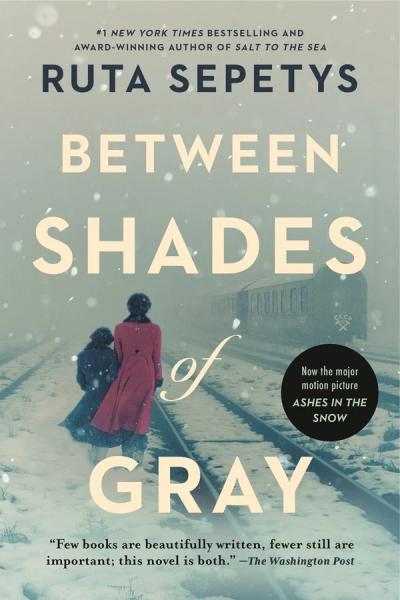
A Lithuanian teen draws her way through Siberia.
✦ READ – REFLECT → RESIST
Big Red Lollipop
Rukhsana Khan

A big sister, a birthday party, and who gets included.
✦ READ – REFLECT → RESIST