

Disoriental
by Négar Djavadi
Three generations who outlasted two regimes.
For you if
you inherited a country you've never been able to go back to.
⚡ Choose Your Route ⚡
Not sold directly on this site. Support indie bookstores with a new copy, or go sustainable with a used one.
Buy New on Bookshop.orgSupports independent bookstores
— OR —
Find Used on Better World BooksSecondhand & sustainable
$18 MSRP · Paperback
Reference price shown. Other editions may be available.
Kimiâ Sadr sits in a Paris fertility clinic waiting room, and the story of her family comes out: three generations of Iranians who fought the Shah, then Khomeini's republic, until the whole family had to flee. Djavadi, who left Tehran as a child and writes in French, tells it out of order and with a lot of jokes, the way families really tell their histories. It's a novel about exile as an inheritance, and about what a country does to the people who love it.
Where This Book Lives
- Setting
- Iran
- Voice
- Written by a Iranian author
Djavadi was born in Tehran and her family left when she was a child, and the novel draws on that history. A good partner for Persepolis and the Iran bundle, with more Paris and more family texture; the narrator is a queer woman. Frank about sex and about political violence.
Related Viewing
Shares a topic, theme, or setting with this book in the catalog.
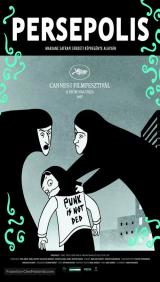
Persepolis(2007)
dir. Marjane Satrapi & Vincent Paronnaud
Same event: Iranian Revolution · Same country: Iran
Her own memoir, animated — testimony, not reportage.
Animated adaptation of Satrapi's own graphic memoir — a girl coming of age in Tehran during and after the 1979 revolution, then in exile, then back home as an adult reckoning with who she's become.
Why it’s here: Satrapi adapted her own story, so nothing here is secondhand. Punk in the plainest sense: the Iranian government denounced it, and she made it anyway. Pedagogical in that it teaches a kid what authoritarianism actually feels like to live through — not the textbook timeline, the daily compromises.
Where to watch: Rent or buy on Apple TV, Amazon Video, or Fandango at Home — no subscription option currently.Letterboxd ↗
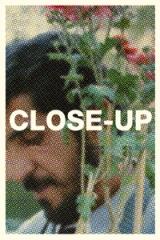
Close-Up(1990)
dir. Abbas Kiarostami
Same country: Iran
A fraud, a trial, and the camera.
In Tehran, a man named Hossein Sabzian is arrested for posing as the filmmaker Mohsen Makhmalbaf to a family who believed he would put them in his next film. Kiarostami reconstructs the case with the real people playing themselves and films the trial. It is a documentary and a drama at once, and it never tells you where one ends.
Why it’s here: The film asks why a man would pretend to be a director and what that says about who gets seen. What's punk is Kiarostami giving a petty fraudster the dignity of explaining himself, with the trial as theatre. What's pedagogical is the structure: reality and reenactment collide, and you see that every film is a construction. A natural companion to the Godard, Bresson and Bazin books in the catalog.
Where to watch: Criterion Channel (subscription)Letterboxd ↗
Same event, different angle
The same history — told by someone who saw it differently.
Persepolis
Marjane Satrapi
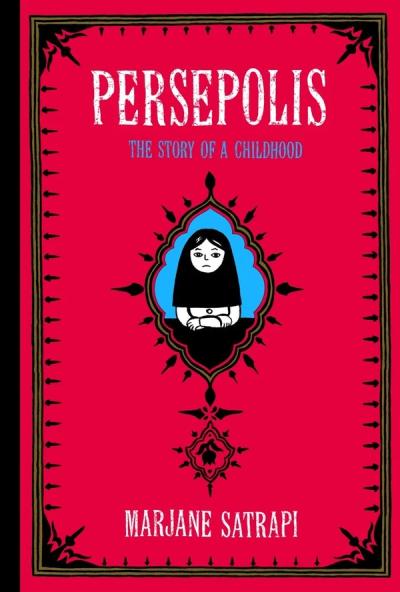
Rebellion drawn in black ink.
✦ READ – REFLECT → RESIST
Lipstick Jihad
Azadeh Moaveni

Iranian American, going back to find out what that is.
✦ READ – REFLECT → RESIST
Funny in Farsi
Firoozeh Dumas
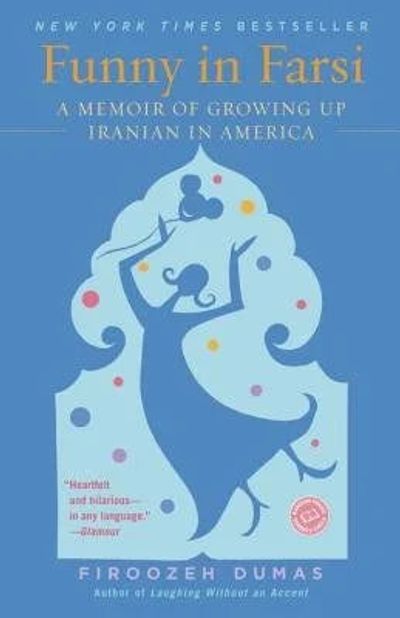
An Iranian family in California. Dad is an eternal optimist.
✦ READ – REFLECT → RESIST
All the Shah's Men
Stephen Kinzer

The CIA overthrew Iran's democracy. For oil.
✦ READ – REFLECT → RESIST
Same pattern, different era
Different time, different place. The same thing keeps happening.
The Complete Maus: A Survivor's Tale
Art Spiegelman

The only comic to win the Pulitzer. Banned anyway.
✦ READ – REFLECT → RESIST
Kim Jiyoung, Born 1982
Cho Nam-Joo

One woman's life. Every woman's system.
✦ READ – REFLECT → RESIST
Lipstick Jihad
Azadeh Moaveni
Iranian American, going back to find out what that is.
✦ READ – REFLECT → RESIST
The Pleasures of Exile
George Lamming
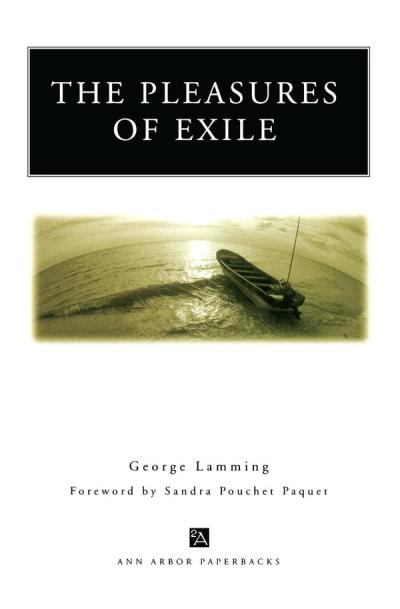
Caliban reads The Tempest and writes back.
✦ READ – REFLECT → RESIST
Flip the lens
Same country. Now hear it from the other side.
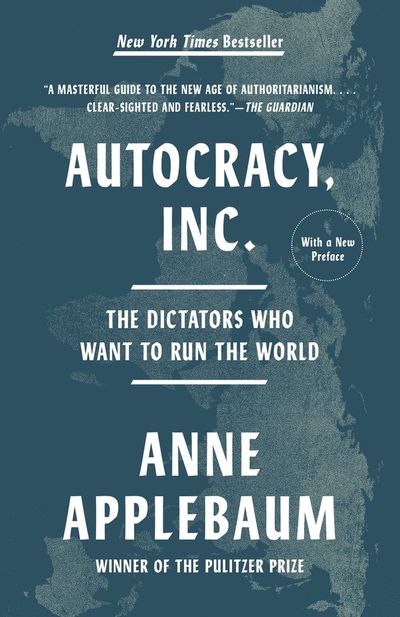
For the family bookshelf
Same idea, written for a younger reader. Good for reading together.
Everything Sad Is Untrue (a true story)
Daniel Nayeri
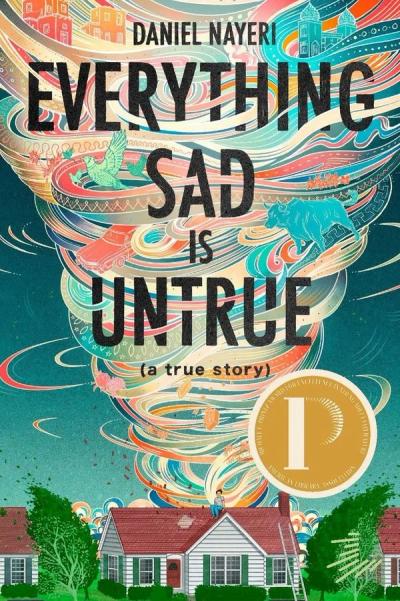
A refugee kid tells stories to survive.
✦ READ – REFLECT → RESIST
Fun Home: A Family Tragicomic
Alison Bechdel
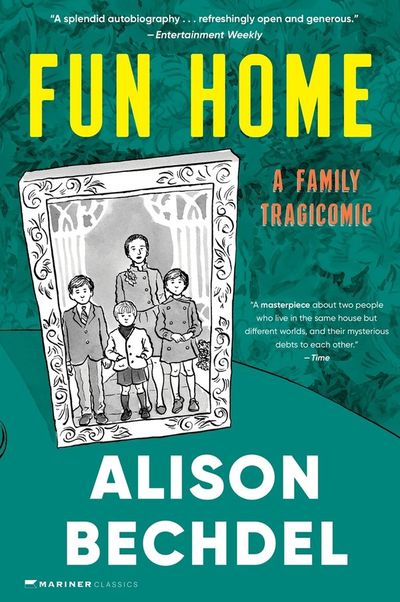
The memoir that made the closet visible.
✦ READ – REFLECT → RESIST
When We Were Alone
David A. Robertson
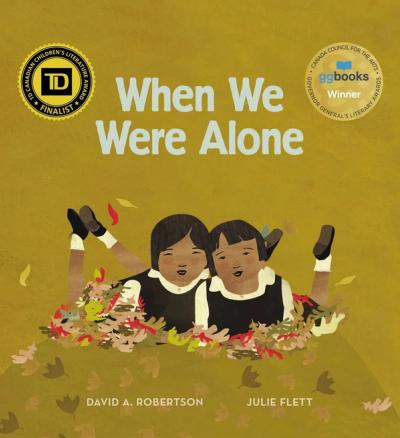
Why does grandma keep her hair long? Because they made her cut it.
✦ READ – REFLECT → RESIST
Merci Suárez Changes Gears
Meg Medina
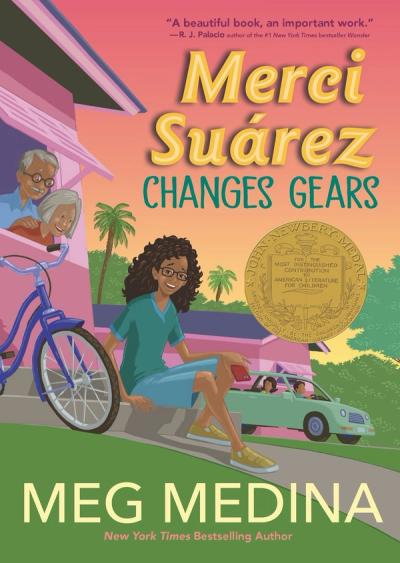
Scholarship kid. Cuban family. Grandfather forgetting. Nobody talking.
✦ READ – REFLECT → RESIST