
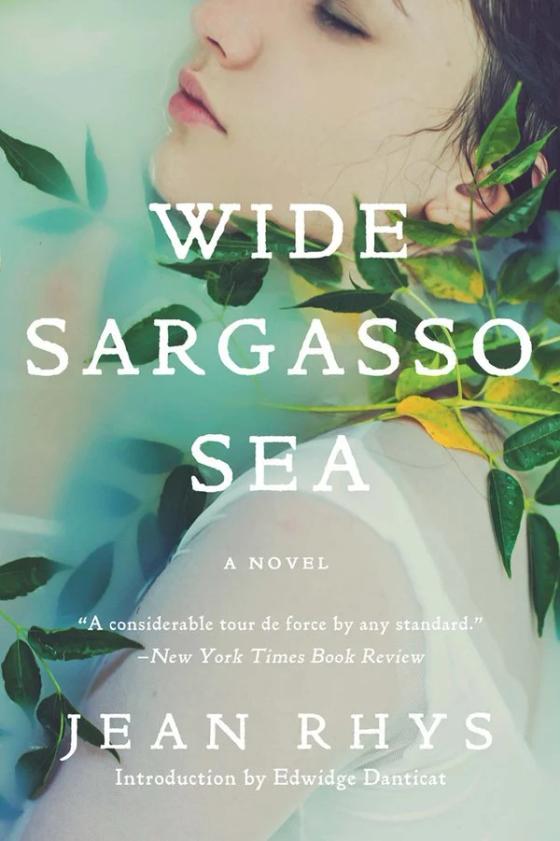
Wide Sargasso Sea
by Jean Rhys
Brontë locked her up. Rhys set her free.
For you if
you've ever wondered whose story gets written and whose gets locked away.
⚡ Choose Your Route ⚡
Not sold directly on this site. Support indie bookstores with a new copy, or go sustainable with a used one.
Buy New on Bookshop.orgSupports independent bookstores
— OR —
Find Used on Better World BooksSecondhand & sustainable
$27 MSRP · Paperback
Reference price shown. Other editions may be available.
*Wide Sargasso Sea* begins where *Jane Eyre* refuses to — with the woman Brontë locked in the attic, before Rochester renamed her Bertha and decided she was mad. Jean Rhys published this in 1966. In doing so, she performed the most precise act of literary decolonization of the 20th century: she walked back into the room *Jane Eyre* needed to stay locked. Antoinette Cosway is a white Creole heiress in 1840s Jamaica, in the years just after the Emancipation Act upended the plantation economy and left families like hers stranded — despised by the English as too colonial, mistrusted by the newly freed Black community as too white, belonging nowhere. When a young English man marries her for her inheritance and takes her to England, she loses her name, her country, her history, and eventually the right to tell her own story. Rhys doesn't write a rebuttal to Brontë. She writes through *Jane Eyre* from the other side — showing what the novel looks like when you follow the character English literature decided to make unspeakable. Rochester is here, recognizable and unreliable. But this time the reader is inside Antoinette's head. The novel is 190 pages and reads like a dream or a possession. Rhys grew up in Dominica, white Creole herself, spent decades caught between the Caribbean and England, and wrote this in her 70s after twenty years of near-total literary obscurity. It is not, by any honest reading, the story of a madwoman. It is the story of what it costs to be called one.
Where This Book Lives
- Setting
- Jamaica • Caribbean
- Voice
- Written by a Jamaican author
Rhys grew up in Dominica as a white Creole — belonging fully to neither England nor the Caribbean, a position the novel inhabits completely. She knew this story from the inside in ways Brontë could not. One seam worth naming: the novel is a postcolonial intervention, but it's written by a white Creole woman, and some of its most important figures — particularly Christophine, the Caribbean woman who serves Antoinette and is arguably the wisest person in the book — remain somewhat peripheral even here. The critic Gayatri Spivak made this argument in 1985: *Wide Sargasso Sea* can't entirely escape the imperial logic it critiques. P&P names it not to undercut the book but because it makes the book more interesting. Who does *Wide Sargasso Sea* let speak, and who does it still ask to wait? That question is worth sitting with.
Related Viewing
Shares a topic, theme, or setting with this book in the catalog.
Black Girl (La Noire de…)(1966)
dir. Ousmane Sembène
Same themes: Colonialism's Legacy, Postcolonial Identity
Colonialism fits in one apartment.
Diouana, a young Senegalese woman, takes a job as a nanny for a white French couple in Dakar, then follows them to the Riviera expecting a new life. Instead she becomes a maid shut in their flat, watched and owned. It is one of the first great African films and runs about an hour.
Why it’s here: The film makes the colonial relationship small enough to see: one flat, one woman, one mask on a wall. What's punk is Sembène, a Senegalese director, making the film the French would not, with independence barely won and the old arrangements intact. What's pedagogical is the use of space and silence: you read power from where people are allowed to stand. Pairs with Xala, already in the catalog.
Where to watch: HBO Max and Plex (free with ads); rent Amazon, Apple TV, Fandango At HomeLetterboxd ↗
Aristotle and Dante Discover the Secrets of the Universe(2023)
dir. Aitch Alberto
Same theme: Identity and Belonging
One summer, secrets neither boy knew he had.
In 1987 El Paso, two Mexican-American teenage loners strike up a friendship that cracks open everything one of them has spent years keeping carefully closed off — including who he is. Adapted from Benjamin Alire Sáenz's novel.
Why it’s here: Punk in its tenderness rather than its edge — a bilingual, bicultural, queer coming-of-age story that doesn't need trauma to justify its own gentleness. Pedagogical in showing how friendship can crack open a kid who's spent years protecting himself by staying closed.
Where to watch: Streaming on Disney+, HuluLetterboxd ↗
Same event, different angle
The same history — told by someone who saw it differently.
Gulliver's Travels
Jonathan Swift

Swift's mean, necessary joke about rulers.
✦ READ – REFLECT → RESIST
Texaco
Patrick Chamoiseau
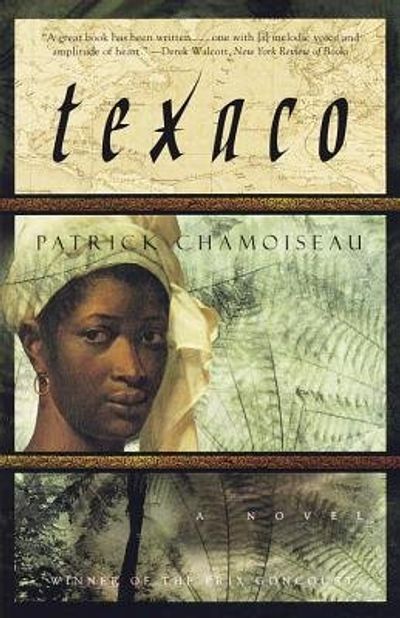
A squatter community tells its story to the man sent to demolish it.
✦ READ – REFLECT → RESIST
A Small Place
Jamaica Kincaid

The tourist brochure, answered.
✦ READ – REFLECT → RESIST
Capitalism and Slavery
Eric Williams
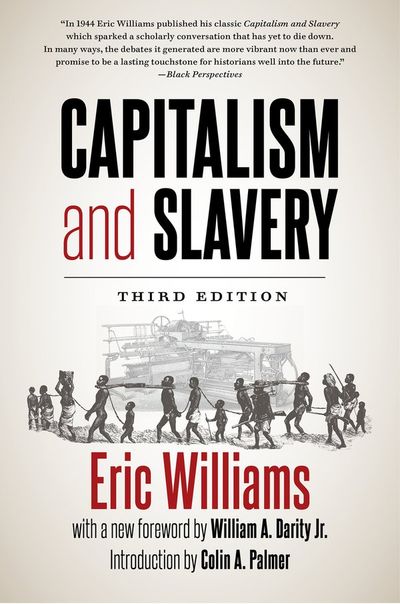
Slavery didn't fund empire. Slavery WAS empire.
✦ READ – REFLECT → RESIST
Same pattern, different era
Different time, different place. The same thing keeps happening.
Aristophanes' Lysistrata: A Dual Language Edition
Aristophanes
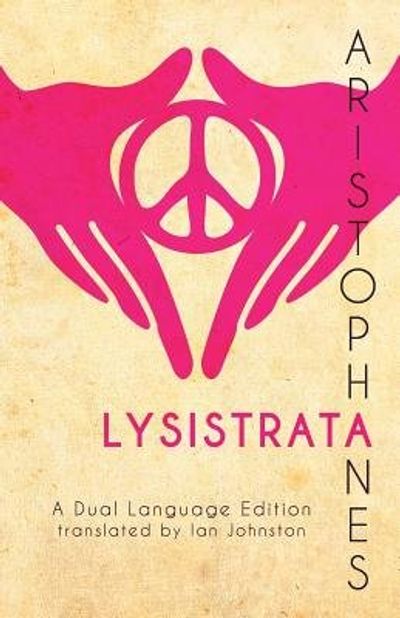
The oldest sex strike in history. Still works.
✦ READ – REFLECT → RESIST
Xala
Ousmane Sembène
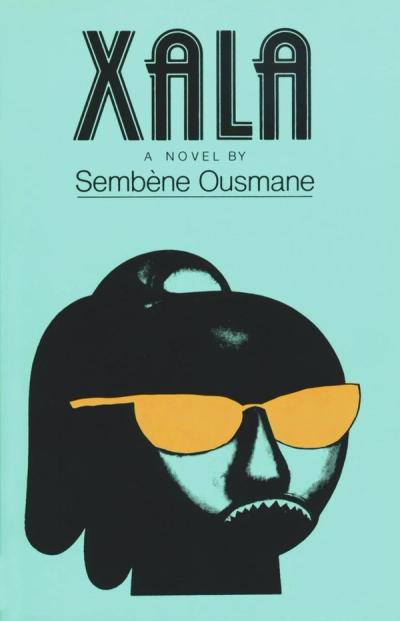
Cursed on his wedding night. The cure is everything.
✦ READ – REFLECT → RESIST
After the Fire
Will Hill
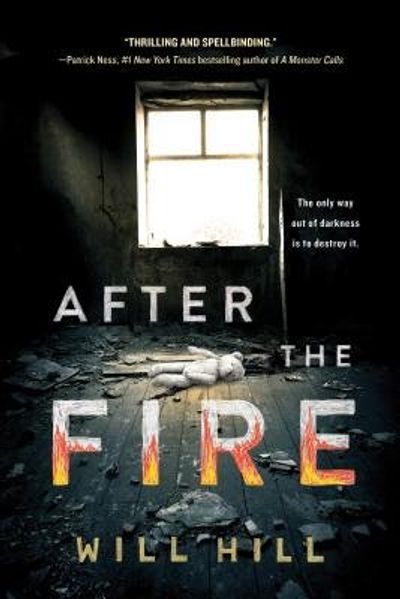
She grew up in the cult. Then the FBI came. Then the fire.
✦ READ – REFLECT → RESIST
A Small Place
Jamaica Kincaid
The tourist brochure, answered.
✦ READ – REFLECT → RESIST
For the family bookshelf
Same idea, written for a younger reader. Good for reading together.
Brown Girl Dreaming
Jacqueline Woodson
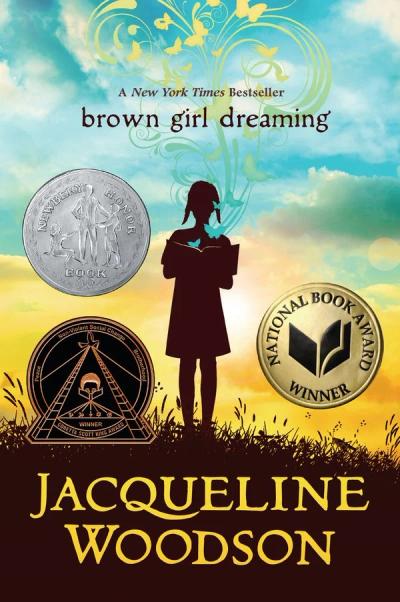
A Black girlhood in verse — history you can feel.
✦ READ – REFLECT → RESIST
Other Words for Home
Jasmine Warga
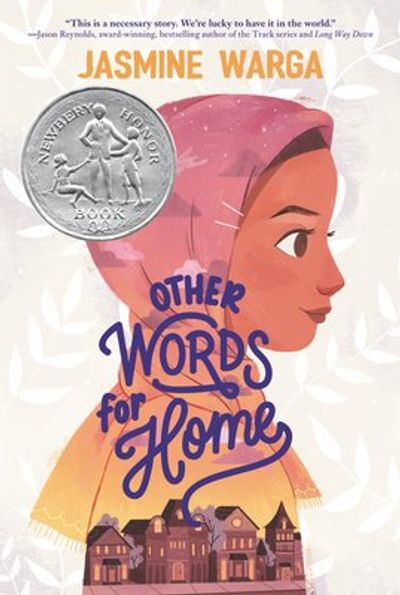
A Syrian girl’s first year in America.
✦ READ – REFLECT → RESIST
The Cemetery Boys
Heather Brewer
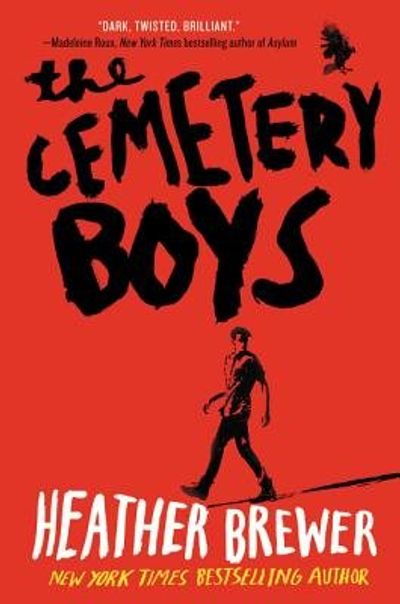
Small town. Local legend. Everyone believes. He almost does too.
✦ READ – REFLECT → RESIST
Sulwe
Lupita Nyong'o
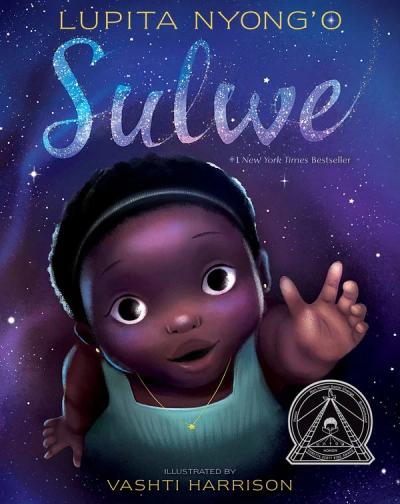
The darkest star learns to shine.
✦ READ – REFLECT → RESIST