
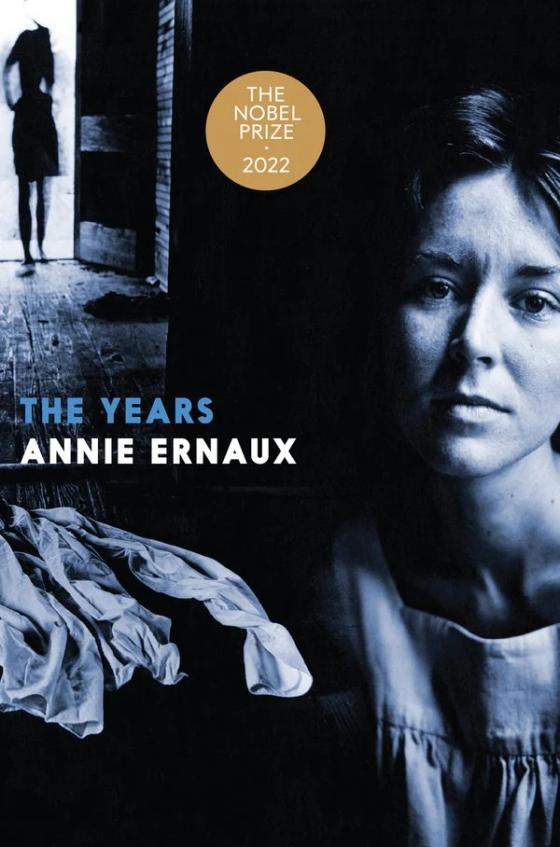
The Years
by Annie Ernaux
A woman's life is always a generation's history.
For you if
you've watched an era end and can't say exactly when it happened
⚡ Choose Your Route ⚡
Not sold directly on this site. Support indie bookstores with a new copy, or go sustainable with a used one.
Find Used on Better World BooksSecondhand & sustainable
$18 MSRP · Paperback
Reference price shown. Other editions may be available.
The Years is not a memoir in the conventional sense — there is no "I" in it, or rather, the "I" has been dissolved into a collective "we." Ernaux traces the arc of a French woman's life from 1941 to 2006 by moving through the images that survive in memory — family photographs, advertising slogans, political slogans, the names of songs and films and politicians — and asking what remains when a life is also always a history. The method is archaeological: she reconstructs consciousness from its debris. The result is both intimate and enormous — one woman's experience made into a map of an entire generation's passage through consumer capitalism, feminism, May '68, and the slow erosion of the collective. Ernaux won the Nobel Prize in Literature in 2022, and this is the book that made the case.
Where This Book Lives
- Setting
- France
- Voice
- Written by a French author
Ernaux did something technically almost impossible: she wrote a book with no first-person narrator that is unmistakably intimate. The "we" of The Years is a rhetorical gamble — it fuses the author's experience with the experience of her entire generation, and it works because the details are precise enough that you can't help finding yourself in them. The feminism is structural, not argued: Ernaux shows you what a woman's life looked like before and after the pill, before and after '68, before and after the left ran out of ideas. The politics are not separate from the texture — they are the texture. One note: Ernaux's public positions (pro-Palestine, BDS support) have made her divisive in France and elsewhere; some readers will need to hold that alongside the work. We think the work is worth it. This is the book for anyone who has tried to explain how we got here and found language inadequate.
Related Viewing
Shares a topic, theme, or setting with this book in the catalog.
Faces Places(2017)
dir. Agnès Varda & JR
Same country: France · Same theme: Memory and Nostalgia
Giant portraits, ordinary people, pure joy.
Agnès Varda, in her late eighties, and the street artist JR road-trip across rural France in a photo-booth truck, printing enormous portraits of the people they meet, such as a goat farmer, miners' families and dockworkers' wives, and pasting them on barns, shipping containers and condemned houses. It is a documentary about what happens when an artist treats an ordinary person's face as the monument. It was nominated for the Oscar for Best Documentary Feature.
Why it’s here: The film argues that who gets a monument is a political choice, then spends ninety minutes making the people history usually skips into one. What's punk is the DIY mobility and the refusal of the gallery; what's pedagogical is the lesson that attention is a form of respect and art can be a community act. It's also unusually joyful, which is its own kind of resistance.
Where to watch: Free on Kanopy, Tubi; rent Apple TV, AmazonLetterboxd ↗
At War / En guerre(2018)
dir. Stéphane Brizé
Same country: France
The plant is profitable. It closes anyway.
Laurent Amédéo leads 1,100 workers at the Perrin plant — a facility that is profitable, whose multinational parent company has decided to close anyway. Stéphane Brizé shoots En guerre with the grain and rhythm of a documentary: non-professional actors in most roles, a handheld camera that can't find a comfortable distance, meetings that go nowhere for a very long time. Vincent Lindon is the union spokesperson who has to translate collective fury into procedure and back again, day after day. The film covers one stretch of a fight that most films would compress into a montage — the press conferences, the back-channel negotiations, the vote counts, the waiting.
Why it’s here: Brizé makes you sit in the room where a decision is being made about other people's lives by people who will never meet them. What's punk about En guerre is the refusal to let that feel abstract — the camera stays at plant-gate level, in the meeting room, on Laurent's face when the call comes in. What's pedagogical is the film's insistence on duration: you feel what it costs to keep a collective together when the institution on the other side is patient and the workers are not. For anyone who has been told that workers in France are just wired differently, that solidarity at this scale isn't something available to us — this film shows the material conditions that make it possible. And it shows what it costs even there.
Where to watch: Free on Tubi, Kanopy, HooplaLetterboxd ↗
Same event, different angle
The same history — told by someone who saw it differently.
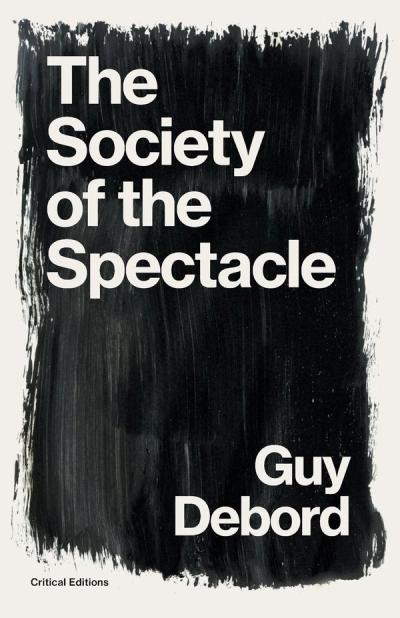
Same pattern, different era
Different time, different place. The same thing keeps happening.
A Year of Biblical Womanhood
Rachel Held Evans
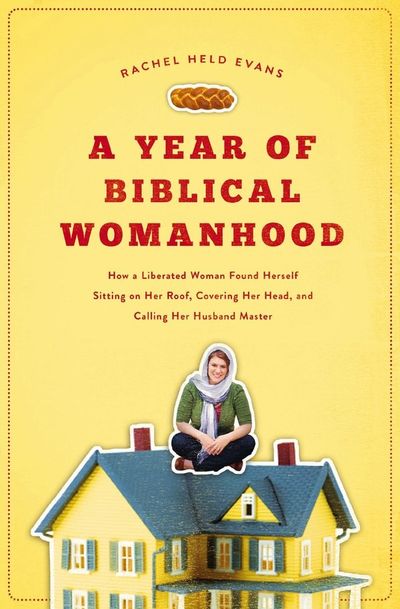
She followed the rules. The rules lost.
✦ READ – REFLECT → RESIST
Abolition. Feminism. Now.
Angela Y. Davis, Gina Dent, Erica R. Meiners & Beth E. Richie
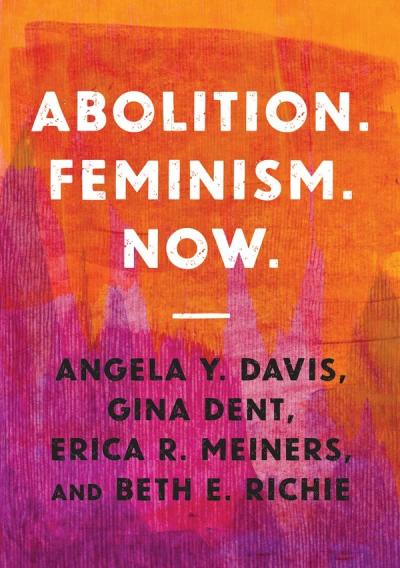
Safety without cages, built by feminists.
✦ READ – REFLECT → RESIST
Aristophanes' Lysistrata: A Dual Language Edition
Aristophanes
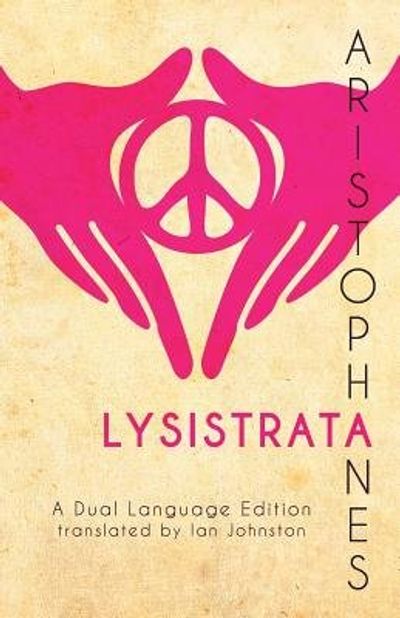
The oldest sex strike in history. Still works.
✦ READ – REFLECT → RESIST
Bartleby, the Scrivener
Herman Melville
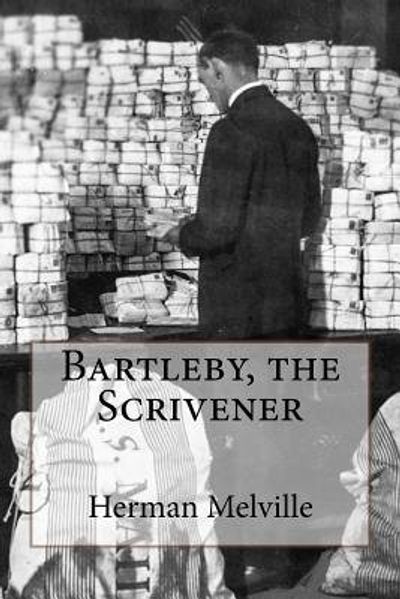
"I would prefer not to," the original refusal.
✦ READ – REFLECT → RESIST
Flip the lens
Same country. Now hear it from the other side.
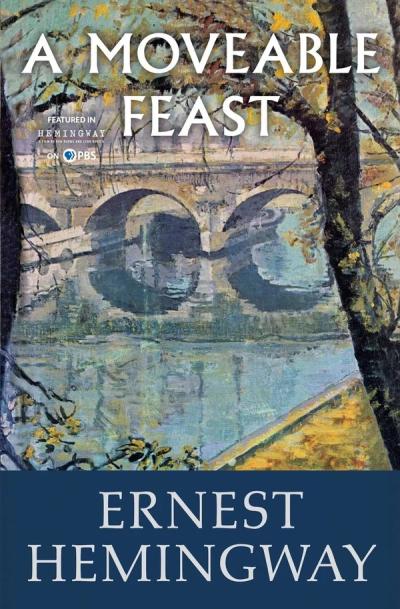
For the family bookshelf
Same idea, written for a younger reader. Good for reading together.
We Should All Be Feminists
Chimamanda Ngozi Adichie
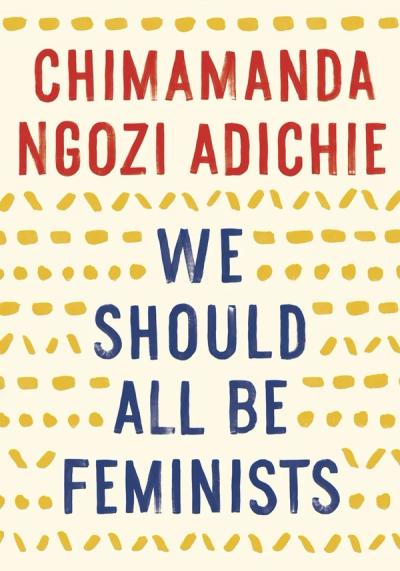
Equality, but make it obvious.
✦ READ – REFLECT → RESIST
Islandborn
Junot Día
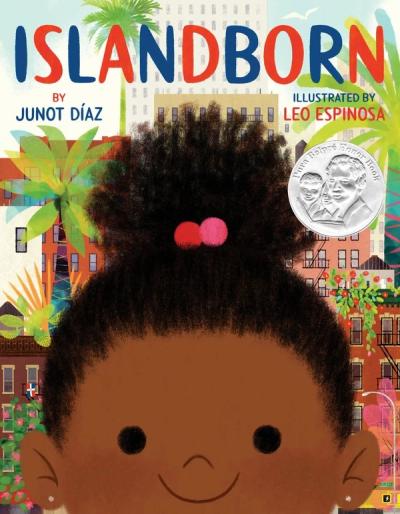
A girl tries to remember the island she left as a baby.
✦ READ – REFLECT → RESIST
The Giver
Lois Lowry
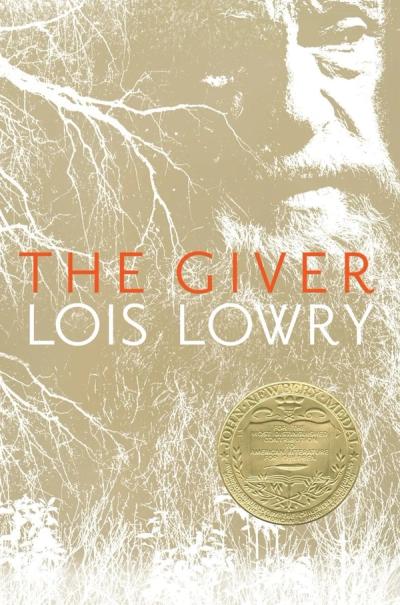
Memory is what they banned. He got it anyway.
✦ READ – REFLECT → RESIST
Feed
M.T. Anderson
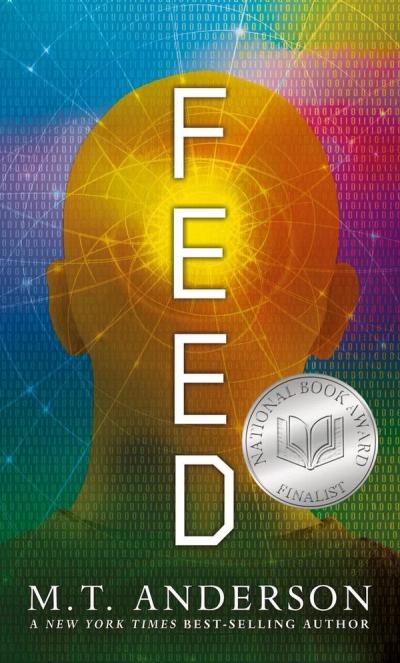
The internet is inside their heads. One girl tries to break free.
✦ READ – REFLECT → RESIST