The Orphan Master's Son
by Adam Johnson
A state that can rewrite who you are.
For you if
you've seen what a government can do to the truth.
⚡ Choose Your Route ⚡
Not sold directly on this site. Support indie bookstores with a new copy, or go sustainable with a used one.
Buy New on Bookshop.orgSupports independent bookstores
— OR —
Find Used on Better World BooksSecondhand & sustainable
$19 MSRP · Paperback
Reference price shown. Other editions may be available.
Pak Jun Do grows up in a North Korean orphanage that isn't an orphanage, and the state keeps handing him new names and new lives: kidnapper, translator, prisoner, and finally a man who takes another man's identity. Johnson builds a country where propaganda is the weather and the self is a thing the government can reassign. It's funny, brutal and tender, and it won the Pulitzer.
Where This Book Lives
Pass with note: Johnson is an American novelist who researched North Korea from outside, and he reaches for invention where the record runs out, so treat it as a novel and not reportage. It's violent. Read it beside Nothing to Envy and Dear Leader, which come from people who lived it.
Related Viewing
Shares a topic, theme, or setting with this book in the catalog.
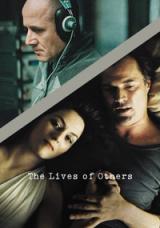
The Lives of Others(2006)
dir. Florian Henckel von Donnersmarck
Same themes: Authoritarianism, State Surveillance
The watcher who learns to look away.
East Berlin, 1984. A Stasi captain is assigned to bug a playwright and his actress partner, a job that is really about a minister's appetite for a woman. As he listens to their lives through headphones, the surveillance state's most loyal listener starts to be changed by what he hears. It won the Oscar for Best Foreign Language Film.
Why it’s here: The film shows what surveillance costs on both sides of the wire: the artists who learn which friends to stop trusting, and the watcher who learns what he's been protecting. What's punk is that it puts a state functionary's conscience on trial without letting the state off. What's pedagogical is the machinery: files, informers, careers decided by a phone call. It makes a bureaucracy of fear feel real in ways a textbook never does.
Where to watch: Rent on Apple TV, AmazonLetterboxd ↗
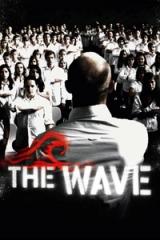
The Wave (Die Welle)(2008)
dir. Dennis Gansel
Same themes: Authoritarianism, Propaganda
Fascism in a high school classroom, in a week.
A German high school teacher who is assigned to teach 'autocracy' runs a week-long classroom experiment: discipline, a uniform, a salute, a name. The class starts calling themselves The Wave, and within days the experiment stops being one. It is based on a real 1967 California classroom exercise and Todd Strasser's novel, moved to modern Germany.
Why it’s here: The film's whole argument is that a group of ordinary teenagers doesn't need history's villains to build a movement of belonging and exclusion, just a teacher, a uniform and a promise to be part of something. What's punk is that it is aimed at the audience's comfort: you are not immune. What's pedagogical is the experiment itself, which is easy to run, easy to discuss and hard to forget. It is the natural companion for How Fascism Works and They Thought They Were Free.
Where to watch: Free on KanopyLetterboxd ↗
Same event, different angle
The same history — told by someone who saw it differently.
Nuclear War: A Scenario
Annie Jacobsen
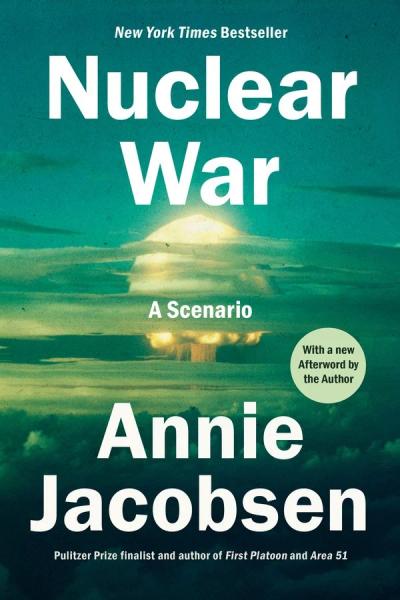
72 minutes to the end of everything.
✦ READ – REFLECT → RESIST
North Korea Journal
Michael Palin
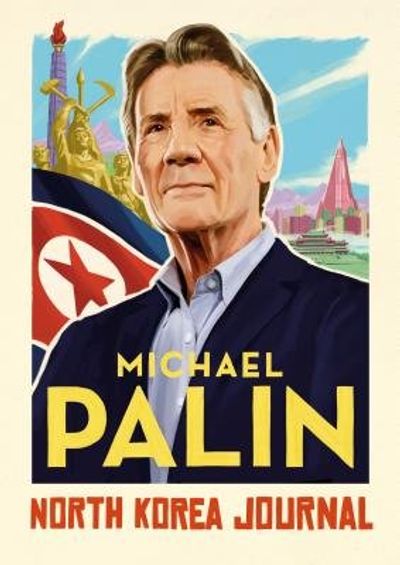
What a visitor is allowed to see, honestly reported.
✦ READ – REFLECT → RESIST
Without You There Is No Us
Suki Kim
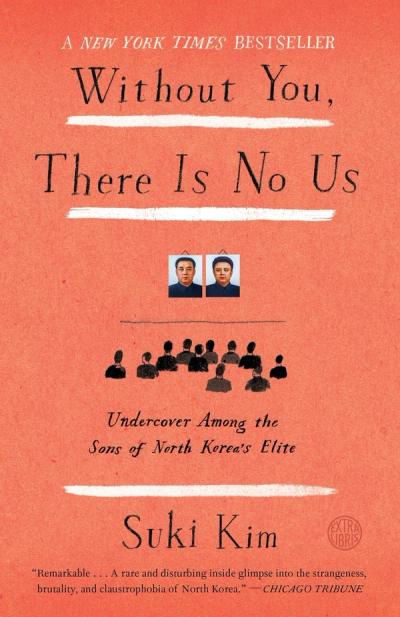
Teaching English to Pyongyang's elite. Undercover.
✦ READ – REFLECT → RESIST
Dear Leader
Jang Jin-sung
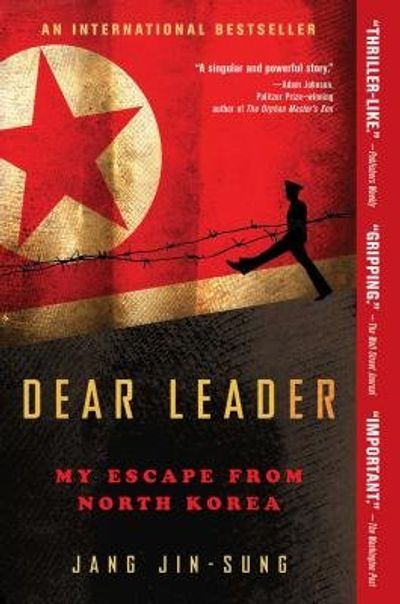
Kim Jong-il's poet defects with the secrets.
✦ READ – REFLECT → RESIST
Same pattern, different era
Different time, different place. The same thing keeps happening.
Autocracy, Inc.: The Dictators Who Want to Run the World
Anne Applebaum
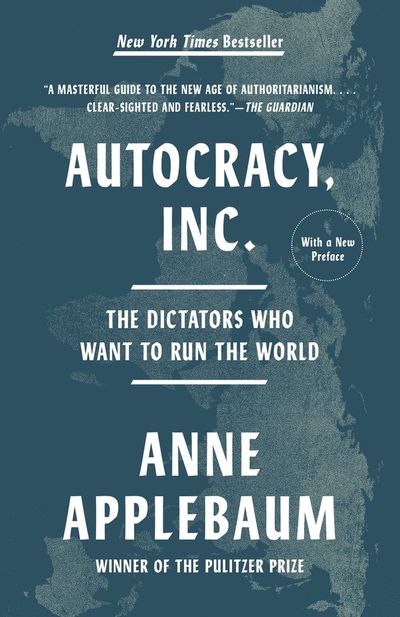
The network behind every strongman.
✦ READ – REFLECT → RESIST
The Hidden Persuaders
Vance Packard
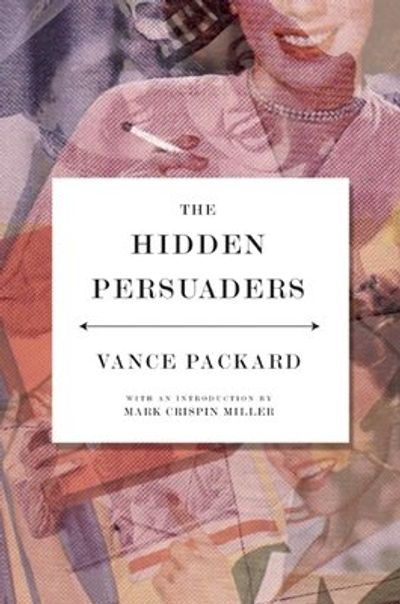
Your desires were engineered. You just lived them.
✦ READ – REFLECT → RESIST
How to Be a Fascist: A Manual
Michela Murgia
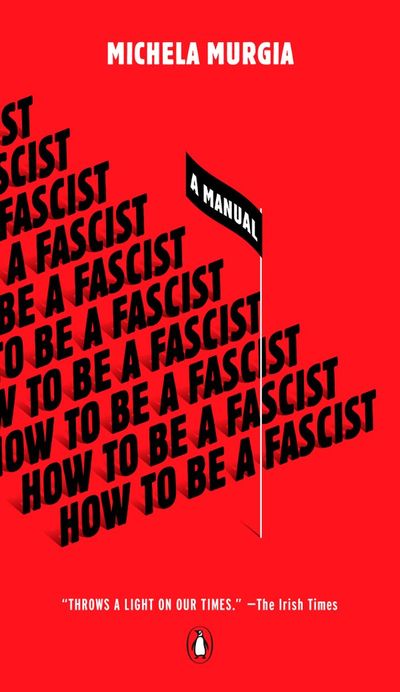
The fascist media playbook, step by step.
✦ READ – REFLECT → RESIST
Merchants of Doubt
Naomi Oreskes & Erik M. Conway
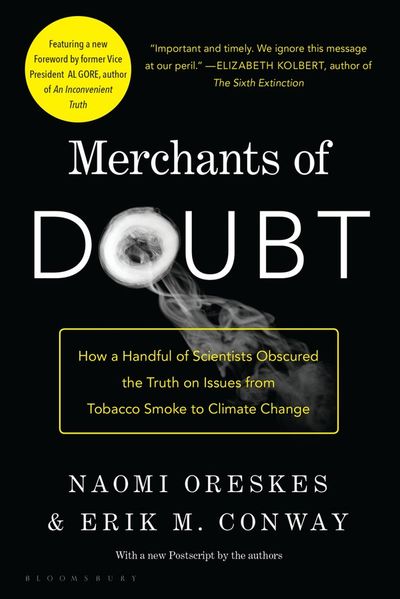
How doubt gets manufactured on purpose.
✦ READ – REFLECT → RESIST
For the family bookshelf
Same idea, written for a younger reader. Good for reading together.