
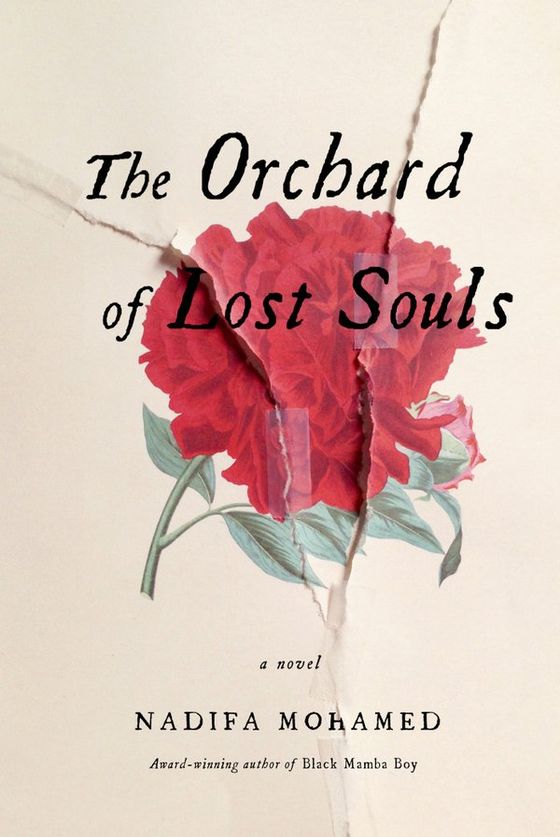
The Orchard of Lost Souls
by Nadifa Mohamed
Three women in Hargeisa before the bombs fell.
For you if
you have never read a novel set in Somaliland.
⚡ Choose Your Route ⚡
Not sold directly on this site. Support indie bookstores with a new copy, or go sustainable with a used one.
Buy New on Bookshop.orgSupports independent bookstores
— OR —
Find Used on Better World BooksSecondhand & sustainable
$17 MSRP · Paperback
Reference price shown. Other editions may be available.
Hargeisa, Somaliland, in 1988. Three women share a city that is about to be bombed by its own government: a widow who has outlived the last war, a young girl who hides from a soldier's gaze, and a soldier who is learning what her uniform makes her. Mohamed draws the days before the air raids and the first year after, in a city most readers have never been shown.
Where This Book Lives
Pass. Includes war violence, bombing, sexual threat and loss; adult shelf. Mohamed is a British-Somali writer and the book draws on family history. No documented author concerns. Fills a gap on the Horn of Africa and on state violence against its own citizens. Close relatives: The Shadow King and A Long Way Gone.
Related Viewing
Shares a topic, theme, or setting with this book in the catalog.
Cameraperson(2016)
dir. Kirsten Johnson
Same themes: Grief and Loss, War and Atrocity
A cinematographer's outtakes, and what they owe.
Kirsten Johnson has shot documentaries across Bosnia, Rwanda, Afghanistan, Liberia and the United States, and here she cuts together the footage that never made it into the finished films. There's a birth, a wedding, a dying mother, a sniper's view. It is a memoir in outtakes, and it asks what the person holding the camera owes to the person in front of it.
Why it’s here: The film turns the camera around on the person behind it, and asks what it means to film other people's worst days. What's punk is that it refuses the authority of a neutral observer. What's pedagogical is that it's a direct lesson in media literacy, since it shows how footage becomes a story. It matches the film-craft shelf and pairs with Faces Places and Hale County This Morning, This Evening.
Where to watch: HBO Max (subscription); rent $3.99 on Amazon, Apple TV and Fandango At Home (JustWatch US, Oct 2026)Letterboxd ↗
Nostalgia for the Light(2010)
dir. Patricio Guzmán
Same themes: Courage, Grief and Loss
Astronomers and mothers dig the same desert.
In Chile's Atacama Desert astronomers use the clearest skies on Earth to study the origins of the universe. In the same sand, women are still searching for the bones of relatives disposed of by Pinochet's dictatorship. Guzmán puts them in the same frame: people looking up at stars thirteen billion years old, and people on their knees looking for forty-year-old remains.
Why it’s here: The film makes the case that a country's past has to be dug up before it can be put to rest. What's punk is the women with their small shovels, who outlast the state's silence. What's pedagogical is the way it joins deep time and recent history and invites students to ask who gets to be an archaeologist of their own country. Sits beside Chile-adjacent books like The House of the Spirits. Note: availability data is about eleven weeks old, so re-check.
Where to watch: Free on Kanopy and Hoopla; OVID; rent $3.99 on Amazon, $4.99 on Apple TV (JustWatch US, last checked Aug 12 2026; re-check)Letterboxd ↗
Same pattern, different era
Different time, different place. The same thing keeps happening.
A Pattern Language: Towns, Buildings, Construction
Christopher Alexander et al.
253 patterns for designing a place people can live in.
✦ READ – REFLECT → RESIST
A Peace to End All Peace: The Fall of the Ottoman Empire and the Creation of the Modern Middle East
David Fromkin
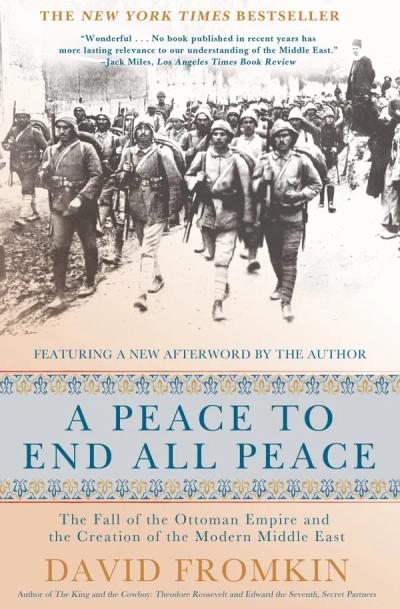
The deals that drew the Middle East in a hurry.
✦ READ – REFLECT → RESIST
Anger Is a Gift
Mark Oshiro
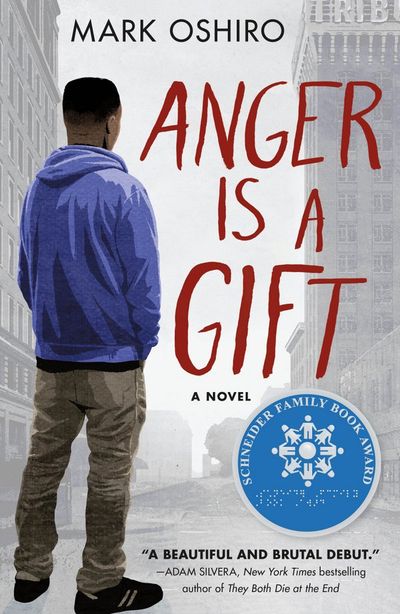
The anger you've been told to put down.
✦ READ – REFLECT → RESIST
Bird by Bird: Some Instructions on Writing and Life
Anne Lamott
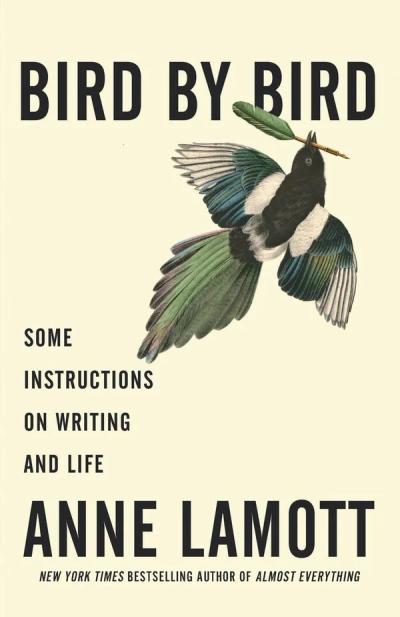
Write the terrible first draft. One bird at a time.
✦ READ – REFLECT → RESIST
For the family bookshelf
Same idea, written for a younger reader. Good for reading together.
A Different Pond
Bao Phi
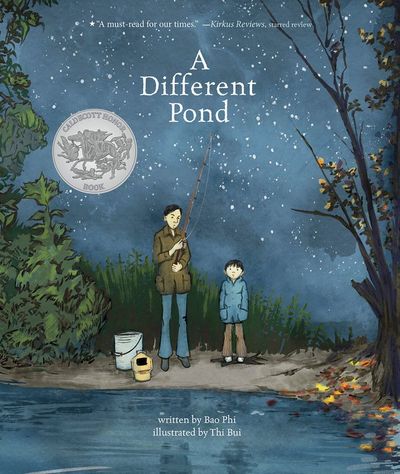
A refugee dad, a fishing pole, and 4 a.m.
✦ READ – REFLECT → RESIST
Ada's Violin: The Story of the Recycled Orchestra of Paraguay
Susan Hood
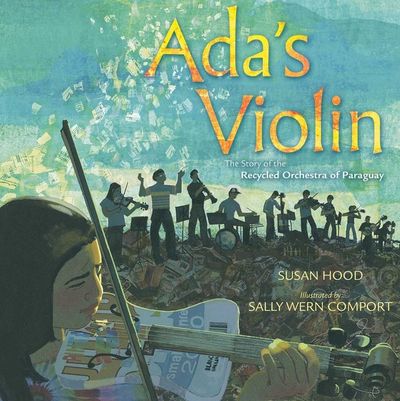
A violin made from a landfill. A real orchestra.
✦ READ – REFLECT → RESIST
Akata Witch
Nnedi Okorafor
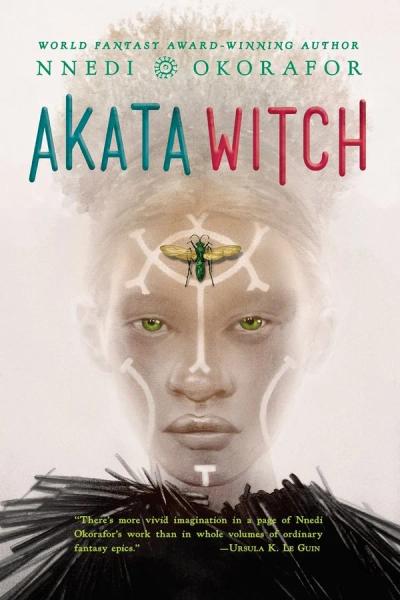
A girl who doesn't fit finds a hidden world.
✦ READ – REFLECT → RESIST
Amal Unbound
Aisha Saeed
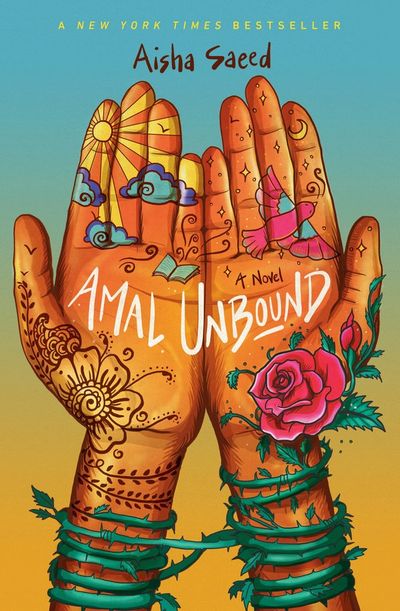
The debt wasn't hers. The cage is.
✦ READ – REFLECT → RESIST