
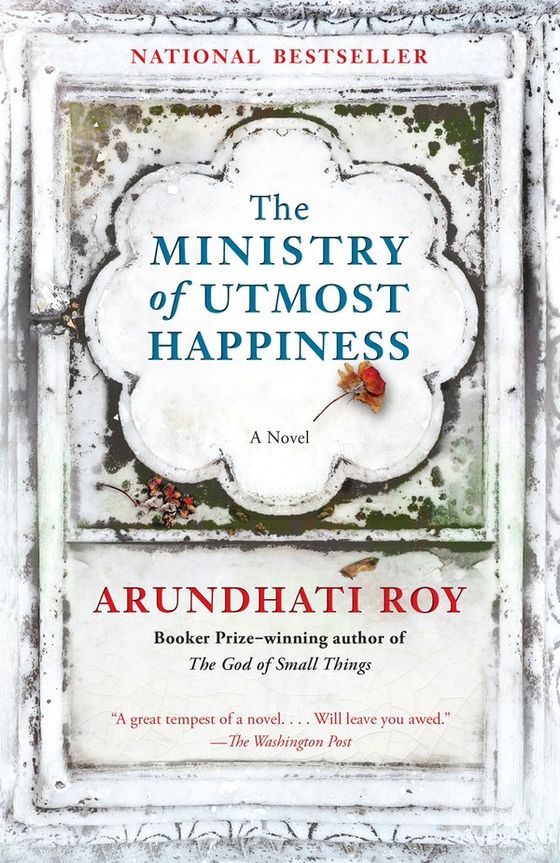
The Ministry of Utmost Happiness
by Arundhati Roy
A graveyard guesthouse in a country at war with itself.
For you if
you've ever built a home out of the people the world threw away.
⚡ Choose Your Route ⚡
Not sold directly on this site. Support indie bookstores with a new copy, or go sustainable with a used one.
Buy New on Bookshop.orgSupports independent bookstores
— OR —
Find Used on Better World BooksSecondhand & sustainable
$19 MSRP · Paperback
Reference price shown. Other editions may be available.
A hijra woman moves into a Delhi graveyard and builds a guesthouse for the people nobody wants, while a Kashmiri uprising, a failed romance and a war of nerves close in on a handful of friends. Roy's second novel, twenty years after The God of Small Things, spreads out across decades of Indian life, from the slums to the checkpoints, and finds love and a stubborn kind of joy in the places where the state has given up.
Where This Book Lives
- Setting
- India • South Asia
- Voice
- Written by an Indian author
Pass with note. Sprawling, non-linear and often bleak, with state violence in Kashmir, sexual violence and a cast that shifts. Roy has been threatened with prosecution in India under anti-terror law over a 2010 speech, which is part of her public record, not a seam. Adds Kashmir and a hijra protagonist to the catalog. Close relatives: The God of Small Things, The Inheritance of Loss, A Fine Balance and Curfewed Night.
Related Viewing
Shares a topic or setting with this book, or several of its themes.
Gully Boy(2019)
dir. Zoya Akhtar
Same country: India · Same themes: Community, Courage
A Mumbai slum kid finds his voice in hip-hop.
Murad is a young man from a Mumbai slum, driven by a father who wants him to take a steady job and a world that expects him to stay in his place. He starts writing rhymes, meets a street rapper and slowly finds a voice. Inspired by the real Mumbai hip-hop scene, in particular the rappers Naezy and Divine, Akhtar's film is a Bollywood-sized musical drama about class, ambition and what you do with a mic.
Why it’s here: It's a film about a kid who finds out his own life is material. What's punk is that the music comes from the gully, not from a studio, and the film is full of the real language of a neighborhood that gets ignored. What's pedagogical is how clearly it shows class as a map of who gets to be heard, and how making something is a way to be counted. Note: long, musical, standard Bollywood structure and some melodrama; some domestic conflict and a violent scene. Hindi and Urdu with subtitles. Good global-voice pick for a family with older kids, and an India film in a catalog that has books on it but few films. Close relatives: The White Tiger and Salaam Bombay! (suggested 10-22).
Where to watch: Netflix ($8.99/mo with ads, $19.99/mo standard); rent $3.99 Apple TV; buy $12.99 Apple TV (JustWatch US, checked 2026-11-10). Verify.Letterboxd ↗

Jai Bhim(2021)
dir. T. J. Gnanavel
Same country: India · Same themes: Community, Courage
A tribal woman takes on the police. True story.
Based on a real 1990s case in Tamil Nadu: a man from the Irular tribal community is arrested by police on a false theft charge and disappears in custody. His wife, Sengani, goes looking for him, and a lawyer takes the case. A courtroom drama about caste, police violence and what it takes to make an institution answer.
Why it’s here: The film puts caste on screen as a legal system and not a metaphor. What's punk is how it centers a woman nobody would listen to and refuses to let the court be the hero. What's pedagogical is the case file: it shows how a lawyer builds evidence against a state. Pairs with Annihilation of Caste, Ants Among Elephants and Caste. Note: Tamil with subtitles, about 2h45m, and it shows police torture. The release drew a defamation complaint over a calendar image in one scene, and the filmmakers changed it.
Where to watch: Subscription only: Amazon Prime Video; no free, rent or buy option listed (JustWatch US, checked 2026-09-06). Verify.Letterboxd ↗
Same pattern, different era
Different time, different place. The same thing keeps happening.
A Pattern Language: Towns, Buildings, Construction
Christopher Alexander et al.

253 patterns for designing a place people can live in.
✦ READ – REFLECT → RESIST
A Problem from Hell: America and the Age of Genocide
Samantha Power

'Never again,' again and again.
✦ READ – REFLECT → RESIST
Abolition. Feminism. Now.
Angela Y. Davis, Gina Dent, Erica R. Meiners & Beth E. Richie
Safety without cages, built by feminists.
✦ READ – REFLECT → RESIST
All About Me!: My Remarkable Life in Show Business
Mel Brooks
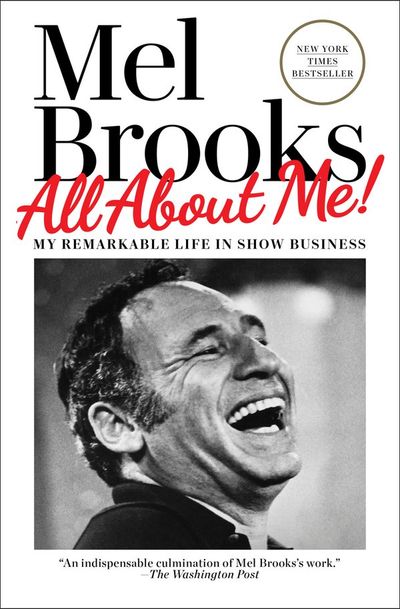
Tyrants hate being laughed at. Mel knew.
✦ READ – REFLECT → RESIST
Flip the lens
Same country. Now hear it from the other side.
Late Victorian Holocausts: El Niño Famines and the Making of the Third World
Mike Davis
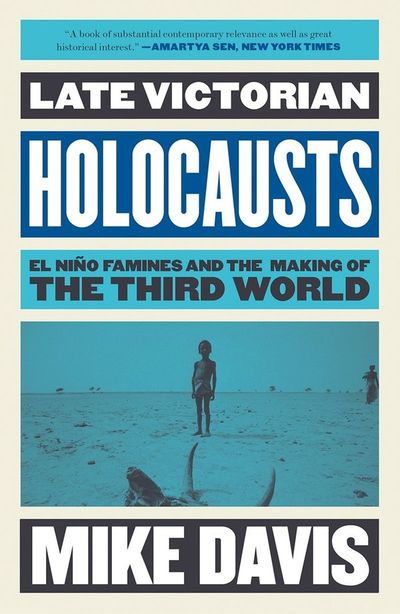
Famine as imperial policy.
✦ READ – REFLECT → RESIST
Behind the Beautiful Forevers
Katherine Boo
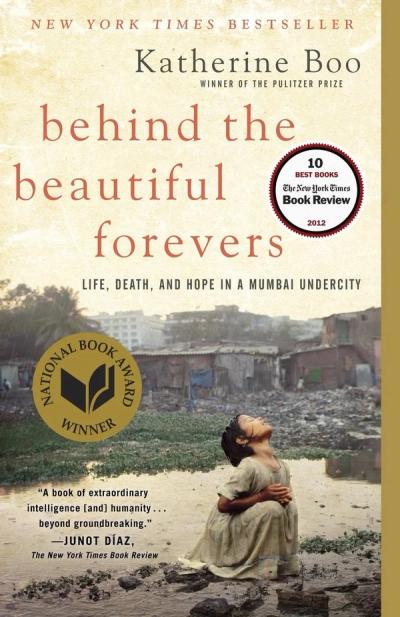
A Mumbai slum in the shadow of luxury hotels. Three years inside.
✦ READ – REFLECT → RESIST
Caste
Isabel Wilkerson
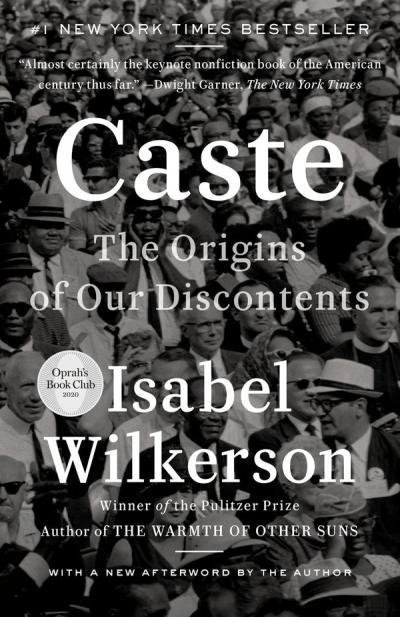
India, America, Nazi Germany. Three caste systems. One logic.
✦ READ – REFLECT → RESIST
Sold
Patricia McCormick
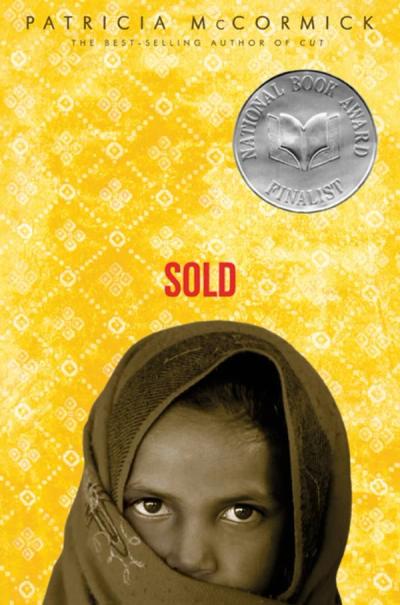
How trafficking actually works. In verse.
✦ READ – REFLECT → RESIST
For the family bookshelf
Same idea, written for a younger reader. Good for reading together.
A Different Pond
Bao Phi

A refugee dad, a fishing pole, and 4 a.m.
✦ READ – REFLECT → RESIST
A Wish in the Dark
Christina Soontornvat
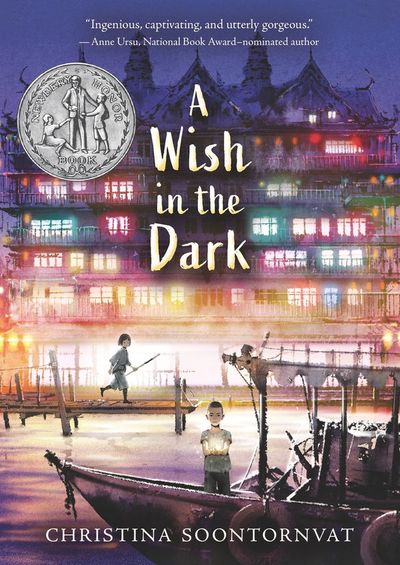
The city's light belongs to those who pay for it.
✦ READ – REFLECT → RESIST
Ada's Violin: The Story of the Recycled Orchestra of Paraguay
Susan Hood
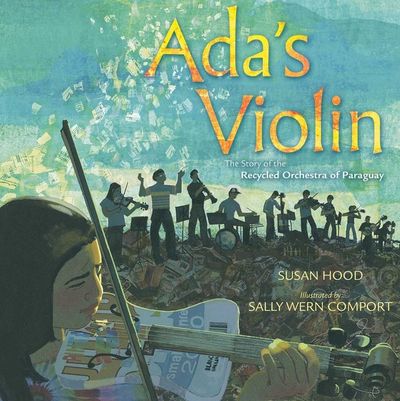
A violin made from a landfill. A real orchestra.
✦ READ – REFLECT → RESIST
Akata Witch
Nnedi Okorafor

A girl who doesn't fit finds a hidden world.
✦ READ – REFLECT → RESIST