
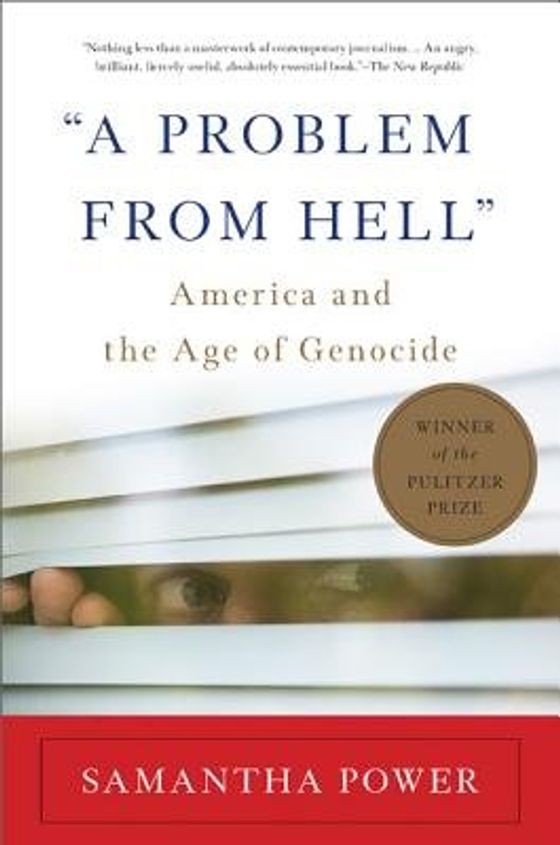
A Problem from Hell: America and the Age of Genocide
by Samantha Power
'Never again,' again and again.
For you if
you want to know why the powerful look away from atrocity.
⚡ Choose Your Route ⚡
Not sold directly on this site. Support indie bookstores with a new copy, or go sustainable with a used one.
Buy New on Bookshop.orgSupports independent bookstores
— OR —
Find Used on Better World BooksSecondhand & sustainable
$20 MSRP · Paperback
Reference price shown. Other editions may be available.
Power asks a question that keeps getting the same answer: why did the world's most powerful country watch genocide happen again and again, from the Armenians to Cambodia, Rwanda and Bosnia? She follows the officials, diplomats and a few stubborn individuals who tried to get Washington to act, and shows how often 'we didn't know' was a choice. It won the Pulitzer, and it is the book to hand anyone who thinks 'never again' is a policy.
Where This Book Lives
Pass with note. Power later served in the Obama administration and as UN ambassador, and her interventionist framing, and later record on Libya and Syria, is debated. The book itself is a heavily sourced indictment of US inaction. Long, grim and graphic; adult shelf. Close relatives: The Jakarta Method, King Leopold's Ghost and Ordinary Men (suggested 10-24).
Related Viewing
Shares a topic, theme, or setting with this book in the catalog.

Exterminate All the Brutes(2021)
dir. Raoul Peck
Same themes: Structural Violence, War and Atrocity
Four hours of the colonial story, unsoftened.
A four-part essay-series by the director of I Am Not Your Negro, following the sentence that Conrad's Kurtz wrote on his report in Heart of Darkness. Peck narrates a history of colonialism, genocide and white supremacy from Columbus to the American West to the Congo, mixing archive footage, animation and staged scenes. It is the story the textbooks soften.
Why it’s here: The series connects things the curriculum keeps apart: colonial violence, slavery, the Holocaust, and the ideas that justified each. What's punk is the refusal of the neutral tone, and the fact that it names the thread. What's pedagogical is that it can be paused, discussed and argued with. Pairs with Discourse on Colonialism, Orientalism and King Leopold's Ghost. Note: it is long, essayistic and dense, and some critics call its sweep too broad.
Where to watch: Hulu (HBO original, 4 episodes, per Hulu series page); verify current US availabilityLetterboxd ↗

Paradise Now(2005)
dir. Hany Abu-Assad
Same themes: Courage, Structural Violence
Two friends, one day, and an argument inside them.
Two childhood friends in Nablus are recruited as suicide bombers and given a day to say goodbye. The film follows them across the checkpoint and through the argument they have with each other, with a woman who objects to the plan, and with themselves. It was nominated for the Oscar for Best Foreign Language Film, and drew protests, including a call to withdraw the nomination.
Why it’s here: The film refuses to treat the bombers as monsters or as heroes, and it makes a viewer sit in the argument. What's punk is the willingness to take the most hated subject and still make it human without making it right. What's pedagogical is the question it leaves open about what an occupation does to a person, which is a thing a student can talk about for hours. Ties to the Palestine bundle. Pairs with No Other Land (suggested 10-28), Mornings in Jenin and 5 Broken Cameras. Note: it is contested, some viewers read it as sympathetic to violence and others as an argument against it; both are worth hearing.
Where to watch: Rent $3.99 / buy $9.99 on Amazon, Apple TV and Fandango At Home per JustWatch US (checked Aug 22 2026); no subscription or free option found.Letterboxd ↗
Same pattern, different era
Different time, different place. The same thing keeps happening.
A Girl Is a Body of Water
Jennifer Nansubuga Makumbi
A Ugandan girl asks who the women before her were.
✦ READ – REFLECT → RESIST
A Pattern Language: Towns, Buildings, Construction
Christopher Alexander et al.
253 patterns for designing a place people can live in.
✦ READ – REFLECT → RESIST
Beauty Is a Wound
Eka Kurniawan
Indonesia's century, told by a woman back from death.
✦ READ – REFLECT → RESIST
Bird by Bird: Some Instructions on Writing and Life
Anne Lamott
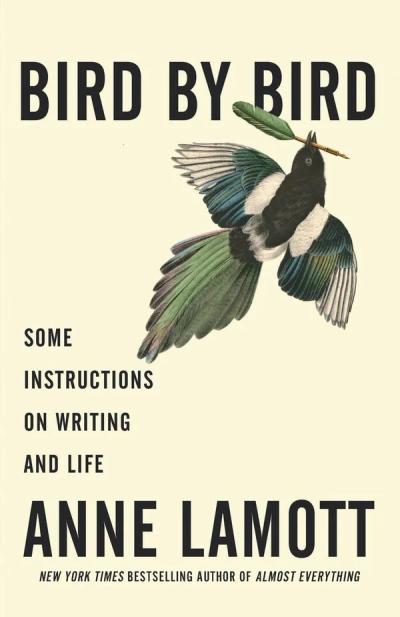
Write the terrible first draft. One bird at a time.
✦ READ – REFLECT → RESIST
For the family bookshelf
Same idea, written for a younger reader. Good for reading together.
Ada's Violin: The Story of the Recycled Orchestra of Paraguay
Susan Hood
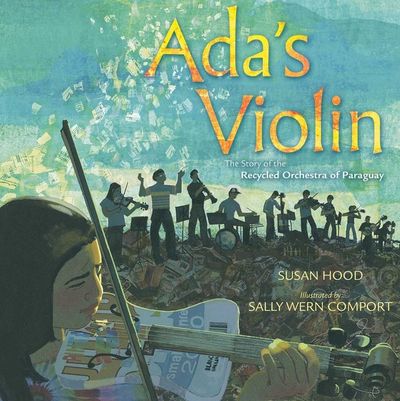
A violin made from a landfill. A real orchestra.
✦ READ – REFLECT → RESIST
Akata Witch
Nnedi Okorafor
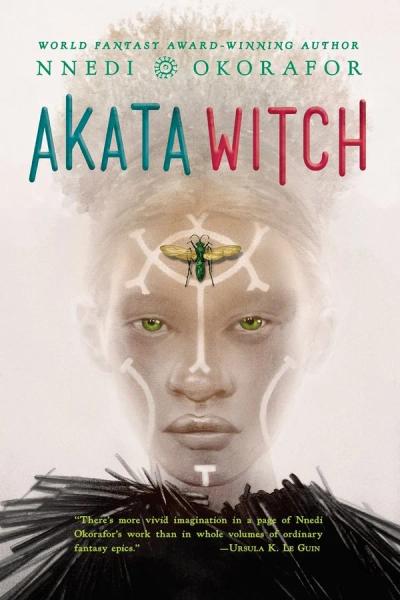
A girl who doesn't fit finds a hidden world.
✦ READ – REFLECT → RESIST
Amal Unbound
Aisha Saeed
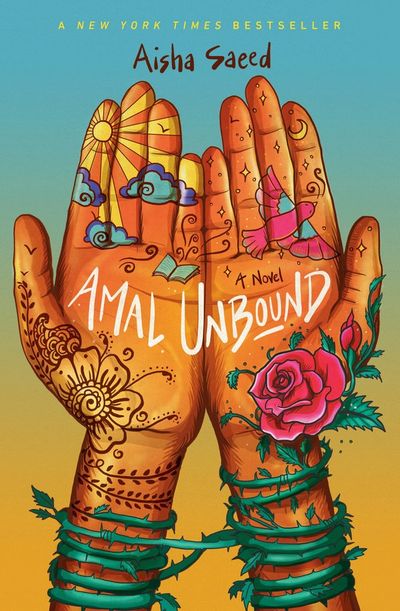
The debt wasn't hers. The cage is.
✦ READ – REFLECT → RESIST
Amazing Grace
Mary Hoffman
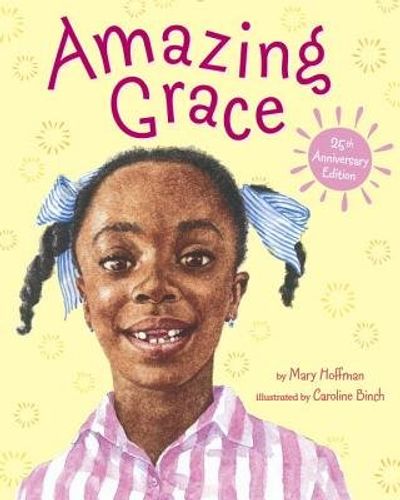
Grace wants to be Peter Pan. Classmates say no.
✦ READ – REFLECT → RESIST