
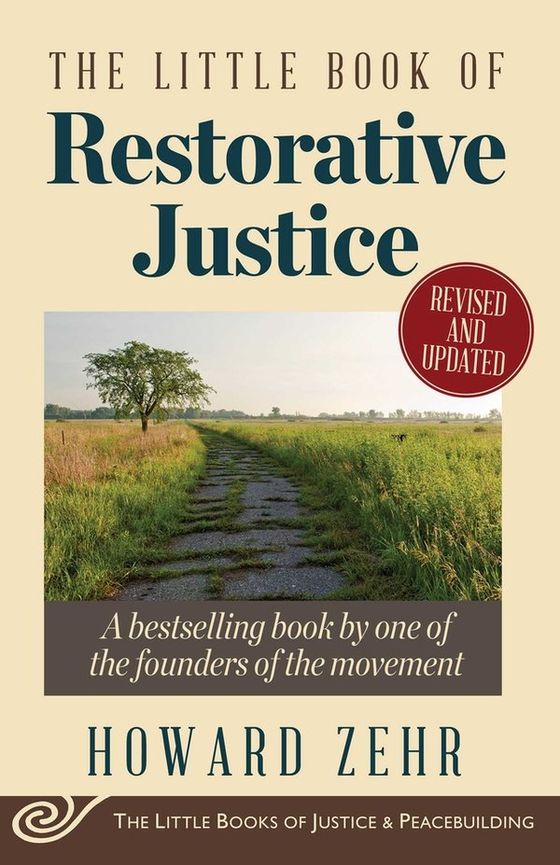
The Little Book of Restorative Justice
by Howard Zehr
Justice that asks what the harm needs.
For you if
you think a kid who breaks something should help fix it.
⚡ Choose Your Route ⚡
Not sold directly on this site. Support indie bookstores with a new copy, or go sustainable with a used one.
Buy New on Bookshop.orgSupports independent bookstores
— OR —
Find Used on Better World BooksSecondhand & sustainable
$8 MSRP · Paperback
Reference price shown. Other editions may be available.
Most justice systems ask what law was broken and how to punish whoever broke it. Zehr asks a different set of questions: who was hurt, what do they need, and whose job is it to put things right. In a short, plain-spoken book he lays out what restorative justice is, how it is used in schools and courts, and what it cannot fix. The field's founder, in about 100 pages.
Where This Book Lives
Pass with note. A small practical primer, not a research review; restorative practice has real limits in cases of ongoing or severe harm, and Zehr says so. No documented author concerns. Close relatives: Abolition. Feminism. Now., Rest Is Resistance and Emergent Strategy. A good companion for the Three Questions conflict framework at DoCR.
Related Viewing
Shares a topic or setting with this book, or several of its themes.
Billy Elliot(2000)
dir. Stephen Daldry
Same themes: Collective Action, Community
A miner's son wants to dance. The strike is on.
In a Durham mining town during the 1984 strike, eleven-year-old Billy is sent to boxing lessons and sneaks into the ballet class next door. His father and brother are on the picket line, and the idea that Billy might dance is almost as hard for them as the strike. It is a family story, a class story and a story about who is allowed to want what.
Why it’s here: It's a film about what a community does with a kid who doesn't fit. What's punk is the strike behind the story: the film doesn't treat the picket line as a backdrop. What's pedagogical is the question it asks at the dinner table: who decides what boys are allowed to love? Pairs with Pride (suggested 10-14), The Ragged-Trousered Philanthropists and Julian Is a Mermaid. Note: strike-era police violence and homophobic and gender-policing insults; PG-13 equivalent (15 in the UK).
Where to watch: Rent $3.99 / buy $14.99 on Amazon, Apple TV, Fandango At Home; no subscription or free option listed (JustWatch US, checked 2026-10-01, so re-check).Letterboxd ↗
Sing Street(2016)
dir. John Carney
Same themes: Collective Action, Community
A Dublin kid starts a band to get the girl.
Dublin, 1985. Fifteen-year-old Conor is moved to a rough Catholic school when his parents run out of money. To impress a girl he starts a band, writes songs and learns to play from the video clips of Duran Duran, The Cure and The Jam. A coming-of-age film about making things before you know how, with a Christian Brothers school as the backdrop.
Why it’s here: It's a film about a kid who starts a band because he can't do anything else. What's punk is the DIY spirit: terrible first songs, a music video shot with a camera and a friend, a brother who teaches him what to listen to. What's pedagogical is how the band lets him say what he can't at home or at school. Pairs with Please Kill Me, England's Dreaming and The First Rule of Punk. Note: PG-13; bullying, a priest who hits kids, and some family strife; set in 1985 Ireland.
Where to watch: Subscription: HBO Max ($10.99/mo), Starz via Apple TV ($11.99/mo); rent $3.99 on Amazon, Apple TV, Fandango At Home; buy $9.99 (JustWatch US, checked 2026-11-06). Verify.Letterboxd ↗
Same pattern, different era
Different time, different place. The same thing keeps happening.
A Girl Is a Body of Water
Jennifer Nansubuga Makumbi
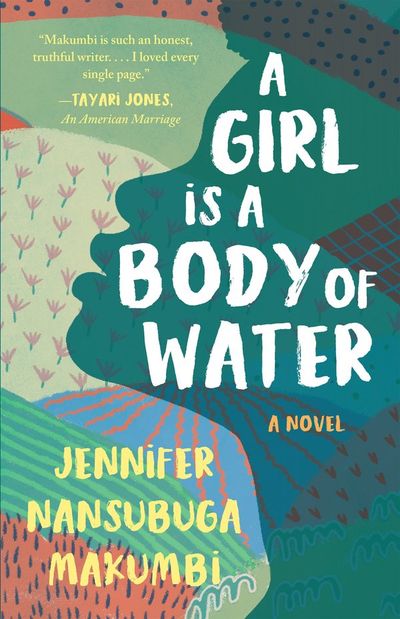
A Ugandan girl asks who the women before her were.
✦ READ – REFLECT → RESIST
A Problem from Hell: America and the Age of Genocide
Samantha Power

'Never again,' again and again.
✦ READ – REFLECT → RESIST
Animal's People
Indra Sinha
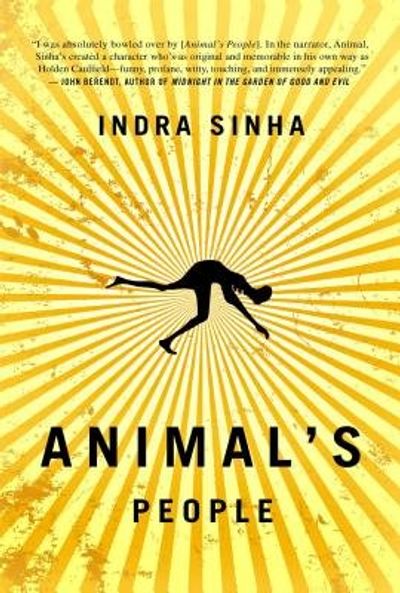
A Bhopal survivor tells it his way.
✦ READ – REFLECT → RESIST
Aristophanes' Lysistrata: A Dual Language Edition
Aristophanes
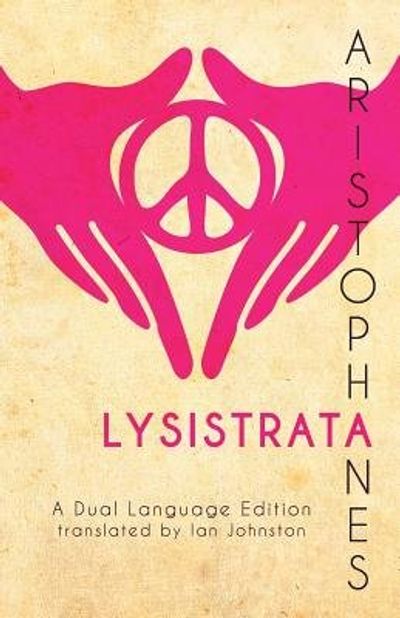
The oldest sex strike in history. Still works.
✦ READ – REFLECT → RESIST
For the family bookshelf
Same idea, written for a younger reader. Good for reading together.
A Different Pond
Bao Phi
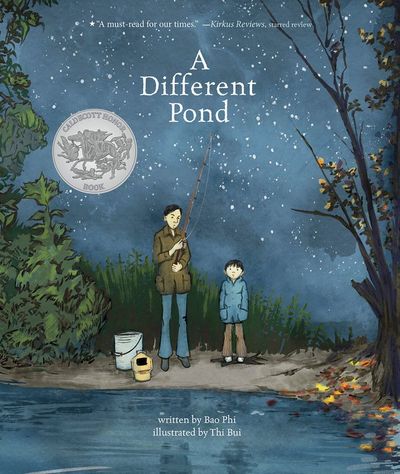
A refugee dad, a fishing pole, and 4 a.m.
✦ READ – REFLECT → RESIST
Ada's Violin: The Story of the Recycled Orchestra of Paraguay
Susan Hood
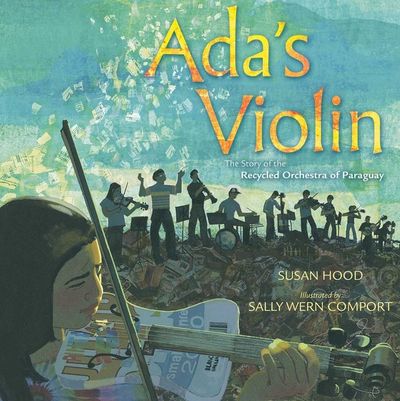
A violin made from a landfill. A real orchestra.
✦ READ – REFLECT → RESIST
Akata Witch
Nnedi Okorafor
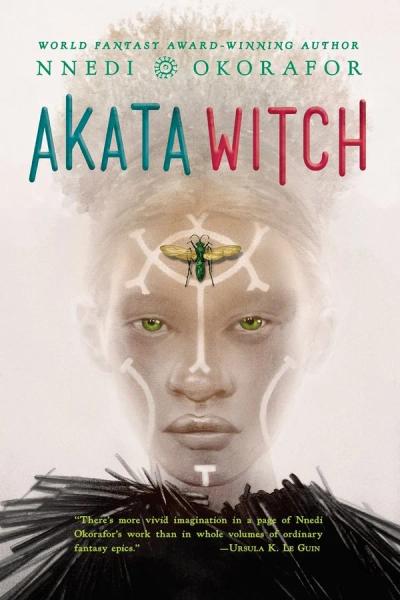
A girl who doesn't fit finds a hidden world.
✦ READ – REFLECT → RESIST
Amal Unbound
Aisha Saeed
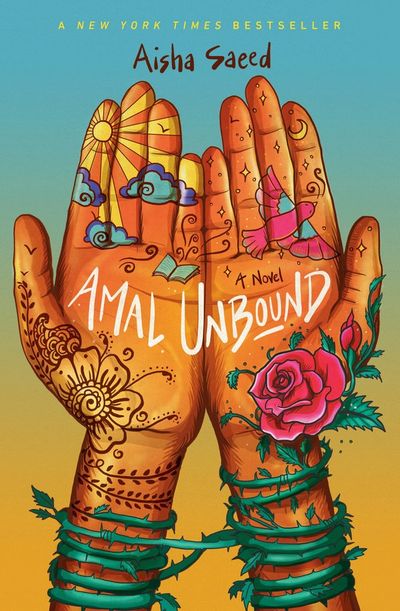
The debt wasn't hers. The cage is.
✦ READ – REFLECT → RESIST