
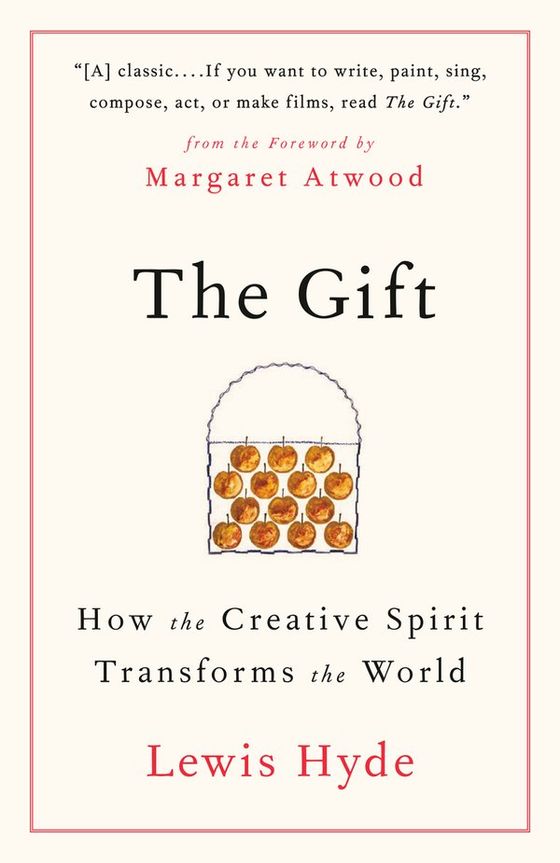
The Gift: How the Creative Spirit Transforms the World
by Lewis Hyde
Art is a gift, not a commodity. Now what?
For you if
you make things and feel strange asking money for them.
⚡ Choose Your Route ⚡
Not sold directly on this site. Support indie bookstores with a new copy, or go sustainable with a used one.
Buy New on Bookshop.orgSupports independent bookstores
— OR —
Find Used on Better World BooksSecondhand & sustainable
$19 MSRP · Paperback
Reference price shown. Other editions may be available.
Hyde asks why art is hard to sell. His answer: a real creative work is a gift, not a commodity, and it behaves differently. It moves, it keeps its value by being passed on, and it creates obligation instead of a transaction. He follows gift economies from the Trobriand Islands to Whitman and Ezra Pound, and asks how an artist can live in a market without turning the gift into a product.
Where This Book Lives
Pass with note. First published in 1983, and the anthropology is dated; the Pound chapter engages a poet with documented fascist sympathies, which Hyde discusses openly. A foundational read for working artists, and it sits beside The Creative Act and Steal Like an Artist in the catalog.
Related Viewing
Shares a topic, theme, or setting with this book in the catalog.
Honeyland(2019)
dir. Tamara Kotevska & Ljubomir Stefanov
Same themes: Community, Corporate Greed
The last wild beekeeper meets the market.
Hatidze is one of the last wild beekeepers in North Macedonia. She lives in a village with no electricity and her sick mother, and takes only half of each hive's honey, always leaving the rest for the bees. Then a noisy nomadic family moves in next door and begins keeping bees for profit. It was shot over three years and was nominated for two Oscars.
Why it’s here: The film shows the logic of extraction without a single lecture: one person takes half and the market takes all. What's punk is the quiet refusal of the system that rewards the quick take. What's pedagogical is that it lets a viewer watch a tragedy of the commons unfold, which is hard to teach any other way. It sits beside Braiding Sweetgrass and The Overstory. Note: it is observational, so the neighbor family is shown through an outsider's edit; worth a conversation.
Where to watch: Free with ads on Tubi; Kanopy (JustWatch lists it as leaving soon); rent $3.99 on Amazon, Apple TV and Fandango At Home (JustWatch US, Oct 28 2026)Letterboxd ↗
Crip Camp(2020)
dir. Nicole Newnham & James LeBrecht
Same themes: Collective Action, Community
A summer camp that started a rights movement.
In the early 1970s, a ramshackle summer camp for teenagers with disabilities near Woodstock, Camp Jened, ran on hippie rules: no adults in charge of the kids' lives. The campers, among them co-director James LeBrecht and the future activist Judy Heumann, went on to organize the sit-ins and protests that helped win the Americans with Disabilities Act. It was produced for Netflix and was nominated for the Oscar for Best Documentary Feature.
Why it’s here: The film shows that a movement can begin as a summer. What's punk is that the people it follows organize without asking permission, and refuse to be treated as objects of pity. What's pedagogical is the through-line from a place where kids ran their own lives to a federal law that changed what was possible. It's a rare entry on disability and civil rights, and a natural fit for DoCR's self-organization principle.
Where to watch: Streaming on NetflixLetterboxd ↗
Same pattern, different era
Different time, different place. The same thing keeps happening.
A Girl Is a Body of Water
Jennifer Nansubuga Makumbi
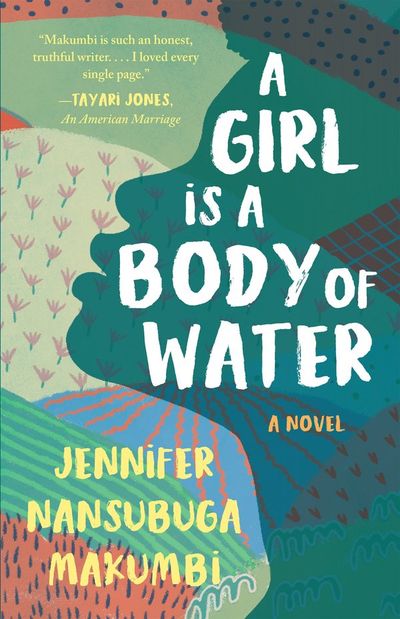
A Ugandan girl asks who the women before her were.
✦ READ – REFLECT → RESIST
Aristophanes' Lysistrata: A Dual Language Edition
Aristophanes
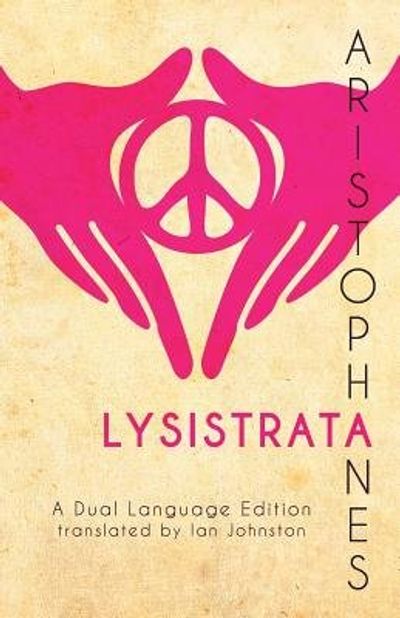
The oldest sex strike in history. Still works.
✦ READ – REFLECT → RESIST
Empire of Pain
Patrick Radden Keefe
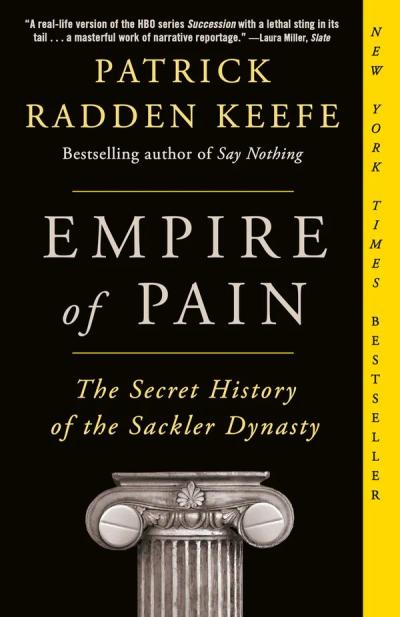
Philanthropy as cover. Addiction as business model.
✦ READ – REFLECT → RESIST
Evicted: Poverty and Profit in the American City
Matthew Desmond
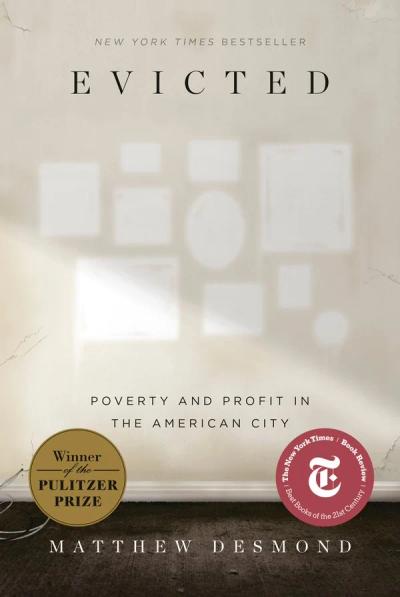
Eight families, a landlord, and the eviction machine.
✦ READ – REFLECT → RESIST
For the family bookshelf
Same idea, written for a younger reader. Good for reading together.
A Different Pond
Bao Phi
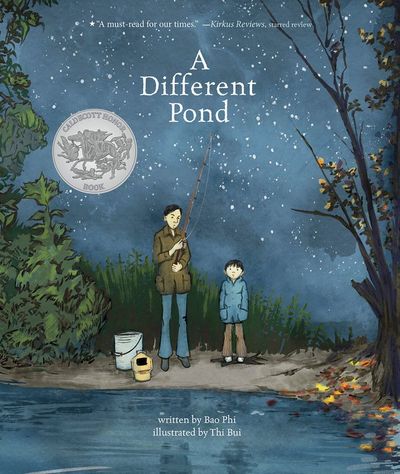
A refugee dad, a fishing pole, and 4 a.m.
✦ READ – REFLECT → RESIST
Amal Unbound
Aisha Saeed
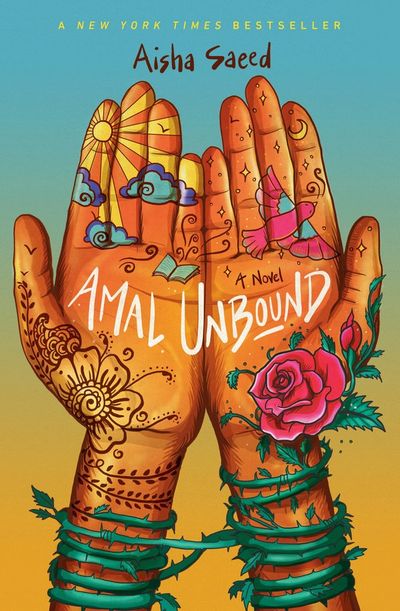
The debt wasn't hers. The cage is.
✦ READ – REFLECT → RESIST
Amina's Voice
Hena Khan
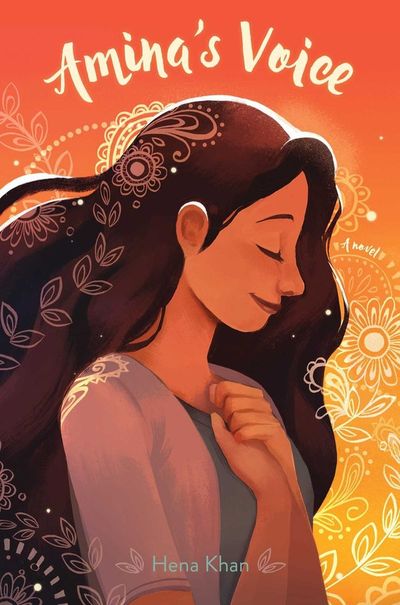
A shy girl sings out after her mosque is attacked.
✦ READ – REFLECT → RESIST
Big Red Lollipop
Rukhsana Khan
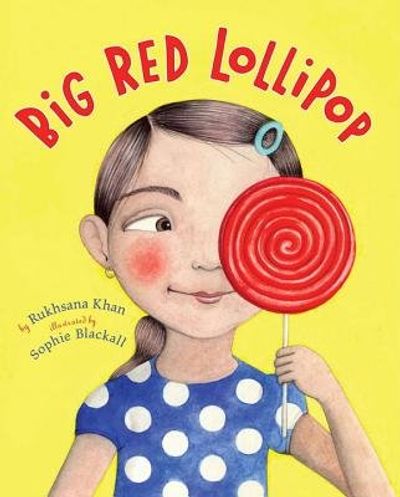
A big sister, a birthday party, and who gets included.
✦ READ – REFLECT → RESIST