
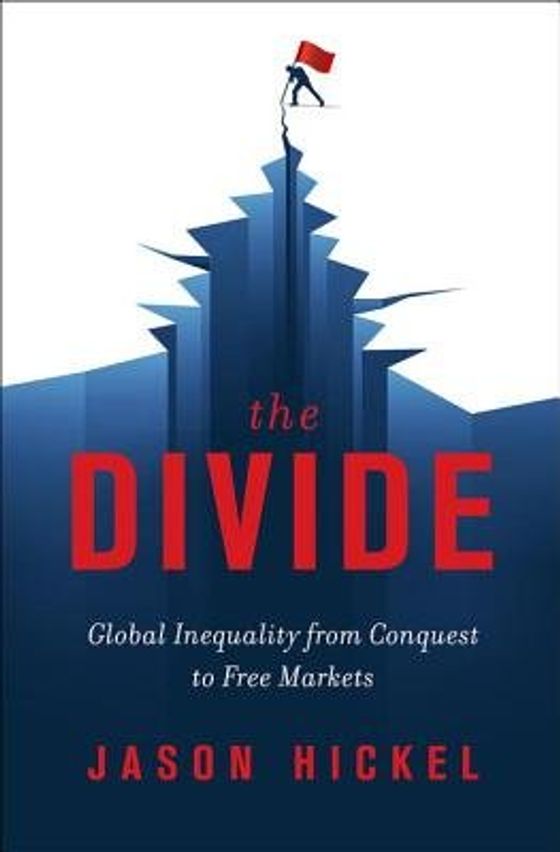
The Divide: A Brief Guide to Global Inequality and Its Solutions
by Jason Hickel
Rich countries 'aid' poor ones. Check the ledger.
For you if
you assume global poverty is just a lack of development.
⚡ Choose Your Route ⚡
Not sold directly on this site. Support indie bookstores with a new copy, or go sustainable with a used one.
Buy New on Bookshop.orgSupports independent bookstores
— OR —
Find Used on Better World BooksSecondhand & sustainable
$19 MSRP · Paperback
Reference price shown. Other editions may be available.
Rich countries say they help poor ones with aid. Hickel, an economic anthropologist, adds up the money flowing the other way through debt payments, unfair trade rules and tax dodging, and finds that the net runs from poor to rich. He walks from colonial land grabs to structural adjustment to today's tax havens, and then lays out what could change it.
Where This Book Lives
- Topics
- colonialism
Pass with note: Hickel is an openly committed writer, and some economists contest his net-flow figures and his later degrowth arguments. The core claim about extraction is well sourced. Close relatives already in the catalog: Open Veins of Latin America and Debt, which this one updates with numbers.
Related Viewing
Shares a topic, theme, or setting with this book in the catalog.
Coded Bias(2020)
dir. Shalini Kantayya
Same themes: Corporate Greed, Inequality
A face-recognition system that cannot see her.
MIT researcher Joy Buolamwini discovers that a face-recognition system can't see her face unless she puts on a white mask. She follows the thread to police departments, landlords and schools that are using such systems, and to the activists in London and New York who are pushing back. It's a documentary about who gets watched and who gets judged by software.
Why it’s here: The film shows how algorithms inherit the prejudice of the people who built them, and who gets hurt first. What's punk is that a graduate student's anomaly turns into a campaign against the tech industry. What's pedagogical is how clearly it explains training data and error rates to a general audience. Pairs with Deep Unlearning, Automating Inequality and Your Face Belongs to Us.
Where to watch: Free on Kanopy, Hoopla and Darkroom; rent $4.99 on Amazon and Apple TV (JustWatch US, Oct 2026)Letterboxd ↗
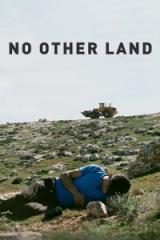
No Other Land(2024)
dir. Basel Adra, Hamdan Ballal, Yuval Abraham & Rachel Szor
Same themes: Imperialism and Exploitation, Structural Violence
Palestinian and Israeli filmmakers film an eviction.
Basel Adra grew up in Masafer Yatta, a cluster of villages in the West Bank that the Israeli army declared a firing zone and has been demolishing for years. He films it. Yuval Abraham, an Israeli journalist, joins him, and the two become friends while the bulldozers come back. It's shot over five years by a Palestinian and Israeli collective, and it won the Oscar for Best Documentary.
Why it’s here: The film makes the slow work of displacement visible: a school flattened, a well filled with cement, a family in a cave. What's punk is the people filming it, who are the people it's happening to, and the Palestinian-Israeli friendship at the center. What's pedagogical is how it shows an eviction as a process, with paperwork. It fits the Palestine bundle and sits beside 5 Broken Cameras. Note: Hamdan Ballal was assaulted by settlers after the Oscars.
Where to watch: Rent $3.99 on Amazon and Fandango At Home, $4.99 on Apple TV; no subscription streaming listed (JustWatch US, Oct 2026)Letterboxd ↗
Same event, different angle
The same history — told by someone who saw it differently.
The Bridge on the Drina
Ivo Andrić
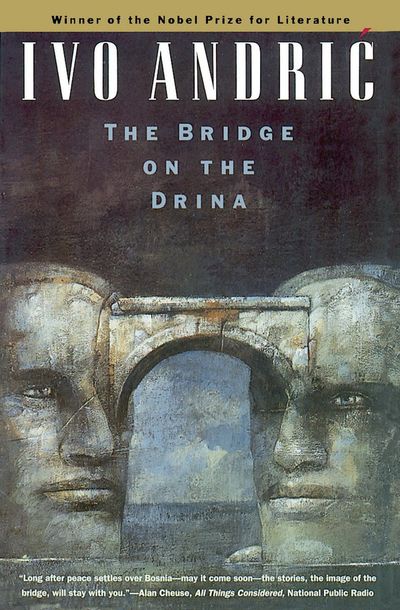
The bridge outlasted them all. Almost.
✦ READ – REFLECT → RESIST
Gulliver's Travels
Jonathan Swift

Swift's mean, necessary joke about rulers.
✦ READ – REFLECT → RESIST
The Pleasures of Exile
George Lamming
Caliban reads The Tempest and writes back.
✦ READ – REFLECT → RESIST
Black Skin White Masks
Frantz Fanon
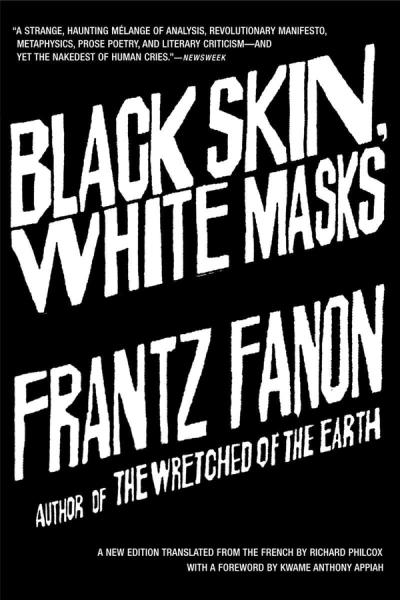
What colonialism does to the mind of the colonized.
✦ READ – REFLECT → RESIST
Same pattern, different era
Different time, different place. The same thing keeps happening.
Capitalism and Slavery
Eric Williams
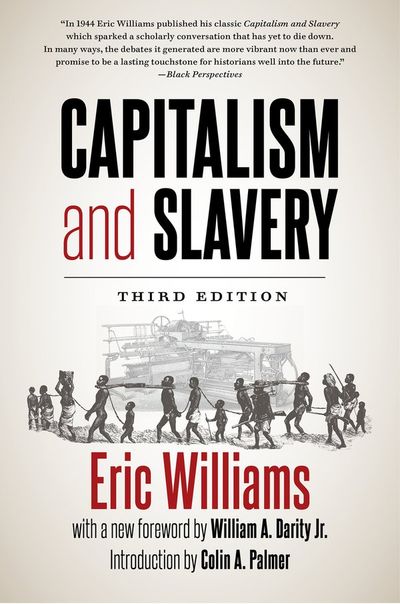
Slavery didn't fund empire. Slavery WAS empire.
✦ READ – REFLECT → RESIST
Empire of Pain
Patrick Radden Keefe
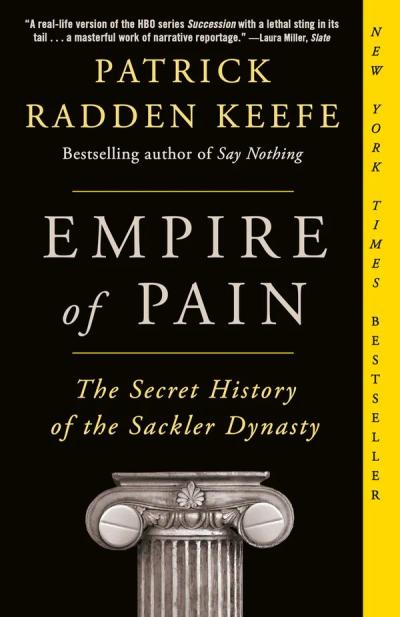
Philanthropy as cover. Addiction as business model.
✦ READ – REFLECT → RESIST
The Ethnic Cleansing of Palestine
Ilan Pappé
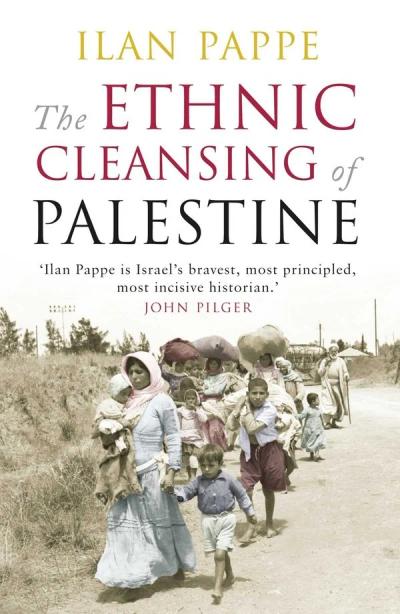
Plan Dalet. Village by village.
✦ READ – REFLECT → RESIST
How Europe Underdeveloped Africa
Walter Rodney
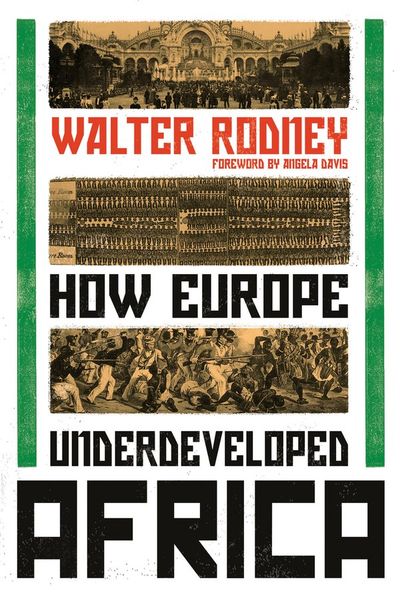
Africa isn't poor. It was made poor.
✦ READ – REFLECT → RESIST