
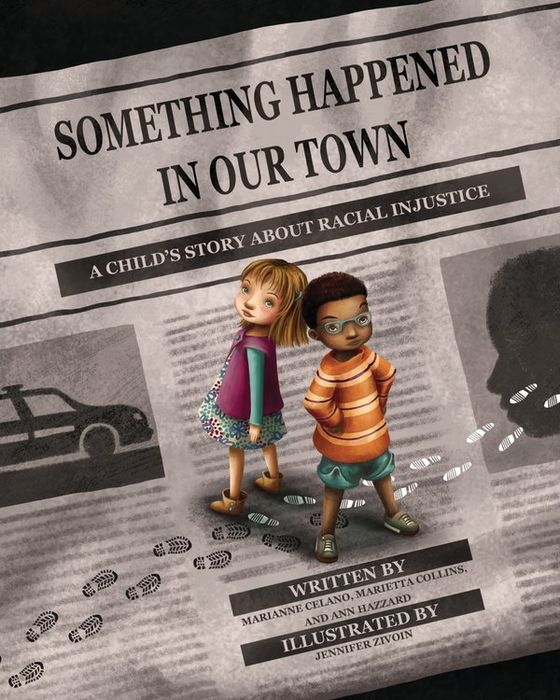
Something Happened in Our Town: A Child's Story about Racial Injustice
by Marianne Celano, Marietta Collins, and Ann Hazzard
The book for the conversation you've been avoiding.
For you if
you're raising a child who deserves honest answers about the world they can already see
⚡ Choose Your Route ⚡
Not sold directly on this site. Support indie bookstores with a new copy, or go sustainable with a used one.
Buy New on Bookshop.orgSupports independent bookstores
— OR —
Find Used on Better World BooksSecondhand & sustainable
$17 MSRP · Hardcover
Reference price shown. Other editions may be available.
Something Happened in Our Town follows two neighborhood families — one Black, one white — the morning after a police officer shoots a Black man in their community. The children have questions the adults don't know how to answer. The Black family names what happened plainly; the white family reaches for comfortable explanations that don't hold up. The book doesn't smooth it over — it models what honest, age-appropriate conversation looks like on both sides of the color line. Written by three clinical psychologists, it gives parents the specific language for a conversation most families spend years avoiding.
On the record
Find out what they were so afraid of.
The ban is over. The reason for it usually isn’t.
The challengers called it "divisive language" and "anti-police." What it actually does is teach young children that two kids in the same neighborhood can have completely different relationships to a police shooting — and that pretending otherwise is its own kind of lie. Police benevolent associations don't lobby against books about firefighters. The "anti-police" label is the tell: a book that helps white children understand why their Black neighbors might be afraid is only "anti-police" to someone who believes that fear is the problem rather than the thing causing it. The threat isn't the content; it's the clarity.
The record
Minnesota
2020
Challenged (not removed)
The state kept recommending it
Initiated by: parent or community challenge
HistoricalSource ↗
Where This Book Lives
All three authors are licensed clinical psychologists, and the book came out of their professional work helping families talk about race and trauma with young children. The dual-family structure is the point: Black and white children have genuinely different relationships to a police shooting, and the book models that difference rather than papering over it. There's a parent and educator guide in the back that's as important as the story. It landed at #6 on the ALA's 2020 Most Challenged Books list — "divisive language" and "anti-police views" were the stated reasons, with removal attempts in California, Nebraska, Wisconsin, and New Hampshire; in 2021 the Binghamton Police Benevolent Association called it a "blatant anti-police message" when a local elementary named it Book of the Month. What it actually does is model honest conversation — which, apparently, is the threat.
Related Viewing
Shares a topic, theme, or setting with this book in the catalog.
I Am Not Your Negro(2016)
dir. Raoul Peck
Same events: Black Lives Matter, Civil Rights Movement · Same themes: Race in America, Racial Injustice
James Baldwin, still telling America the truth.
A documentary built from James Baldwin's own words, drawn from letters, interviews and the thirty pages of an unfinished manuscript about his friends Medgar Evers, Malcolm X and Martin Luther King Jr. Samuel L. Jackson reads Baldwin's text over archival footage, old Hollywood films and newsreels, and contemporary images of the same fights still being fought.
Why it’s here: The punk move is the structure: Peck refuses the usual documentary apparatus of talking-head experts and lets one voice, a writer who was long ignored and long right, carry the whole film, cutting it against the images that prove his point. The pedagogy is in how it teaches a way of seeing. Baldwin takes apart the stories America tells about itself and shows how film and popular culture manufacture them, which makes this as much a lesson in media literacy as in history. It is dense and unsparing, so it suits older teens and adults who are ready to sit with it.
Where to watch: Free on Tubi, rent on Apple TVLetterboxd ↗
The Hate U Give(2018)
dir. George Tillman Jr.
Same event: Black Lives Matter · Same themes: Police Brutality, Race in America
A teen witness has to choose to speak.
Starr Carter lives in a poor Black neighborhood and goes to a rich, mostly white prep school, and keeps those two lives apart until the night she watches a police officer shoot her friend Khalil. The film follows what happens when she is the only witness and has to decide whether to speak. Adapted from Angie Thomas's novel.
Why it’s here: The film puts a teenager in the position of choosing to testify against power, at real cost, and doesn't pretend it's easy. What's pedagogical is how clearly it shows the gap between the two worlds Starr lives in. It trims the book's interior voice, so read the book first when you can. Direct companion to the novel already in the catalog.
Where to watch: Starz; rent on Amazon, Apple TVLetterboxd ↗
Same event, different angle
The same history — told by someone who saw it differently.
The Watsons Go to Birmingham—1963
Christopher Paul Curtis
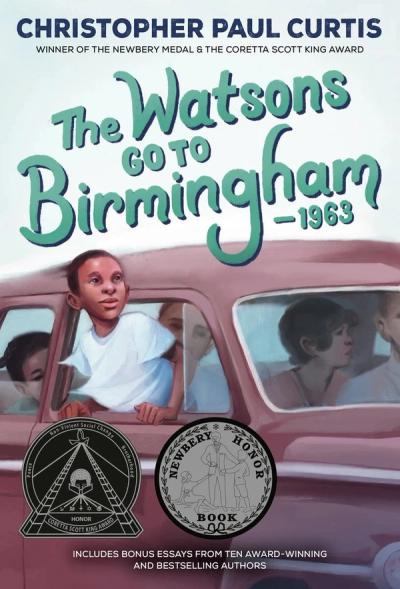
A funny family road trip to Birmingham. Then 1963 arrives.
✦ READ – REFLECT → RESIST
The Youngest Marcher
Cynthia Levinson
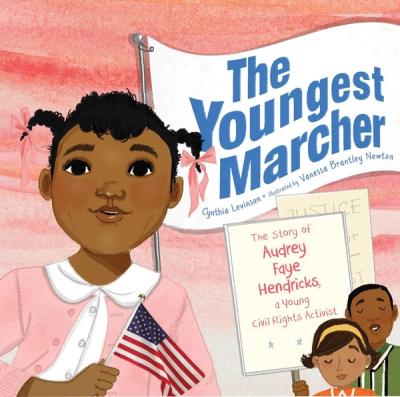
She was nine. She marched. She went to jail. Birmingham listened.
✦ READ – REFLECT → RESIST
Brown Girl Dreaming
Jacqueline Woodson
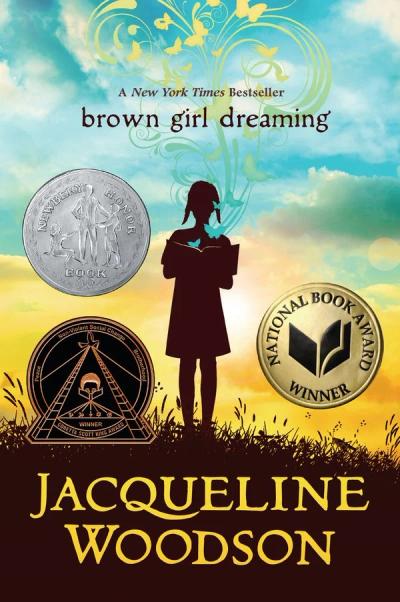
A Black girlhood in verse — history you can feel.
✦ READ – REFLECT → RESIST
Claudette Colvin: Twice Toward Justice
Phillip Hoose
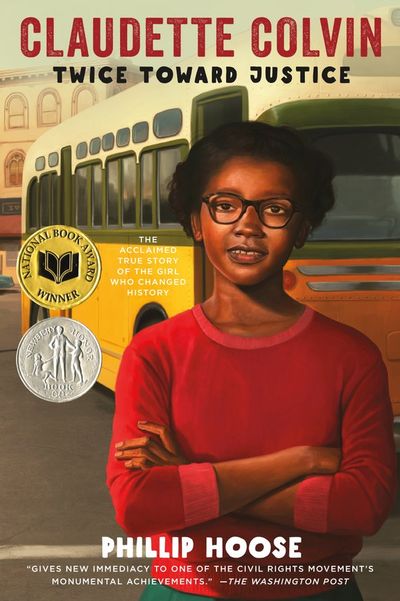
She refused first. History forgot her anyway.
✦ READ – REFLECT → RESIST
Same pattern, different era
Different time, different place. The same thing keeps happening.
Amal Unbound
Aisha Saeed
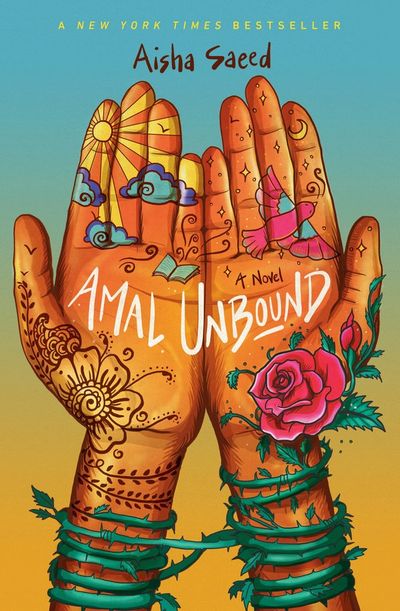
The debt wasn't hers. The cage is.
✦ READ – REFLECT → RESIST
Brown Girl Dreaming
Jacqueline Woodson
A Black girlhood in verse — history you can feel.
✦ READ – REFLECT → RESIST
Claudette Colvin: Twice Toward Justice
Phillip Hoose
She refused first. History forgot her anyway.
✦ READ – REFLECT → RESIST
Efrén Divided
Ernesto Cisneros
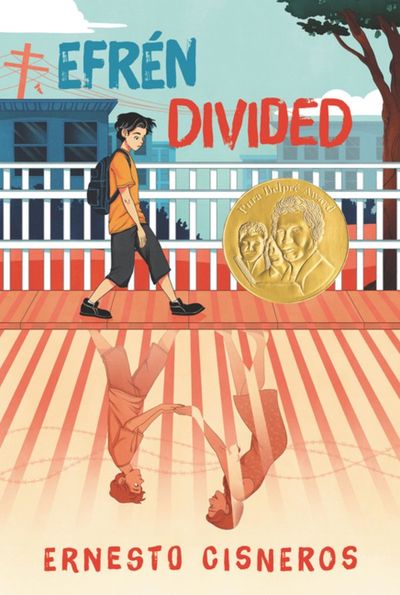
Family separation, from the inside.
✦ READ – REFLECT → RESIST
For the grown-up bookshelf
Same idea, written for a grown-up. Good for the adult in the room, too.
Stamped: Racism, Antiracism, and You
Jason Reynolds and Ibram X. Kendi
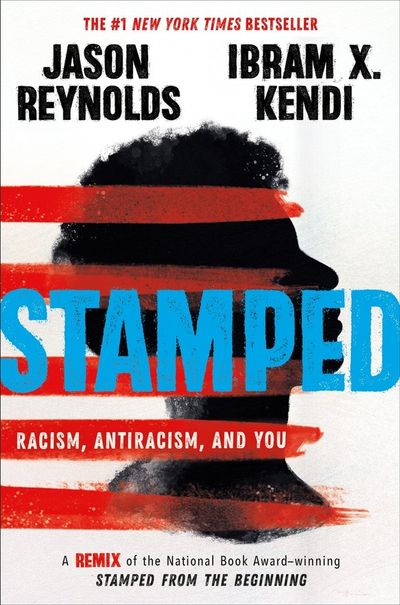
The history of racist ideas — who made them and why
✦ READ – REFLECT → RESIST
Abolition. Feminism. Now.
Angela Y. Davis, Gina Dent, Erica R. Meiners & Beth E. Richie
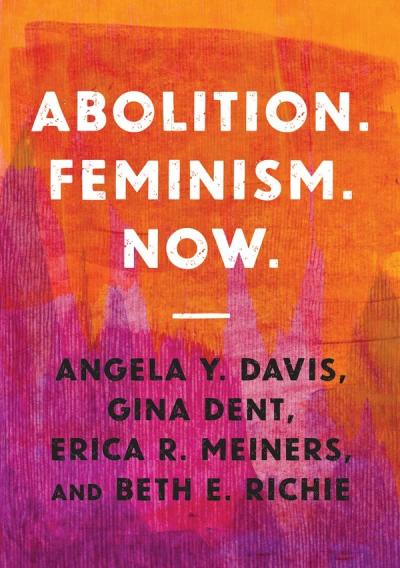
Safety without cages, built by feminists.
✦ READ – REFLECT → RESIST
Ain't I a Woman: Black Women and Feminism
bell hooks
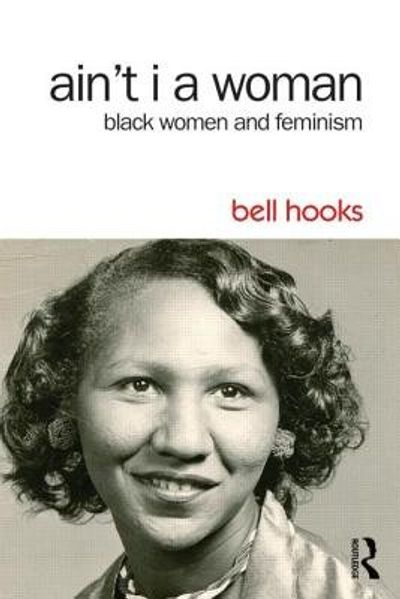
Who gets to count as a woman?
✦ READ – REFLECT → RESIST
Aké: The Years of Childhood
Wole Soyinka
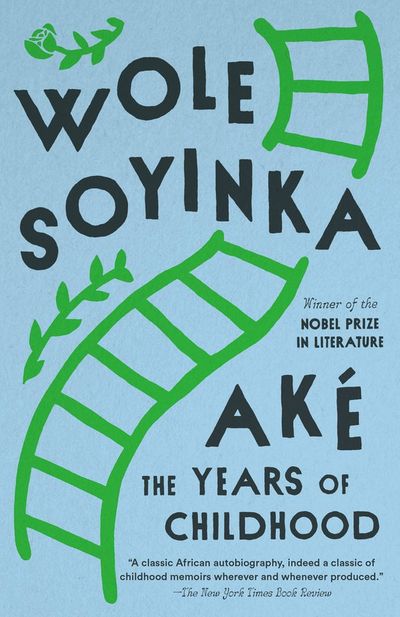
A colonial childhood, one question at a time.
✦ READ – REFLECT → RESIST