
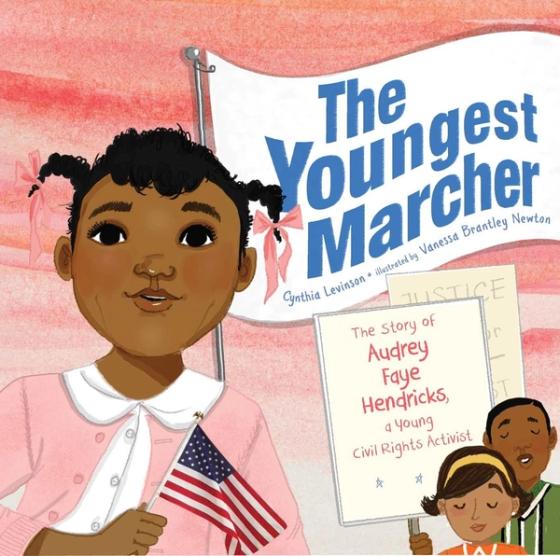
The Youngest Marcher
by Cynthia Levinson
She was nine. She marched. She went to jail. Birmingham listened.
For you if
your child needs to know that nine-year-olds have changed the course of American history — and that one of them went to jail to do it
⚡ Choose Your Route ⚡
Not sold directly on this site. Support indie bookstores with a new copy, or go sustainable with a used one.
Buy New on Bookshop.orgSupports independent bookstores
— OR —
Find Used on Better World BooksSecondhand & sustainable
$19 MSRP
Reference price shown. Other editions may be available.
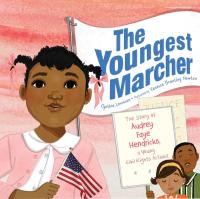
Audrey Faye Hendricks was nine years old when she decided to go to jail. She had heard grown-ups talk about wiping out Birmingham's segregation laws and she stepped right up — she didn't know that Martin Luther King spent time in solitary confinement, she knew him as her parents' friend Mike who came for dinner and ate her momma's Hot Rolls Baptized in Butter. In May 1963 she became the youngest known child to be arrested in the Children's March, spending a week in juvenile detention alongside thousands of other students who filled Birmingham's jails until the city had no choice but to listen. Levinson, who wrote the longer nonfiction account We've Got a Job for older readers, tailors this picture book to the scale of a nine-year-old's life — the loneliness of the jail cell, the oily grits, the angry white interrogators — without simplifying the courage required or the stakes involved. Vanessa Brantley-Newton's bright collages hold both the danger and the defiance simultaneously. The most important message for the youngest readers in the America bundle: that the people who changed this country included a nine-year-old girl who decided that what was happening was wrong and that she would do something about it. Carter G. Woodson Award. NAACP Image Award finalist.
Where This Book Lives
- Setting
- North America
- Voice
- Written by a North America author
- Themes
- youth activism
Related Viewing
Shares a topic, theme, or setting with this book in the catalog.
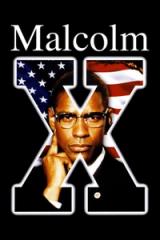
Malcolm X(1992)
dir. Spike Lee
One man, three names, one refusal to stay quiet.
Spike Lee's biopic follows Malcolm Little from a troubled Detroit childhood through prison, his conversion within the Nation of Islam, his break from Elijah Muhammad, and his post-Mecca reorientation toward a wider human-rights politics, ending with his 1965 assassination.
Why it’s here: Punk in showing radicalization as a rational response to real conditions, not a character flaw. Pedagogical in tracking a person's ideas actually changing on camera — Malcolm's break from Elijah Muhammad and his post-Mecca reckoning model intellectual honesty most biopics flatten out.
Same event, different angle
The same history — told by someone who saw it differently.
For the grown-up bookshelf
Same idea, written for a grown-up. Good for the adult in the room, too.
Stamped: Racism, Antiracism, and You
Jason Reynolds and Ibram X. Kendi
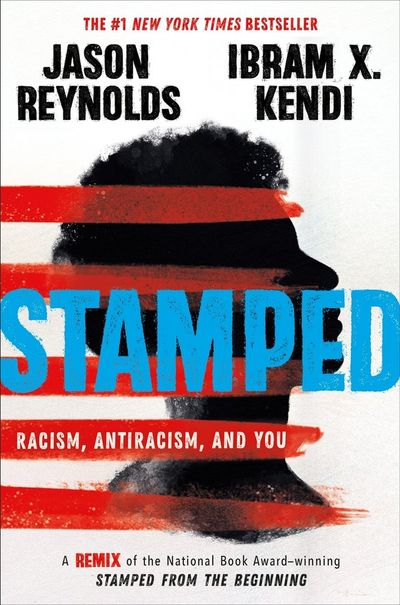
The history of racist ideas — who made them and why
✦ READ – REFLECT → RESIST
This Nonviolent Stuff’ll Get You Killed
Charles E. Cobb Jr.
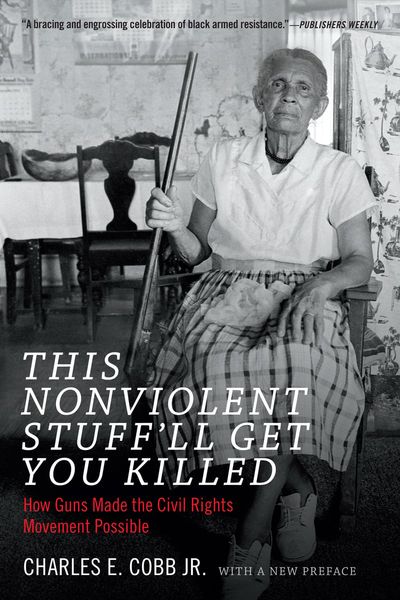
Civil rights meets Southern firepower.
✦ READ – REFLECT → RESIST
Schoolhouse Burning
Derek W. Black
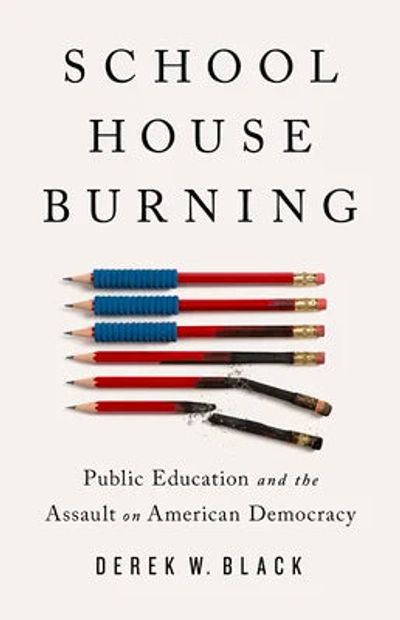
Public schools are the backbone of democracy.
✦ READ – REFLECT → RESIST
The Fire Next Time
James Baldwin
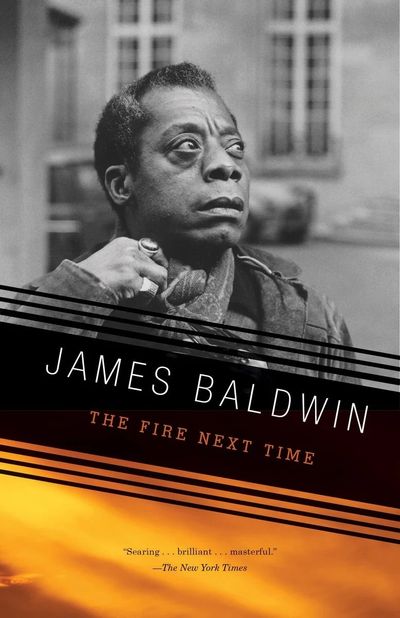
Two letters. One hundred years after emancipation. Still waiting.
✦ READ – REFLECT → RESIST