
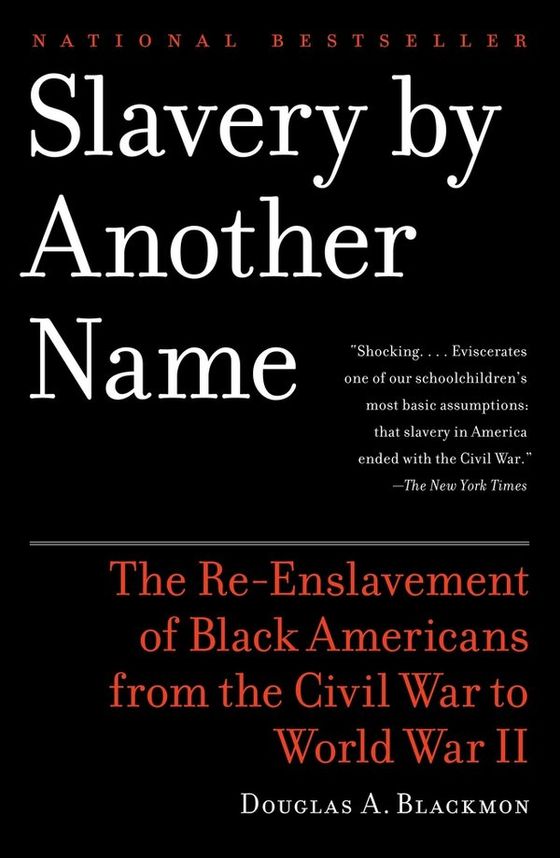
Slavery by Another Name: The Re-Enslavement of Black Americans from the Civil War to World War II
by Douglas A. Blackmon
Slavery never ended in 1865. It got paperwork.
For you if
you were taught emancipation as a finish line and suspect it wasn't.
⚡ Choose Your Route ⚡
Not sold directly on this site. Support indie bookstores with a new copy, or go sustainable with a used one.
Buy New on Bookshop.orgSupports independent bookstores
— OR —
Find Used on Better World BooksSecondhand & sustainable
$19 MSRP · Paperback
Reference price shown. Other editions may be available.
Blackmon, a Wall Street Journal reporter, found the paper trail: after emancipation, Southern states arrested Black men on invented charges, fined them, and leased them out to coal mines, farms and railroads to work off the debt. Large Northern companies, including US Steel, used that labor into the 1940s. Slavery didn't end in 1865 so much as change its paperwork. Pulitzer winner, and a short route from textbook version to the real one.
Where This Book Lives
- Topics
- slavery
Pass with note. Grim and document-heavy, with named victims and named companies; some historians say the scale of convict leasing varied by state, and the argument is strongest on the Deep South. Blackmon is a mainstream journalist with no documented concerns. A PBS documentary of the same name exists as a companion. Close relatives: The New Jim Crow, The Half Has Never Been Told, The Color of Law and The Warmth of Other Suns.
Related Viewing
Shares a topic or setting with this book, or several of its themes.
13th(2016)
dir. Ava DuVernay
Same themes: Racial Injustice, Structural Violence
The 13th Amendment's loophole built a prison nation.
Ava DuVernay's documentary traces one clause of the 13th Amendment, which abolished slavery except as punishment for a crime, from Reconstruction convict leasing through Jim Crow, the War on Drugs and the modern prison boom. Historians, activists and politicians make the case that mass incarceration is slavery's afterlife by another legal name.
Why it’s here: The punk move is the thesis itself: it reads the Constitution's own text as the loophole and then follows the money and the rhetoric, including footage of the politicians who built the machine, straight to the present. The pedagogy is in the method. It teaches a viewer to trace a single policy lever across 150 years instead of treating each era as a separate story, which is a transferable habit of mind. Worth knowing that some historians argue its straight line from slavery to prisons flattens a more tangled history, so watch it as a forceful argument rather than a settled account.
Where to watch: Streaming on NetflixLetterboxd ↗
Fruitvale Station(2013)
dir. Ryan Coogler
Same themes: Racial Injustice, Structural Violence
The last day of Oscar Grant, in full.
On New Year's Eve 2008, Oscar Grant spends the last day of his life with his daughter, his girlfriend and his mother, trying to be better than he has been. He's shot by a transit police officer on a BART platform in Oakland a few hours after midnight. Coogler made it as his first feature, and it begins with the real cell phone video.
Why it’s here: The film gives a man who became a headline a whole day, and makes the viewer sit with how ordinary it was. What's punk is that it starts with the real video and refuses to turn him into a symbol. What's pedagogical is how it rebuilds a person from a statistic. Pairs with The Hate U Give, Just Mercy and the Dear White People pick. It is a dramatization and shows the shooting.
Where to watch: Starz via Apple TV channel and Amazon channels (subscription); rent $3.99 on Amazon, Apple TV and Fandango At Home (JustWatch US, Sept 2026)Letterboxd ↗
Same event, different angle
The same history — told by someone who saw it differently.
Texaco
Patrick Chamoiseau
A squatter community tells its story to the man sent to demolish it.
✦ READ – REFLECT → RESIST
Rest Is Resistance
Tricia Hersey
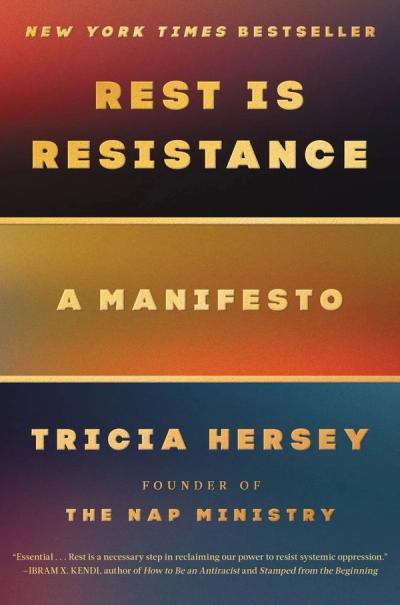
you are exhausted and need someone to tell you that your exhaustion is political and that rest is not laziness but resistance
✦ READ – REFLECT → RESIST
Black Marxism: The Making of the Black Radical Tradition
Cedric J. Robinson
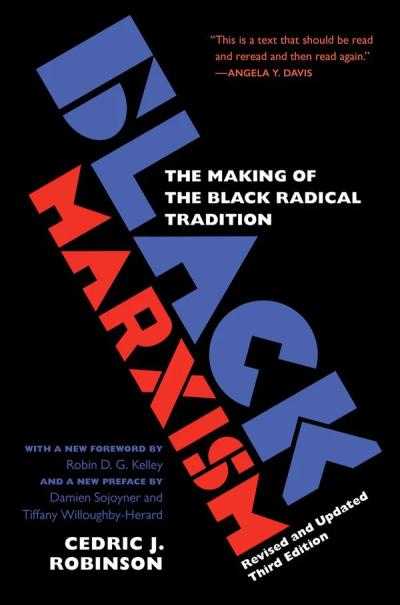
Capitalism was racial from day one.
✦ READ – REFLECT → RESIST
Same pattern, different era
Different time, different place. The same thing keeps happening.
A Pattern Language: Towns, Buildings, Construction
Christopher Alexander et al.
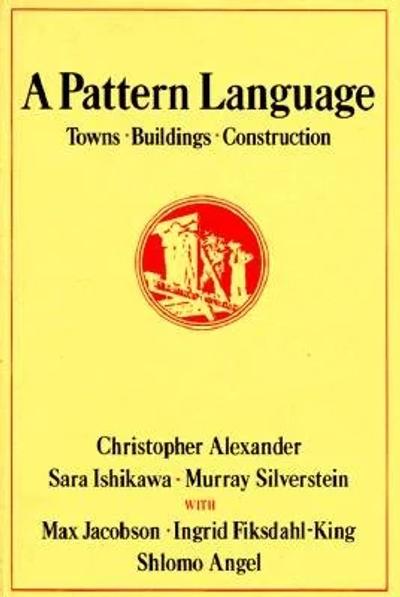
253 patterns for designing a place people can live in.
✦ READ – REFLECT → RESIST
Anger Is a Gift
Mark Oshiro
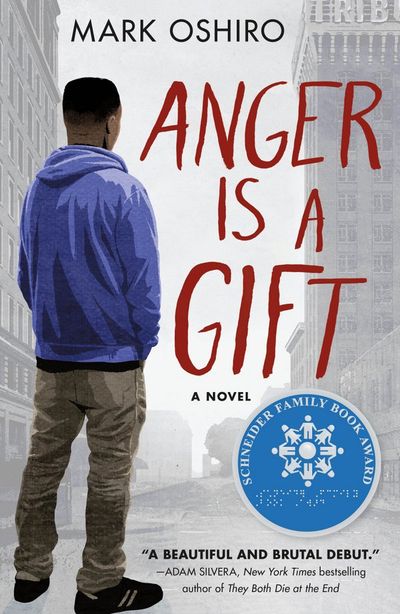
The anger you've been told to put down.
✦ READ – REFLECT → RESIST
Animal's People
Indra Sinha
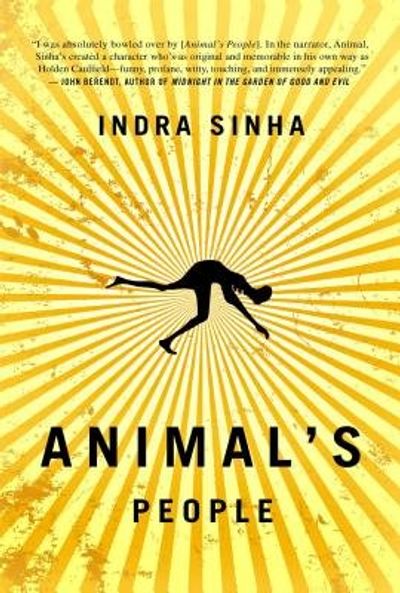
A Bhopal survivor tells it his way.
✦ READ – REFLECT → RESIST
Beauty Is a Wound
Eka Kurniawan
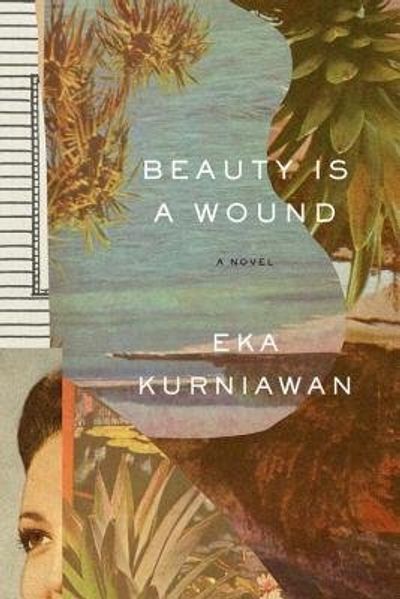
Indonesia's century, told by a woman back from death.
✦ READ – REFLECT → RESIST
For the family bookshelf
Same idea, written for a younger reader. Good for reading together.
Ada's Violin: The Story of the Recycled Orchestra of Paraguay
Susan Hood
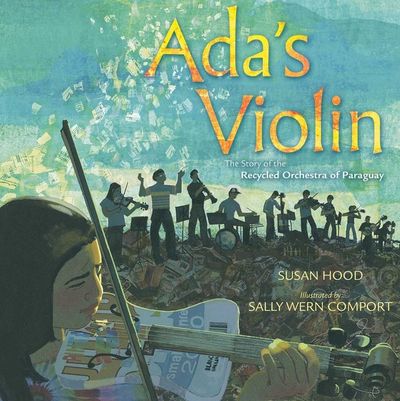
A violin made from a landfill. A real orchestra.
✦ READ – REFLECT → RESIST
Between Shades of Gray
Ruta Sepetys
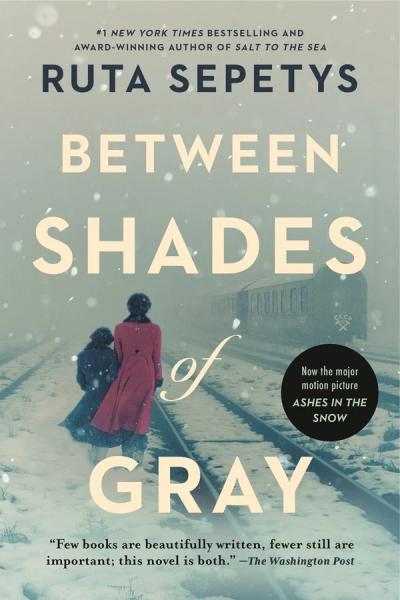
A Lithuanian teen draws her way through Siberia.
✦ READ – REFLECT → RESIST
Bud, Not Buddy
Christopher Paul Curtis
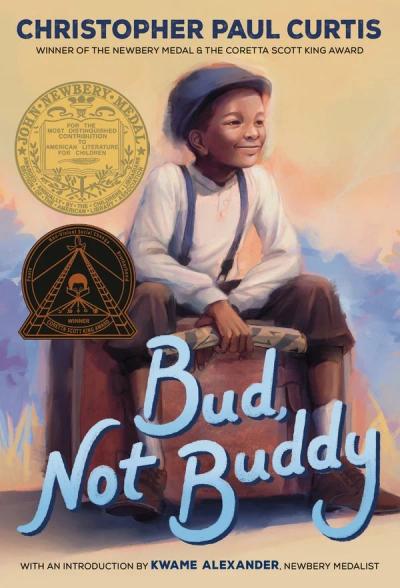
An orphan, a suitcase, and the Great Depression.
✦ READ – REFLECT → RESIST
Claudette Colvin: Twice Toward Justice
Phillip Hoose
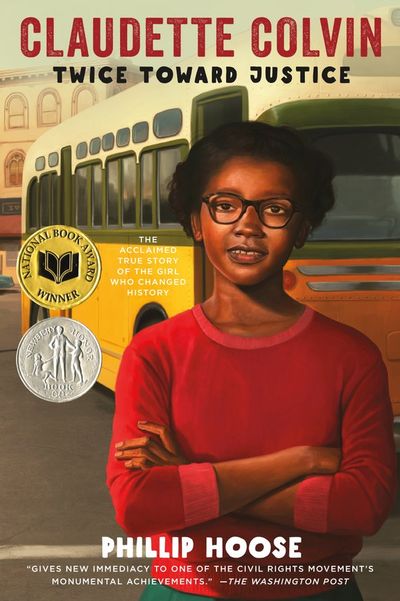
She refused first. History forgot her anyway.
✦ READ – REFLECT → RESIST