
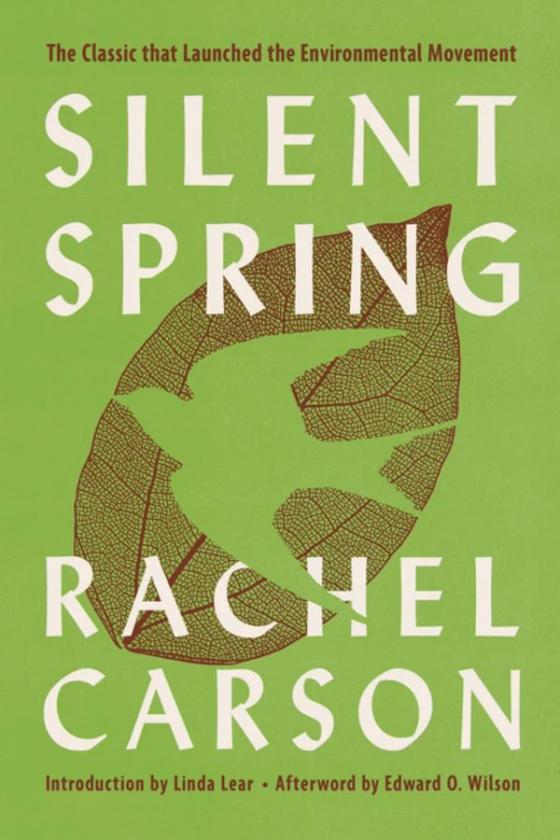
Silent Spring
by Rachel Carson
They tried to kill it. It launched the EPA.
For you if
you want to understand how the science meant to protect you gets captured first.
⚡ Choose Your Route ⚡
Not sold directly on this site. Support indie bookstores with a new copy, or go sustainable with a used one.
Buy New on Bookshop.orgSupports independent bookstores
— OR —
Find Used on Better World BooksSecondhand & sustainable
$20 MSRP · Paperback
Reference price shown. Other editions may be available.
In 1962, Rachel Carson published a book that the American chemical industry spent the preceding year trying to destroy. Velsicol Chemical threatened to sue the publisher. Monsanto commissioned a parody. Agriculture Secretary Ezra Taft Benson allegedly wondered why a spinster with no children cared about genetics. *Time* called her emotional. None of it worked. *Silent Spring* opens with a fable: a town where the birds have gone silent. Then it documents, chapter by chapter, exactly how that silence arrives — DDT and its relatives accumulating up food chains, fish dying in rivers, robins falling dead on suburban lawns, eagles' eggs too thin to hatch. The science is meticulous. The picture it assembles is devastating. Carson's real subject is not pesticides. It's the system that allowed them to run unchecked: USDA programs that sprayed millions of acres on minimal evidence, chemical companies supplying "research" to the agencies supposed to regulate them, government officials who simply accepted industry claims as fact. She named regulatory capture decades before economists had a term for it. She didn't call for banning DDT. She called for restraint and for biological alternatives. The chemical industry attacked her as if she'd called for the end of civilization. A presidential advisory committee vindicated her findings in 1963. DDT was banned for agricultural use in the US in 1972. Rachel Carson died of cancer in 1964.
Where This Book Lives
A few things worth naming upfront. Carson was attacked with a ferocity that had as much to do with who she was as what she said. She was a woman, unmarried, with a master's degree in marine biology — not the chemical industry's idea of a credible scientist. The Agriculture Secretary questioned why a spinster with no children cared about genetics. *Time* accused her of emotionalism. The attacks were coordinated, explicitly gendered, and they failed anyway. That failure is instructive: the industry couldn't kill the science, so it went after the scientist. The campaign against *Silent Spring* is, four decades on, a precise early case study in how corporate disinformation operates: you don't disprove the findings, you question the scientist's legitimacy and motives. It's the same playbook used later against climate researchers. Carson named it and documented it before it had a name. One seam worth naming directly: pro-DDT advocates have spent years claiming that the pesticide restrictions Carson helped cause led to millions of malaria deaths in Africa. The actual record is more complicated — Carson never called for a total DDT ban, she explicitly endorsed targeted use; DDT resistance in malarial mosquitoes had already emerged before her book; and malaria's persistence has multiple causes that a simple "Carson caused it" narrative actively obscures. The revisionist campaign is itself a disinformation operation, continuous with the original industry response. P&P names it so readers who encounter it aren't blindsided.
Related Viewing
Shares a topic, theme, or setting with this book in the catalog.

Princess Mononoke(1997)
dir. Hayao Miyazaki
Same themes: Environmental Degradation, Human Impact on Nature
Industry versus forest, and no easy villain.
Ashitaka, a young prince cursed by a boar-god turned demon, travels west to find a cure and ends up in the middle of a war between Irontown, a community of ironworkers led by Lady Eboshi, and the forest spirits led by the wolf-goddess Moro and her human daughter San. Nobody is simply right. The ironworkers are feeding lepers and freed women, and the forest is dying to feed them.
Why it’s here: Miyazaki refuses the easy version of a fight between industry and nature: the people destroying the forest are also building a refuge, and the film makes you hold both. What's punk is that it won't pick a villain who can be shot, and that its hero's job is to stay between the sides. What's pedagogical is that it hands young viewers a systems problem with no tidy answer. Good for a family watch with older kids; it has real violence.
Where to watch: HBO Max; rent Amazon, Apple TV, Fandango At Home (~$3.99)Letterboxd ↗
13th(2016)
dir. Ava DuVernay
Same theme: Corporate Complicity
The 13th Amendment's loophole built a prison nation.
Ava DuVernay's documentary traces one clause of the 13th Amendment, which abolished slavery except as punishment for a crime, from Reconstruction convict leasing through Jim Crow, the War on Drugs and the modern prison boom. Historians, activists and politicians make the case that mass incarceration is slavery's afterlife by another legal name.
Why it’s here: The punk move is the thesis itself: it reads the Constitution's own text as the loophole and then follows the money and the rhetoric, including footage of the politicians who built the machine, straight to the present. The pedagogy is in the method. It teaches a viewer to trace a single policy lever across 150 years instead of treating each era as a separate story, which is a transferable habit of mind. Worth knowing that some historians argue its straight line from slavery to prisons flattens a more tangled history, so watch it as a forceful argument rather than a settled account.
Where to watch: Streaming on NetflixLetterboxd ↗
Same event, different angle
The same history — told by someone who saw it differently.
Same pattern, different era
Different time, different place. The same thing keeps happening.
Doughnut Economics
Kate Raworth
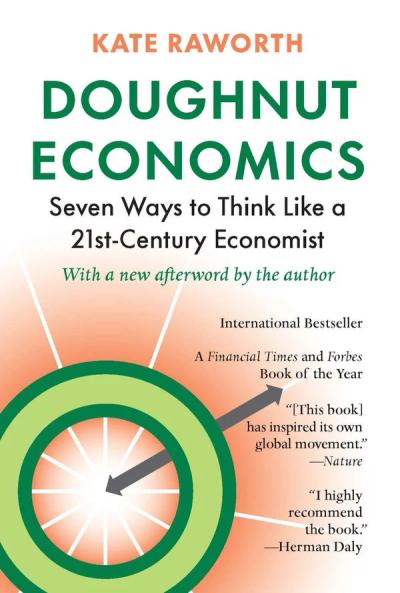
The economy we need, drawn as a doughnut.
✦ READ – REFLECT → RESIST
Empire of Pain
Patrick Radden Keefe
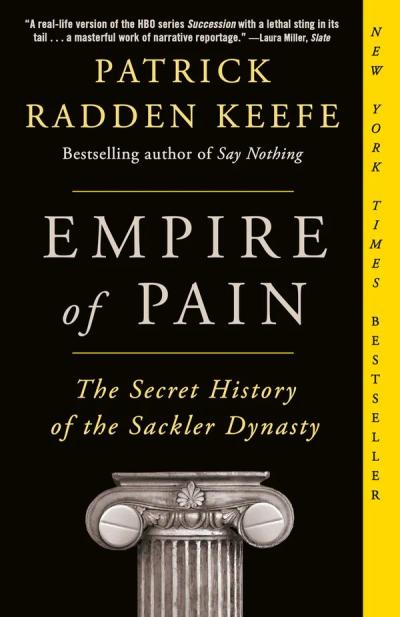
Philanthropy as cover. Addiction as business model.
✦ READ – REFLECT → RESIST
Know My Name: A Memoir
Chanel Miller
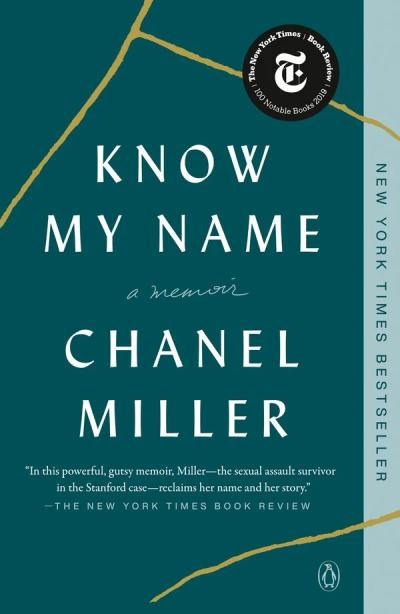
She took her name back from the case.
✦ READ – REFLECT → RESIST
Life and Death of the American Worker: The Immigrants Taking on America's Largest Meatpacking Company
Alice Driver
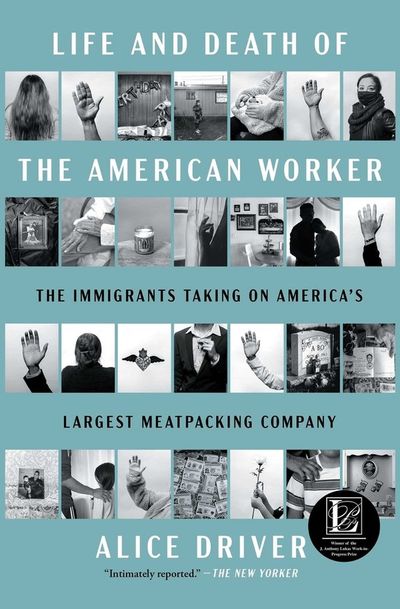
Cheap chicken has a body count.
✦ READ – REFLECT → RESIST
For the family bookshelf
Same idea, written for a younger reader. Good for reading together.
The Wild Robot
Peter Brown
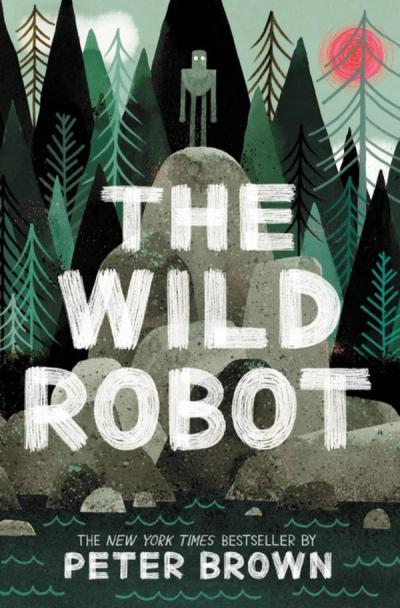
Heartfelt survival with metal parts.
✦ READ – REFLECT → RESIST
The Lorax
Dr. Seuss
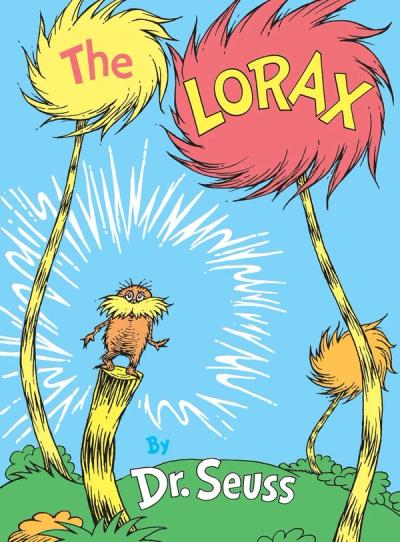
The original eco-punk.
✦ READ – REFLECT → RESIST
We Are Water Protectors
Carole Lindstrom
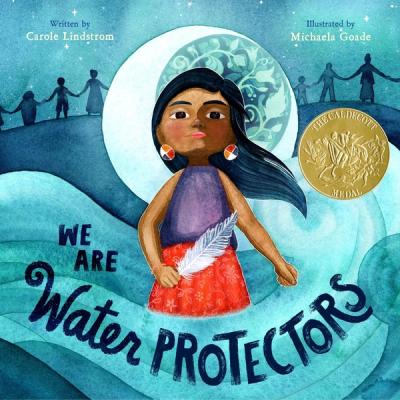
A protest in watercolor.
✦ READ – REFLECT → RESIST
Greta and the Giants
Zoë Tucker
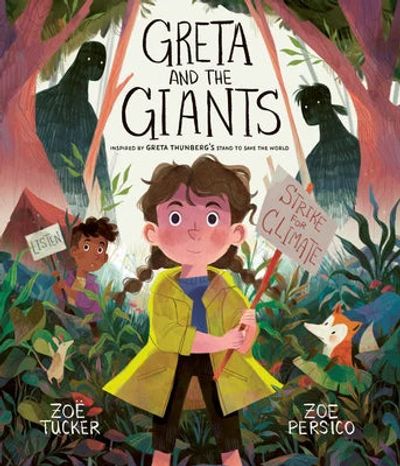
A tiny voice takes on giants.
✦ READ – REFLECT → RESIST