
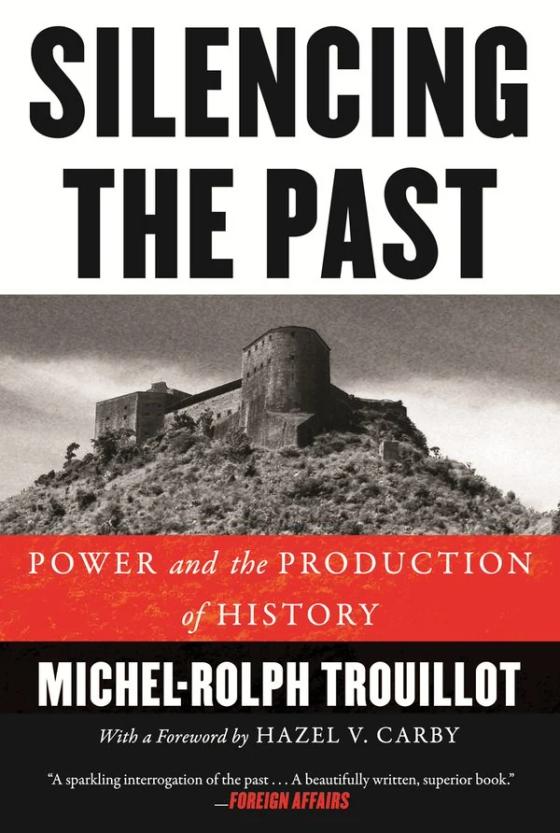
Silencing the Past: Power and the Production of History
by Michel-Rolph Trouillot
Who decides what counts as history.
For you if
you want to know how a revolution gets erased from the record.
⚡ Choose Your Route ⚡
Not sold directly on this site. Support indie bookstores with a new copy, or go sustainable with a used one.
Buy New on Bookshop.orgSupports independent bookstores
— OR —
Find Used on Better World BooksSecondhand & sustainable
$22 MSRP · Paperback
Reference price shown. Other editions may be available.
History is not just what happened. It is what gets recorded, archived, taught and remembered, and every one of those steps is a place where power can quietly take something out. Trouillot, a Haitian anthropologist, shows how the Haitian Revolution was made unthinkable by the people who lived through it, then rewritten as a footnote. A short, sharp book for anyone who has asked who decided this was the story.
Where This Book Lives
- Topics
- colonialism
Pass with note. Academic prose, dense in places, with a close reading of Haiti and of Columbus-era myth-making. Trouillot (1949-2012) writes as a theorist, so it is an argument, not a survey. No documented author concerns. Close relatives: Lies My Teacher Told Me, The Black Jacobins and Orientalism.
Related Viewing
Shares a topic or setting with this book, or several of its themes.

Exterminate All the Brutes(2021)
dir. Raoul Peck
Same event: Colonialism · Same themes: Race and Identity, Structural Violence
Four hours of the colonial story, unsoftened.
A four-part essay-series by the director of I Am Not Your Negro, following the sentence that Conrad's Kurtz wrote on his report in Heart of Darkness. Peck narrates a history of colonialism, genocide and white supremacy from Columbus to the American West to the Congo, mixing archive footage, animation and staged scenes. It is the story the textbooks soften.
Why it’s here: The series connects things the curriculum keeps apart: colonial violence, slavery, the Holocaust, and the ideas that justified each. What's punk is the refusal of the neutral tone, and the fact that it names the thread. What's pedagogical is that it can be paused, discussed and argued with. Pairs with Discourse on Colonialism, Orientalism and King Leopold's Ghost. Note: it is long, essayistic and dense, and some critics call its sweep too broad.
Where to watch: Hulu (HBO original, 4 episodes, per Hulu series page); verify current US availabilityLetterboxd ↗

Sweet Country(2017)
dir. Warwick Thornton
Same event: Colonialism · Same themes: Race and Identity, Structural Violence
A western where the man on the run is the hero.
In 1929 in the Australian outback, an Aboriginal stockman named Sam Kelly kills a white man in self-defense and runs with his wife. A posse follows, and the film unspools the chase across a landscape that doesn't care. Thornton, an Aboriginal director, shoots the frontier like a western that remembers who it left out.
Why it’s here: The film takes the western and turns it around. What's punk is Thornton's refusal to let the story be about white guilt: the camera stays with Sam. What's pedagogical is how it puts the law on trial. Pairs with The Secret River, Dark Emu and Carpentaria. Note: violence, including a sexual assault and racist abuse; slow and spare. The cast includes Sam Neill and Bryan Brown.
Where to watch: Free: Roku Channel, Pluto TV, Plex, Tubi, Kanopy, Hoopla; Prime Video subscription; rent $2.99 Amazon and Fandango At Home, $3.99 Apple TV (JustWatch US, checked 2026-10-09). Verify.Letterboxd ↗
Same event, different angle
The same history — told by someone who saw it differently.
Beauty Is a Wound
Eka Kurniawan
Indonesia's century, told by a woman back from death.
✦ READ – REFLECT → RESIST
The Bridge on the Drina
Ivo Andrić
The bridge outlasted them all. Almost.
✦ READ – REFLECT → RESIST
Gulliver's Travels
Jonathan Swift

Swift's mean, necessary joke about rulers.
✦ READ – REFLECT → RESIST
The Pleasures of Exile
George Lamming
Caliban reads The Tempest and writes back.
✦ READ – REFLECT → RESIST
Same pattern, different era
Different time, different place. The same thing keeps happening.
A Pattern Language: Towns, Buildings, Construction
Christopher Alexander et al.
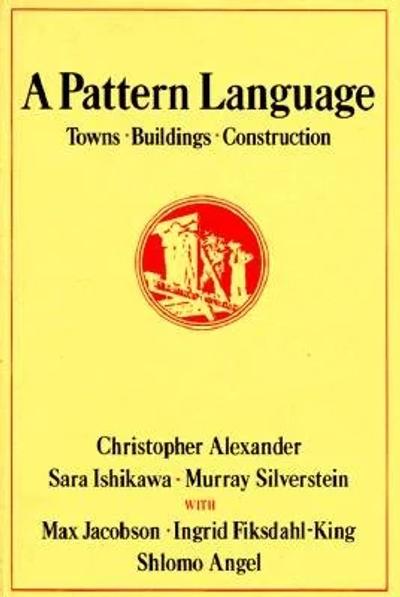
253 patterns for designing a place people can live in.
✦ READ – REFLECT → RESIST
Animal's People
Indra Sinha
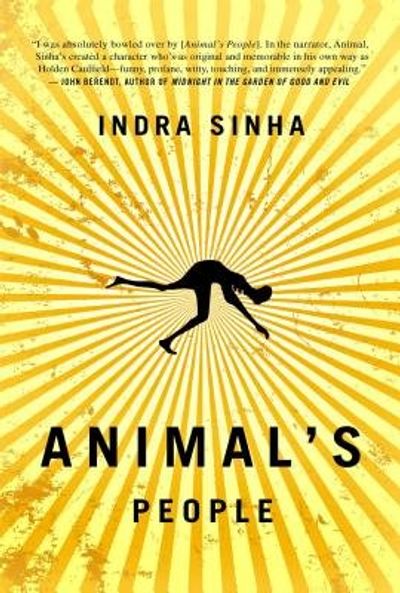
A Bhopal survivor tells it his way.
✦ READ – REFLECT → RESIST
Beauty Is a Wound
Eka Kurniawan
Indonesia's century, told by a woman back from death.
✦ READ – REFLECT → RESIST
Collective Courage: A History of African American Cooperative Economic Thought and Practice
Jessica Gordon Nembhard
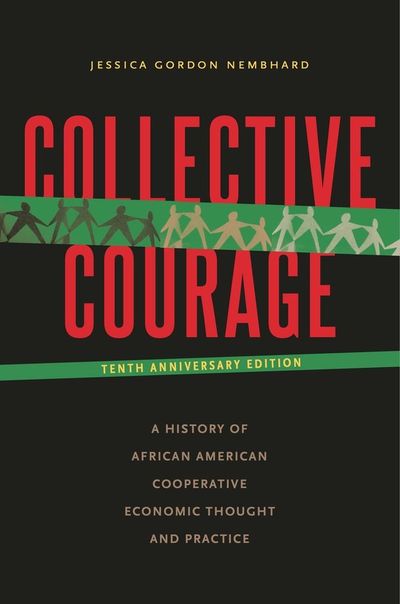
The Black co-ops history forgot to teach.
✦ READ – REFLECT → RESIST
For the family bookshelf
Same idea, written for a younger reader. Good for reading together.
A Different Pond
Bao Phi
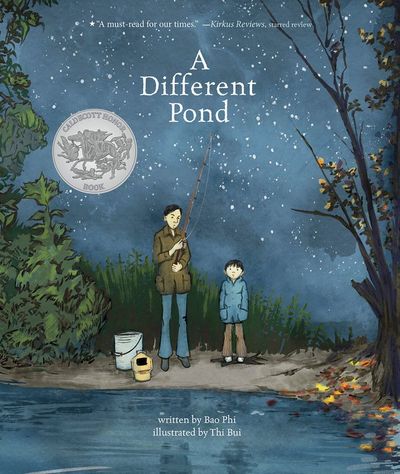
A refugee dad, a fishing pole, and 4 a.m.
✦ READ – REFLECT → RESIST
Ada's Violin: The Story of the Recycled Orchestra of Paraguay
Susan Hood
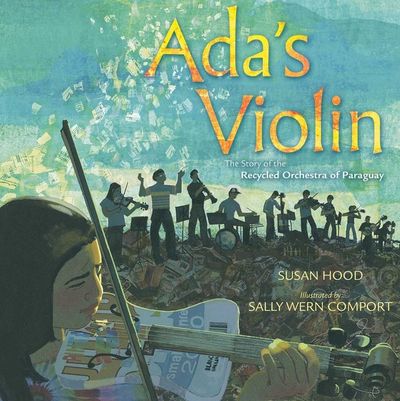
A violin made from a landfill. A real orchestra.
✦ READ – REFLECT → RESIST
Akata Witch
Nnedi Okorafor
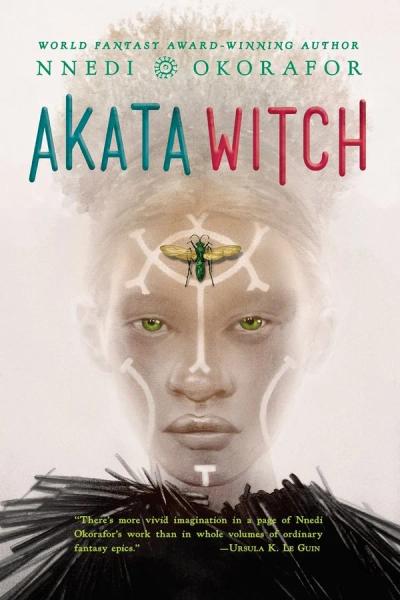
A girl who doesn't fit finds a hidden world.
✦ READ – REFLECT → RESIST
Amazing Grace
Mary Hoffman
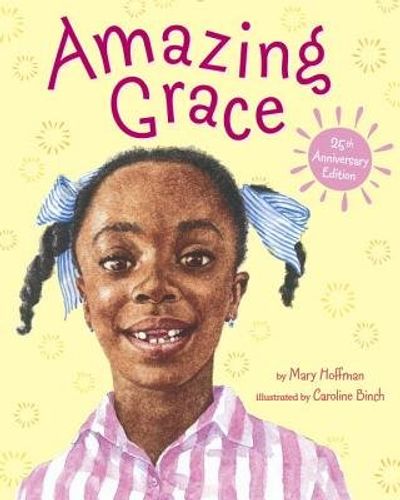
Grace wants to be Peter Pan. Classmates say no.
✦ READ – REFLECT → RESIST