
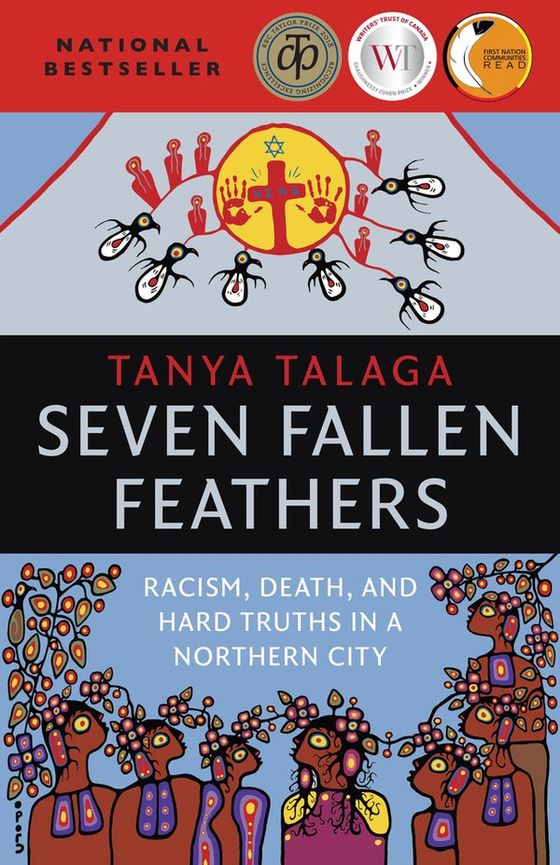
Seven Fallen Feathers: Racism, Death, and Hard Truths in a Northern City
by Tanya Talaga
Seven teens left home for school. None came back.
For you if
you think this kind of institutional neglect only happens somewhere else.
⚡ Choose Your Route ⚡
Not sold directly on this site. Support indie bookstores with a new copy, or go sustainable with a used one.
Buy New on Bookshop.orgSupports independent bookstores
— OR —
Find Used on Better World BooksSecondhand & sustainable
$20 MSRP · Paperback
Reference price shown. Other editions may be available.
Between 2000 and 2011, seven Indigenous teenagers died in Thunder Bay, Ontario. They had left remote northern communities because their home towns had no high school. Talaga follows each of them, then the police, the inquest and the long colonial history that put a child on a plane to board with strangers in order to go to school. Reported, patient and furious, it is a book about a Canadian city that treated these deaths as routine.
Where This Book Lives
- Topics
- colonialism
Pass. Journalism by a Canadian reporter of Ojibwe descent; includes the deaths of children and teens, handled with care, not sensationalized. No documented author concerns. Fills a gap on Canadian settler colonialism and on education as a site of harm. Close relatives: Indian Horse, Monkey Beach and An Indigenous Peoples' History of the United States.
Related Viewing
Shares a topic, theme, or setting with this book in the catalog.

Exterminate All the Brutes(2021)
dir. Raoul Peck
Same event: Colonialism · Same themes: Structural Violence, Who Tells History
Four hours of the colonial story, unsoftened.
A four-part essay-series by the director of I Am Not Your Negro, following the sentence that Conrad's Kurtz wrote on his report in Heart of Darkness. Peck narrates a history of colonialism, genocide and white supremacy from Columbus to the American West to the Congo, mixing archive footage, animation and staged scenes. It is the story the textbooks soften.
Why it’s here: The series connects things the curriculum keeps apart: colonial violence, slavery, the Holocaust, and the ideas that justified each. What's punk is the refusal of the neutral tone, and the fact that it names the thread. What's pedagogical is that it can be paused, discussed and argued with. Pairs with Discourse on Colonialism, Orientalism and King Leopold's Ghost. Note: it is long, essayistic and dense, and some critics call its sweep too broad.
Where to watch: Hulu (HBO original, 4 episodes, per Hulu series page); verify current US availabilityLetterboxd ↗
Touki Bouki(1973)
dir. Djibril Diop Mambéty
Same event: Colonialism · Same theme: Who Tells History
Two kids in Dakar, one dream: get to Paris.
Mory, a cowherd on a motorbike with horns on the handlebars, and Anta, a university student, want to leave Dakar for Paris and will do anything to afford the boat tickets. Mambéty's debut is a loud, dreamlike film in which a young couple's escape plan keeps crashing into the new Senegal that independence left behind.
Why it’s here: The film puts the postcolonial dream on screen as an escape fantasy. What's punk is the form: collage, noise and jump cuts, from a director who refused to follow the European rules. What's pedagogical is that it asks why leaving is the only story the country offers its youth. Pairs with Xala and Black Girl (suggested 10-19), and Sembène's films. Note: experimental and not linear; includes an animal slaughter scene.
Where to watch: Subscription: Criterion Channel, HBO Max, MUBI; rent $3.99 on Amazon and Apple TV (JustWatch US, checked 2026-08-26, so verify).Letterboxd ↗
Same event, different angle
The same history — told by someone who saw it differently.
Beauty Is a Wound
Eka Kurniawan
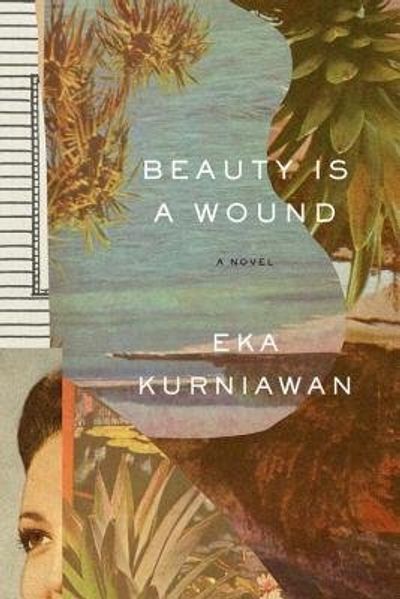
Indonesia's century, told by a woman back from death.
✦ READ – REFLECT → RESIST
The Bridge on the Drina
Ivo Andrić
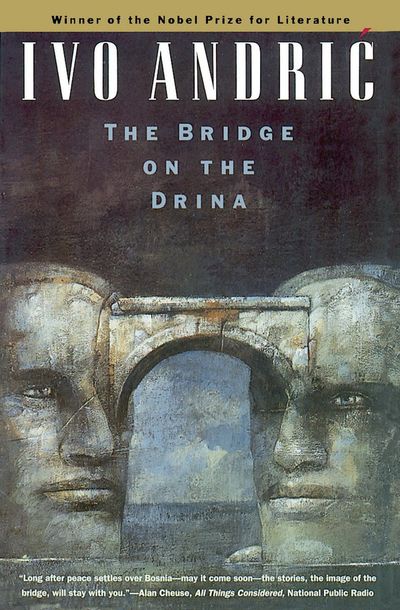
The bridge outlasted them all. Almost.
✦ READ – REFLECT → RESIST
Gulliver's Travels
Jonathan Swift

Swift's mean, necessary joke about rulers.
✦ READ – REFLECT → RESIST
The Pleasures of Exile
George Lamming
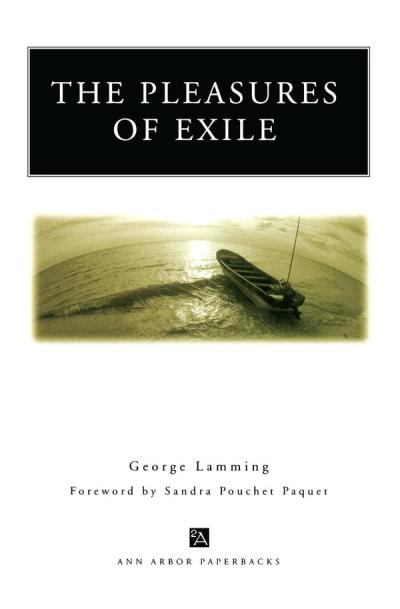
Caliban reads The Tempest and writes back.
✦ READ – REFLECT → RESIST
Same pattern, different era
Different time, different place. The same thing keeps happening.
A Girl Is a Body of Water
Jennifer Nansubuga Makumbi
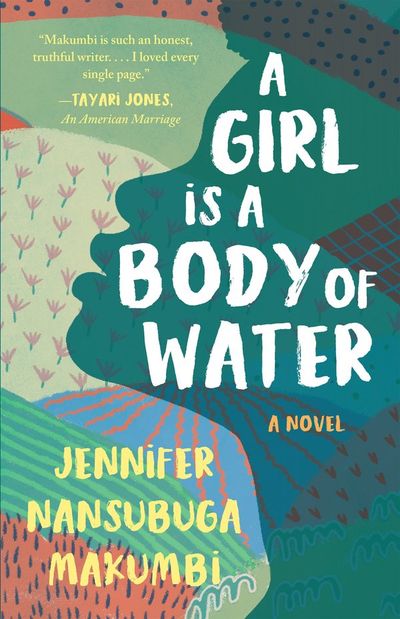
A Ugandan girl asks who the women before her were.
✦ READ – REFLECT → RESIST
A Pattern Language: Towns, Buildings, Construction
Christopher Alexander et al.
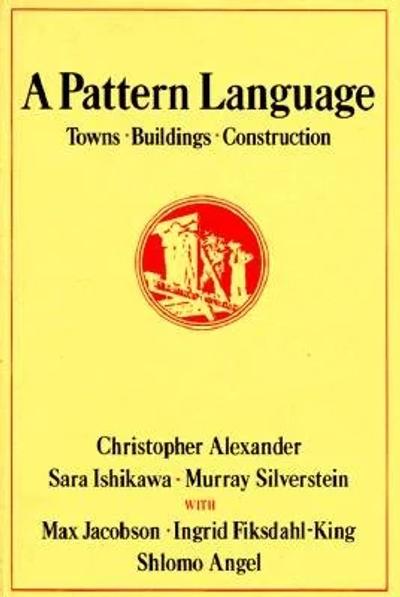
253 patterns for designing a place people can live in.
✦ READ – REFLECT → RESIST
Anger Is a Gift
Mark Oshiro
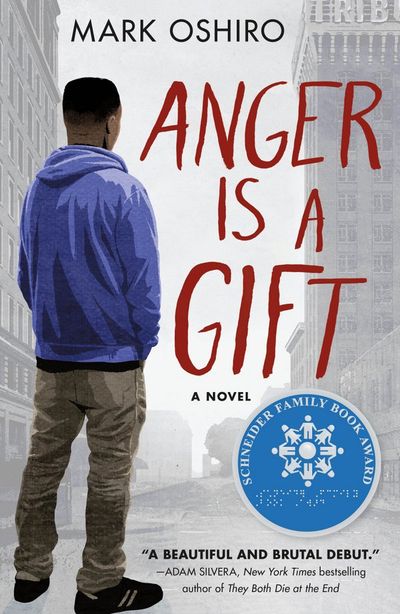
The anger you've been told to put down.
✦ READ – REFLECT → RESIST
Beauty Is a Wound
Eka Kurniawan
Indonesia's century, told by a woman back from death.
✦ READ – REFLECT → RESIST
For the family bookshelf
Same idea, written for a younger reader. Good for reading together.
A Different Pond
Bao Phi
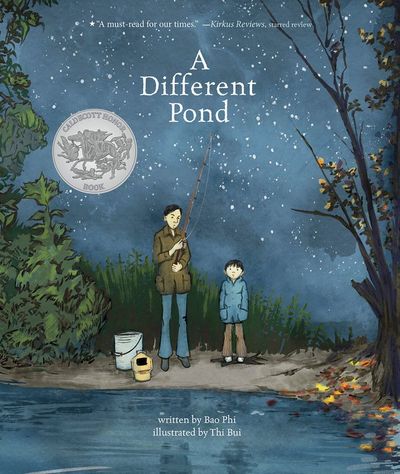
A refugee dad, a fishing pole, and 4 a.m.
✦ READ – REFLECT → RESIST
Ada's Violin: The Story of the Recycled Orchestra of Paraguay
Susan Hood
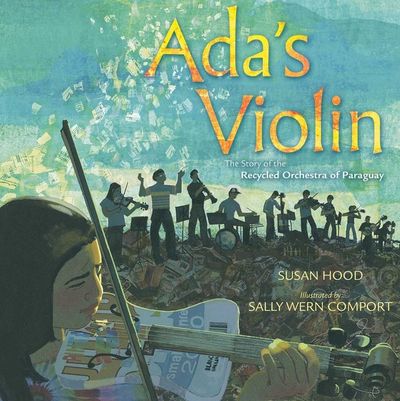
A violin made from a landfill. A real orchestra.
✦ READ – REFLECT → RESIST
Akata Witch
Nnedi Okorafor
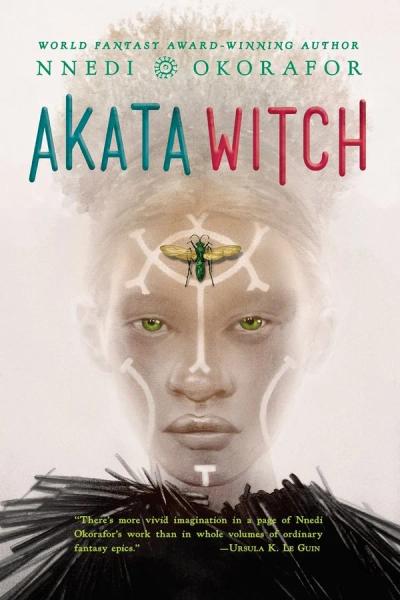
A girl who doesn't fit finds a hidden world.
✦ READ – REFLECT → RESIST
Amina's Voice
Hena Khan
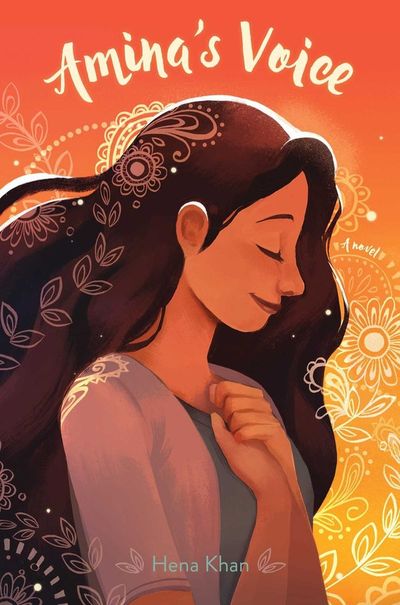
A shy girl sings out after her mosque is attacked.
✦ READ – REFLECT → RESIST