
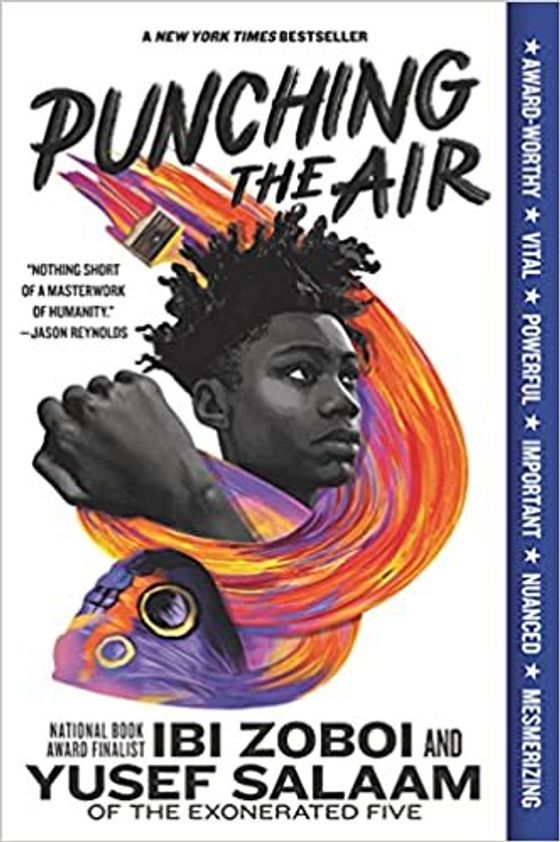
Punching the Air
by Ibi Zoboi & Yusef Salaam
A teen artist, wrongly locked up. In verse.
For you if
you want a teen to see how the system decides who a kid is.
⚡ Choose Your Route ⚡
Not sold directly on this site. Support indie bookstores with a new copy, or go sustainable with a used one.
Buy New on Bookshop.orgSupports independent bookstores
— OR —
Find Used on Better World BooksSecondhand & sustainable
$12 MSRP · Paperback
Reference price shown. Other editions may be available.
Amal is sixteen, an artist and a poet, and he is sent to prison for a crime he didn't commit. Told in verse, the book follows him through the first weeks inside, where the system's idea of who he is turns out to be louder than his own. Yusef Salaam co-wrote it; he was one of the five Black and Latino teenagers wrongly convicted in the 1989 Central Park jogger case and exonerated in 2002. Short, intense, and hard to put down.
Where This Book Lives
Co-written by Ibi Zoboi and Yusef Salaam, who spent almost seven years incarcerated. Pass with note: it's intense and has drawn school challenges; verify the challenge record before setting isBanned. Pairs with Long Way Down and The Hate U Give.
Related Viewing
Shares a topic, theme, or setting with this book in the catalog.
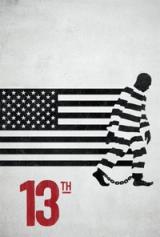
13th(2016)
dir. Ava DuVernay
Same event: Mass Incarceration · Same theme: Racial Injustice
The 13th Amendment's loophole built a prison nation.
Ava DuVernay's documentary traces one clause of the 13th Amendment, which abolished slavery except as punishment for a crime, from Reconstruction convict leasing through Jim Crow, the War on Drugs and the modern prison boom. Historians, activists and politicians make the case that mass incarceration is slavery's afterlife by another legal name.
Why it’s here: The punk move is the thesis itself: it reads the Constitution's own text as the loophole and then follows the money and the rhetoric, including footage of the politicians who built the machine, straight to the present. The pedagogy is in the method. It teaches a viewer to trace a single policy lever across 150 years instead of treating each era as a separate story, which is a transferable habit of mind. Worth knowing that some historians argue its straight line from slavery to prisons flattens a more tangled history, so watch it as a forceful argument rather than a settled account.
Where to watch: Streaming on NetflixLetterboxd ↗
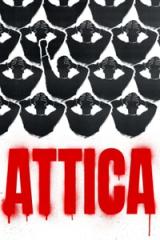
Attica(2021)
dir. Stanley Nelson & Traci A. Curry
Same event: Mass Incarceration · Same theme: Racial Injustice
The prison uprising, in survivors’ words.
A documentary on the September 1971 uprising at Attica Correctional Facility in New York, when about 1,300 incarcerated men took over the prison to demand basic rights, and the state's assault that ended it killed 39 men, prisoners and hostages alike. Built from archival footage and testimony from survivors. It was nominated for the Oscar for Best Documentary Feature.
Why it’s here: The film puts the people who lived it back in charge of the story, and the story is how a state answers a list of demands. What's punk is the demands themselves: showers, food, medical care, the right to be treated as human. What's pedagogical is the aftermath, the gap between what officials said happened and what survivors and records show. It's a lesson in how to read an official account.
Where to watch: Paramount+; rent Amazon, FandangoLetterboxd ↗
Same event, different angle
The same history — told by someone who saw it differently.
The 57 Bus
Dashka Slater
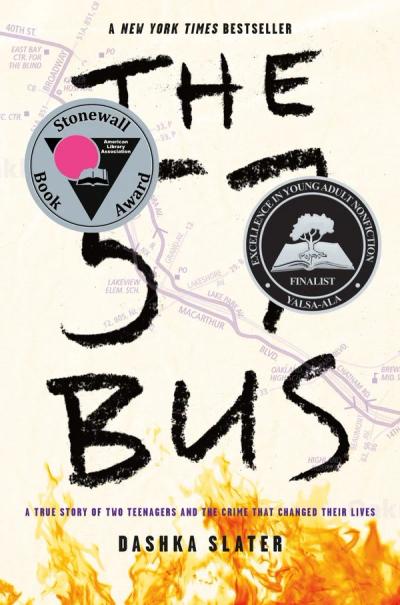
True story: a nonbinary teen, a Black teen, Oakland
✦ READ – REFLECT → RESIST
Abolition. Feminism. Now.
Angela Y. Davis, Gina Dent, Erica R. Meiners & Beth E. Richie
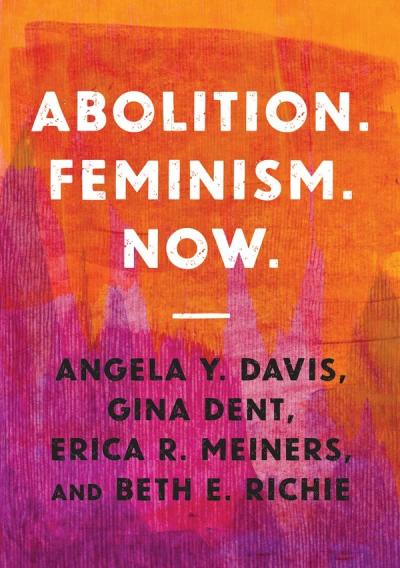
Safety without cages, built by feminists.
✦ READ – REFLECT → RESIST
Anger Is a Gift
Mark Oshiro
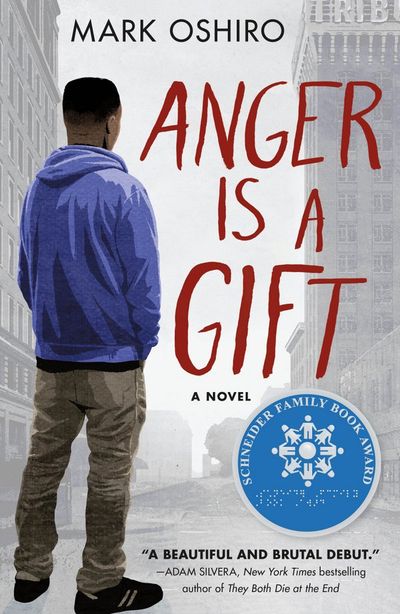
The anger you've been told to put down.
✦ READ – REFLECT → RESIST
Empire of Pain
Patrick Radden Keefe
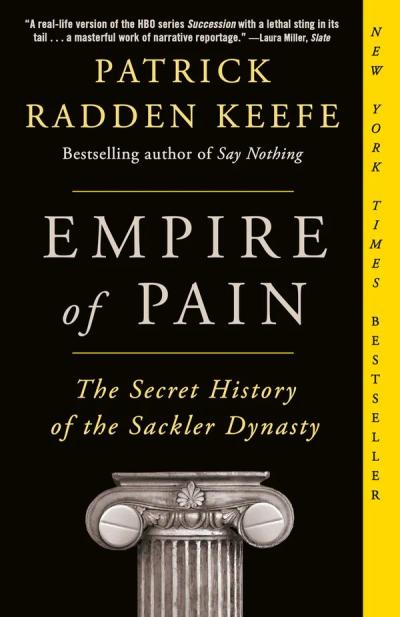
Philanthropy as cover. Addiction as business model.
✦ READ – REFLECT → RESIST
Same pattern, different era
Different time, different place. The same thing keeps happening.
Anger Is a Gift
Mark Oshiro
The anger you've been told to put down.
✦ READ – REFLECT → RESIST
Different Seasons
Stephen King
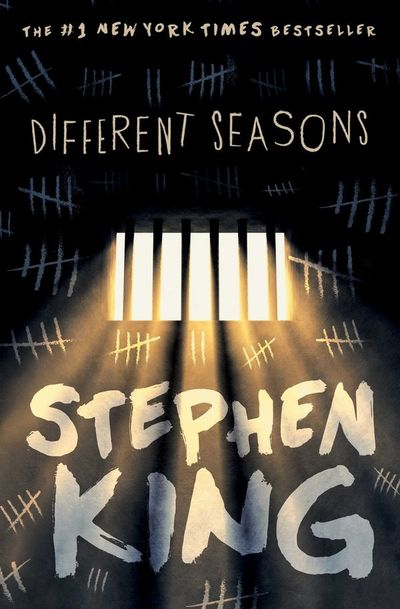
How fascism finds the boy next door.
✦ READ – REFLECT → RESIST
Home to Stay!: The Complete Ray Bradbury EC Stories
Ray Bradbury
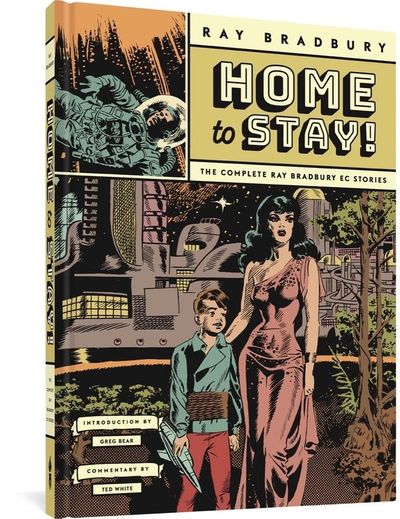
The stories Fredric Wertham needed you not to read.
✦ READ – REFLECT → RESIST
Hope in the Dark
Rebecca Solnit
Hope is a practice, not a feeling.
✦ READ – REFLECT → RESIST
For the family bookshelf
Same idea, written for a younger reader. Good for reading together.
Zeitoun
Dave Eggers
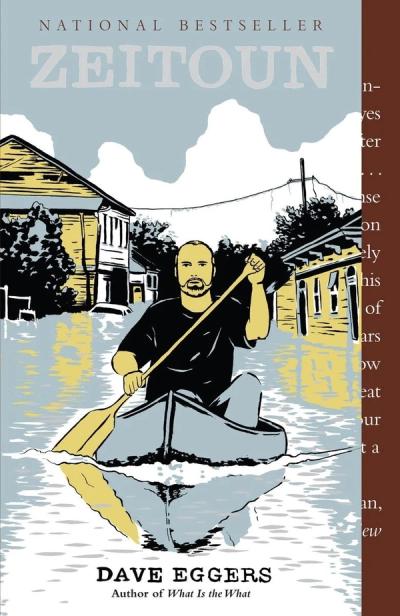
He stayed to help after Katrina. They arrested him instead.
✦ READ – REFLECT → RESIST
Claudette Colvin: Twice Toward Justice
Phillip Hoose
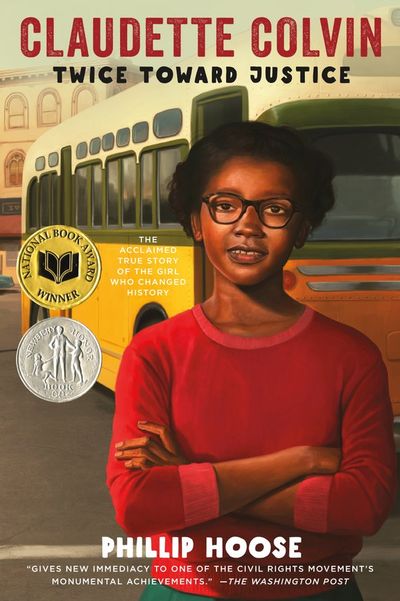
She refused first. History forgot her anyway.
✦ READ – REFLECT → RESIST
Efrén Divided
Ernesto Cisneros
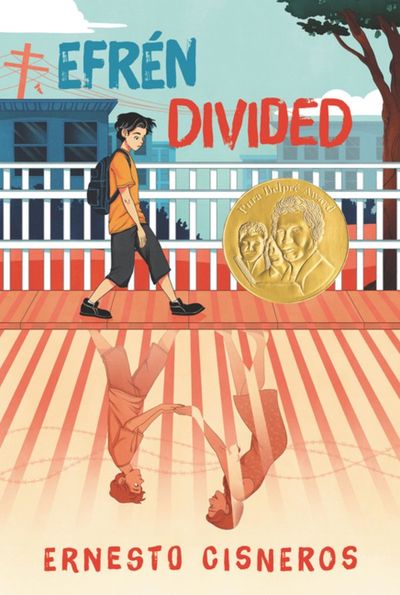
Family separation, from the inside.
✦ READ – REFLECT → RESIST
Ghost Boys
Jewell Parker Rhodes
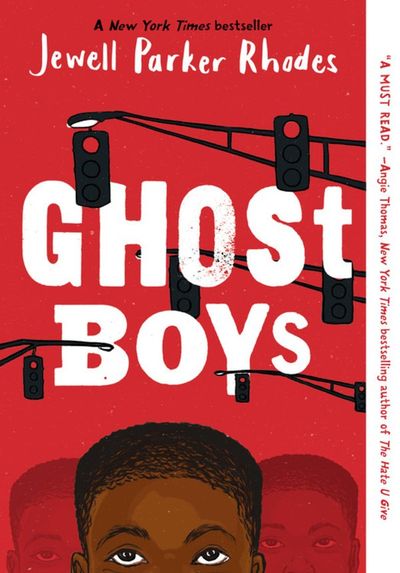
A boy killed by police tells it himself.
✦ READ – REFLECT → RESIST