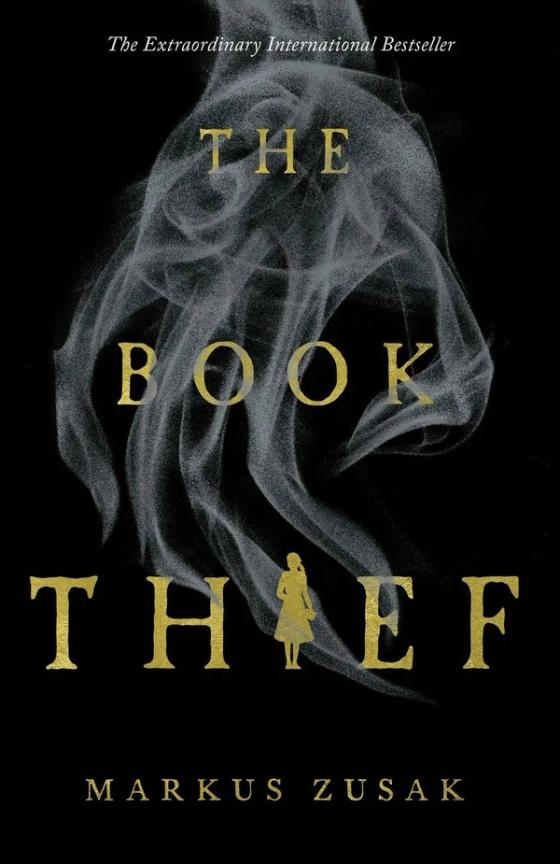
The Book Thief
by Markus Zusak
Nazi Germany. A girl steals books. Death is watching.
For you if
you want to understand what it felt like to be an ordinary person in Nazi Germany — not a monster, not a hero, just someone trying to stay human
⚡ Choose Your Route ⚡
Not sold directly on this site. Support indie bookstores with a new copy, or go sustainable with a used one.
Buy New on Bookshop.orgSupports independent bookstores
— OR —
Find Used on Better World BooksSecondhand & sustainable
$15 MSRP
Reference price shown. Other editions may be available.
Liesel Meminger is a young girl living with a foster family on Himmel Street in Nazi Germany. She steals books. Death narrates. Zusak — Australian, the son of German and Austrian immigrants — writes from inside the experience of ordinary Germans living under the Third Reich: not the perpetrators, not the resisters, but the people on a street trying to survive something they didn't fully choose and can't fully escape. A Jewish man hides in the basement. Hans Hubermann plays the accordion. Words become the only thing that holds against the darkness. The most widely read YA novel about WWII and the one that most honestly shows what it cost ordinary people to be good inside a system designed to make goodness dangerous.
Where This Book Lives
- Setting
- Germany • Europe
- Voice
- An outside perspective on Germany
- Topics
- nazi germany
Part of a Reading Journey

Related Viewing
Shares a topic, theme, or setting with this book in the catalog.
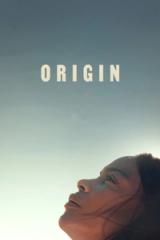
Origin(2023)
dir. Ava DuVernay
Racism is the symptom. Caste is the disease.
While grappling with personal loss, Pulitzer-winning writer Isabel Wilkerson traces a hidden architecture connecting racial hierarchy in America, the caste system in India, and the machinery of Nazi Germany. Adapted from Wilkerson's book Caste: The Origins of Our Discontents.
Why it’s here: Punk in daring to name America's racial order as a caste system, kin to India's and Nazi Germany's, rather than a uniquely American aberration. Pedagogical in dramatizing how a writer's own grief becomes the engine of rigorous, world-spanning research.
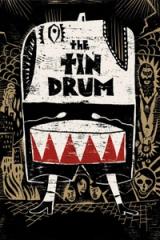
The Tin Drum(1979)
dir. Volker Schlöndorff
A boy who refuses to grow up in a country that won't.
Born in Danzig in 1924 with an adult intellect, Oskar decides to stop growing at age three and watches, tin drum in hand, as Germany slides into Nazism and war. Adapted from Günter Grass's Nobel-adjacent novel.
Why it’s here: Punk in its total commitment to a surreal metaphor — Oskar's stunted body becomes a mirror for a society arresting its own moral development under fascism. Pedagogical, with a real caveat around its content, in using grotesque satire to indict complicity rather than heroism.
Same event, different angle
The same history — told by someone who saw it differently.
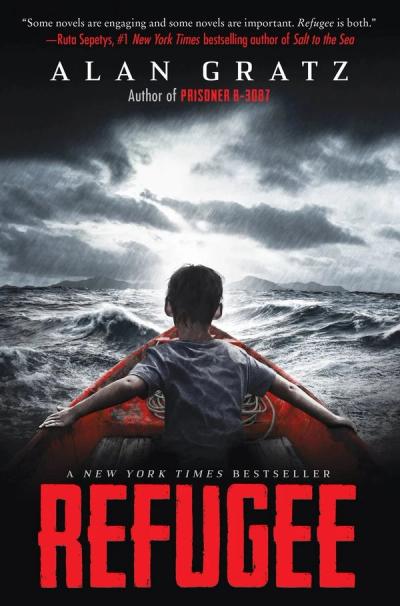
Same pattern, different era
Different time, different place. The same thing keeps happening.
Sister Outsider
Audre Lorde
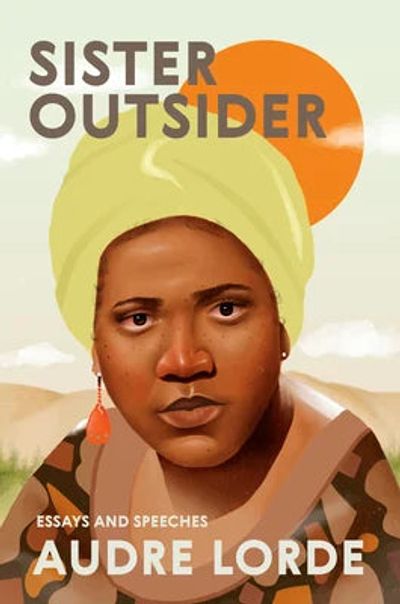
Poetry with teeth and a megaphone.
✦ READ – REFLECT → RESIST
Freedom Dreams
Robin D. G. Kelley
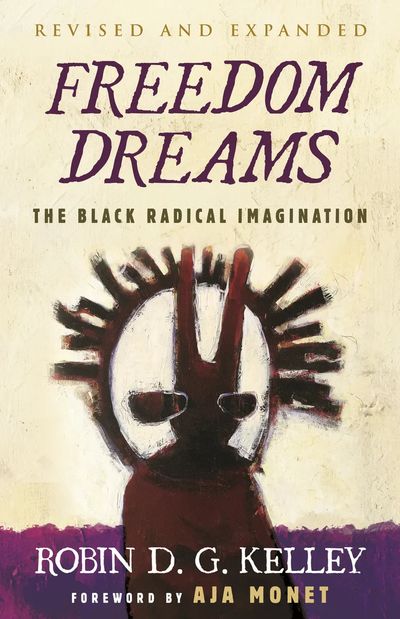
Radical hope as resistance strategy.
✦ READ – REFLECT → RESIST
Fantastic Mr Fox
Roald Dahl
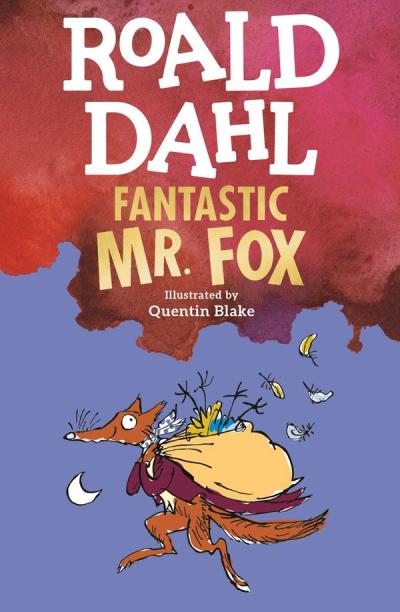
Three farmers vs. one fox. The fox feeds his whole community.
✦ READ – REFLECT → RESIST
Change Sings
Amanda Gorman
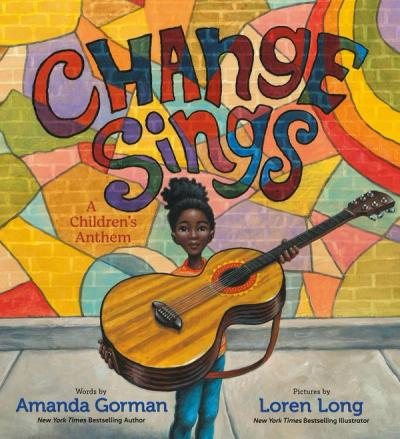
Kids, courage, and the sound of change.
✦ READ – REFLECT → RESIST
For the grown-up bookshelf
Same idea, written for a grown-up. Good for the adult in the room, too.
Burning the Books: A History of Knowledge Under Attack
Richard Ovenden
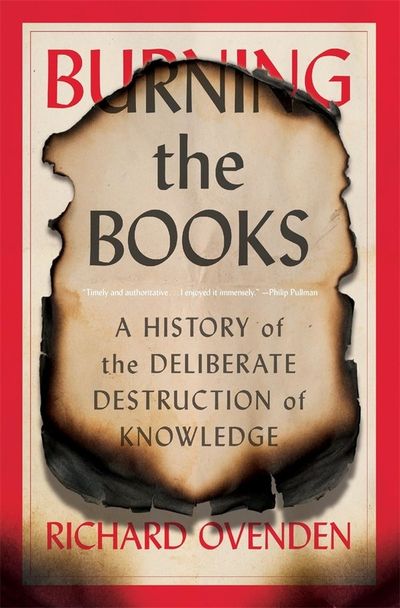
Knowledge was always the target.
✦ READ – REFLECT → RESIST
Different Seasons
Stephen King
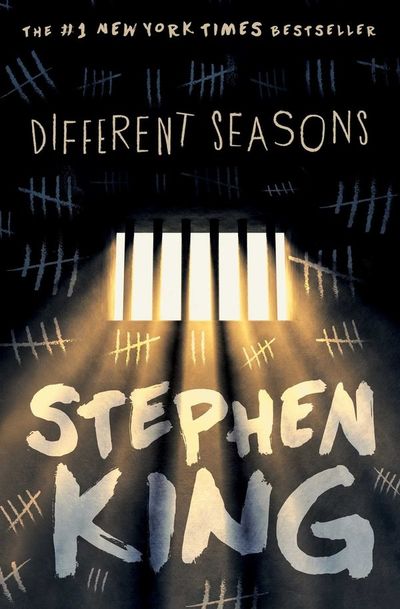
How fascism finds the boy next door.
✦ READ – REFLECT → RESIST
A Young People’s History of the United States
Howard Zinn
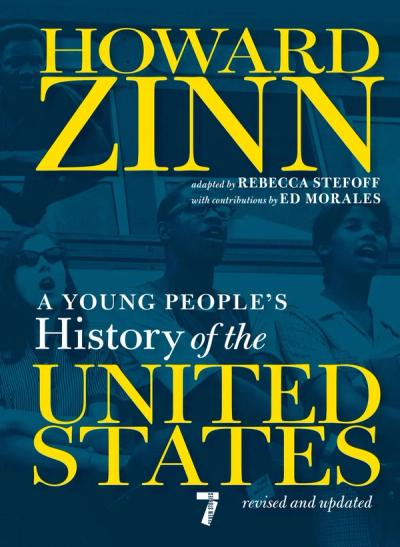
Zinn, but sized for rebellion.
✦ READ – REFLECT → RESIST
A Black Women’s History of the United States
Daina Ramey Berry & Kali Nicole Gross

America seen through eyes that built it.
✦ READ – REFLECT → RESIST