
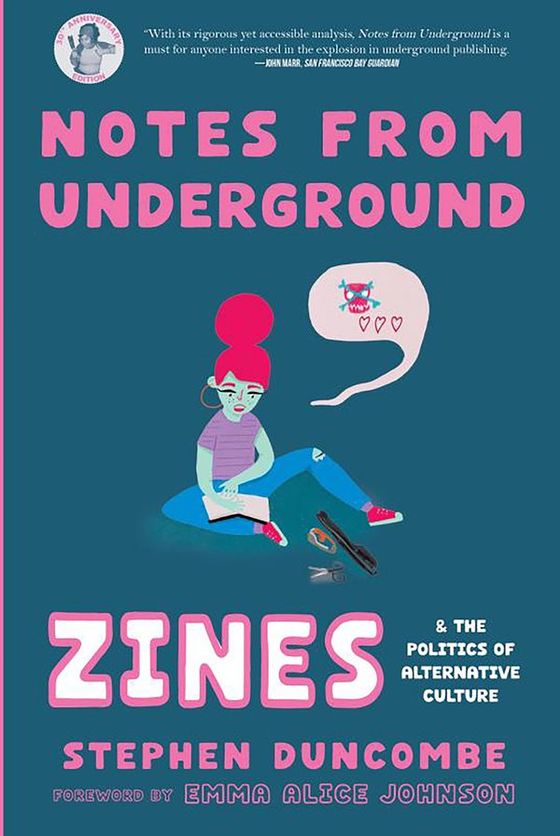
Notes from Underground: Zines and the Politics of Alternative Culture
by Stephen Duncombe
Why people make zines, and what it changes.
For you if
you have a photocopier, a stapler and something to say.
⚡ Choose Your Route ⚡
Not sold directly on this site. Support indie bookstores with a new copy, or go sustainable with a used one.
Buy New on Bookshop.orgSupports independent bookstores
— OR —
Find Used on Better World BooksSecondhand & sustainable
$22 MSRP · Paperback
Reference price shown. Other editions may be available.
Duncombe, a media scholar, spent years among the people who staple together their own magazines. He maps how zines grew out of punk and fandom, why people choose a photocopier over a publisher, and what that says about wanting a culture you control. He is honest about the limits: many zines are navel-gazing, and few reach beyond the scene.
Where This Book Lives
Pass with note. First published 1997, so the internet chapters are dated, and Duncombe is a participant-observer who sometimes romanticizes the scene. It is still the best book-length account of zine politics. Direct tie to P&P's own zine and the SoCal zine fests. Close relatives: Please Kill Me and Our Band Could Be Your Life.
Related Viewing
Shares a topic, theme, or setting with this book in the catalog.
Crip Camp(2020)
dir. Nicole Newnham & James LeBrecht
Same themes: Activism, Collective Action
A summer camp that started a rights movement.
In the early 1970s, a ramshackle summer camp for teenagers with disabilities near Woodstock, Camp Jened, ran on hippie rules: no adults in charge of the kids' lives. The campers, among them co-director James LeBrecht and the future activist Judy Heumann, went on to organize the sit-ins and protests that helped win the Americans with Disabilities Act. It was produced for Netflix and was nominated for the Oscar for Best Documentary Feature.
Why it’s here: The film shows that a movement can begin as a summer. What's punk is that the people it follows organize without asking permission, and refuse to be treated as objects of pity. What's pedagogical is the through-line from a place where kids ran their own lives to a federal law that changed what was possible. It's a rare entry on disability and civil rights, and a natural fit for DoCR's self-organization principle.
Where to watch: Streaming on NetflixLetterboxd ↗
Ikiru(1952)
dir. Akira Kurosawa
Same themes: Activism, Community
A bureaucrat with six months to build one thing.
Watanabe is a Tokyo city-hall bureaucrat who has stamped papers for thirty years. When he learns he is dying, he spends his savings on a night out, finds it empty, and then returns to his office to push through a request from mothers who want a children's playground built on a swamp. The film is in two halves, the second set at his wake.
Why it’s here: The film is about the paperwork that stops anything from being built, and the one man who decides to defeat it. What's punk is the war on bureaucracy, and the wake scene where his colleagues take credit. What's pedagogical is a lesson in how a small act inside a system gets shaped by the people who tell the story after. Kurosawa's memoir is in the catalog as Something Like an Autobiography.
Where to watch: Free on Kanopy; Criterion Channel; HBO Max; rent $2.99 on Amazon and Fandango At Home (unsub.tv and Criterion Channel, Oct 2026)Letterboxd ↗
Same pattern, different era
Different time, different place. The same thing keeps happening.
A Girl Is a Body of Water
Jennifer Nansubuga Makumbi
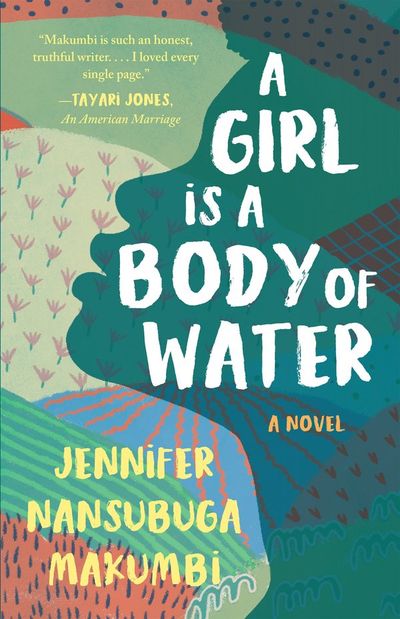
A Ugandan girl asks who the women before her were.
✦ READ – REFLECT → RESIST
Aristophanes' Lysistrata: A Dual Language Edition
Aristophanes
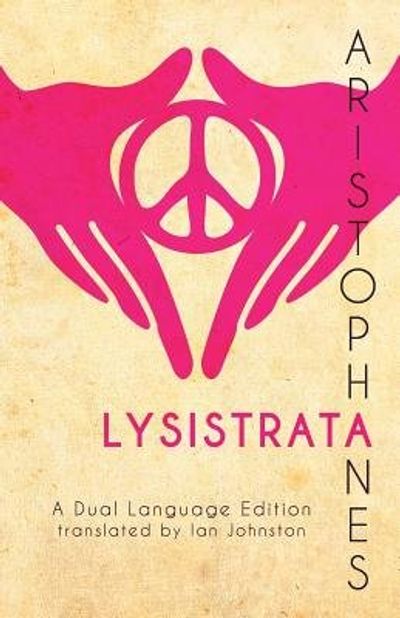
The oldest sex strike in history. Still works.
✦ READ – REFLECT → RESIST
Evicted: Poverty and Profit in the American City
Matthew Desmond
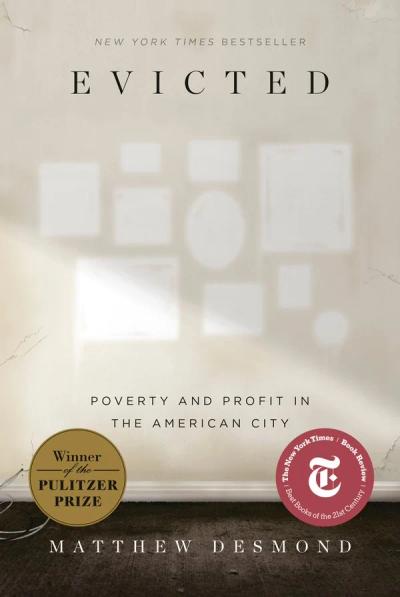
Eight families, a landlord, and the eviction machine.
✦ READ – REFLECT → RESIST
Girl, Woman, Other
Bernardine Evaristo

Twelve Black British lives, one unbroken chorus.
✦ READ – REFLECT → RESIST
For the family bookshelf
Same idea, written for a younger reader. Good for reading together.
A Different Pond
Bao Phi
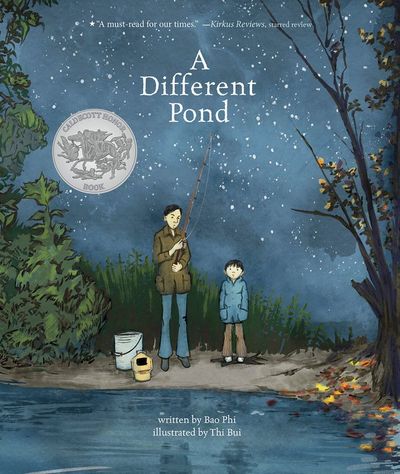
A refugee dad, a fishing pole, and 4 a.m.
✦ READ – REFLECT → RESIST
Amal Unbound
Aisha Saeed
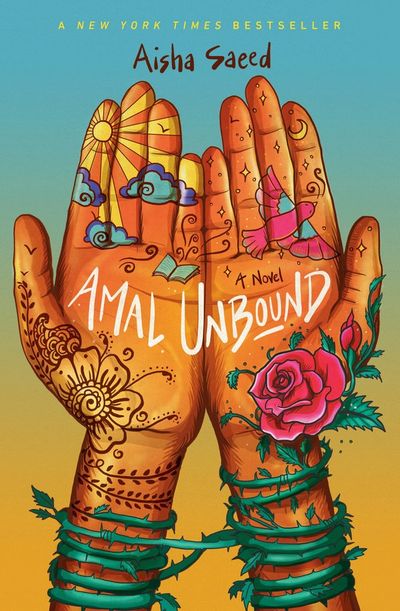
The debt wasn't hers. The cage is.
✦ READ – REFLECT → RESIST
Amina's Voice
Hena Khan
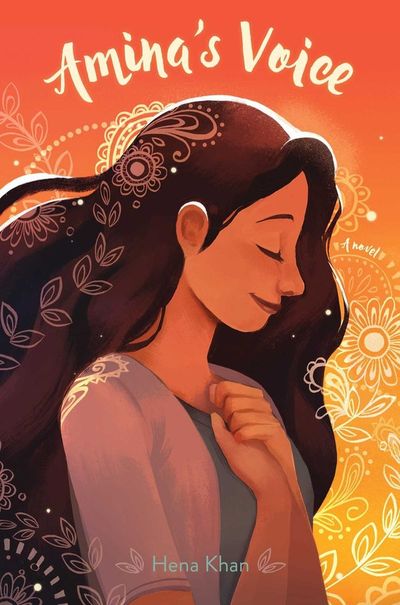
A shy girl sings out after her mosque is attacked.
✦ READ – REFLECT → RESIST
Big Red Lollipop
Rukhsana Khan

A big sister, a birthday party, and who gets included.
✦ READ – REFLECT → RESIST