
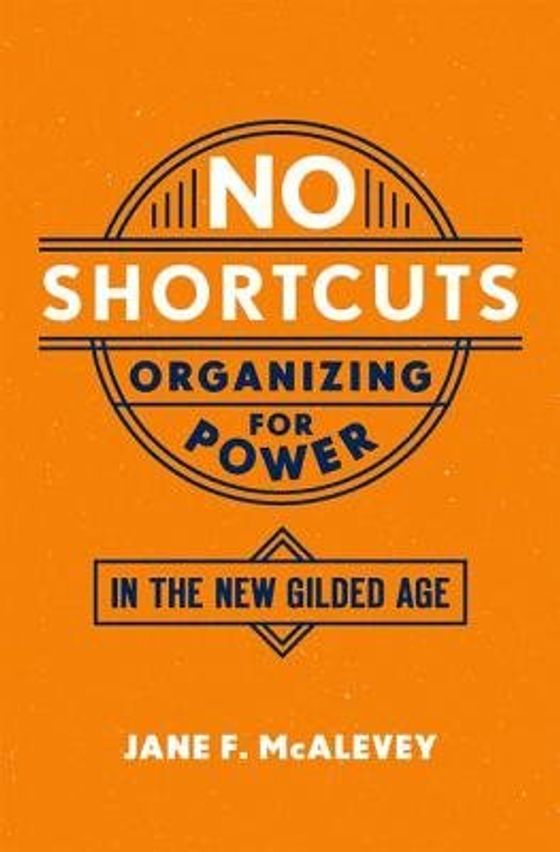
No Shortcuts: Organizing for Power in the New Gilded Age
by Jane F. McAlevey
Winning means organizing, not just marching.
For you if
you're ready to learn how ordinary people actually win.
⚡ Choose Your Route ⚡
Not sold directly on this site. Support indie bookstores with a new copy, or go sustainable with a used one.
Buy New on Bookshop.orgSupports independent bookstores
— OR —
Find Used on Better World BooksSecondhand & sustainable
$20 MSRP · Paperback
Reference price shown. Other editions may be available.
McAlevey spent years as a union organizer and learned that campaigns win when they build a deep majority of ordinary people, not when they stage a rally and hope. She draws a hard line between mobilizing the already-committed and organizing everyone else, and uses strikes, hospital campaigns and the Chicago teachers as case studies. If you want to know how people actually win a fight at work or in a town, start here.
Where This Book Lives
Pass with note. Openly partisan toward union organizing, and some labor scholars dispute her sharp organizing-versus-mobilizing split and her view of professional advocacy groups. Written in 2016 so the examples are dated. No documented concerns. Close relatives: Rules for Radicals, This Is an Uprising (suggested 11-02) and Mutual Aid: Building Solidarity During This Crisis (and the Next).
Related Viewing
Shares a topic or setting with this book, or several of its themes.
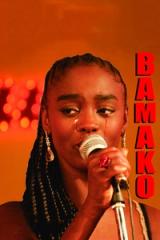
Bamako(2006)
dir. Abderrahmane Sissako
Same themes: Collective Action, Community
A Malian courtyard puts the World Bank on trial.
In a courtyard in Bamako, Mali, a real trial is staged: African civil society puts the World Bank and the IMF in the dock for the damage done by structural adjustment. Lawyers argue, witnesses testify, and around them the family life of the yard goes on: a singer, a husband and wife whose marriage is breaking, a man building a grave. Sissako lets a western play on a television in the background. It is a film that argues, and is also a film about people.
Why it’s here: It's a film that puts debt and aid on trial, in the courtyard where they land. What's punk is the staging: the powerful are summoned to a poor man's yard and made to answer. What's pedagogical is the way it makes an abstract system concrete, with testimony, cross-examination and the lives around it. Pairs with Debt, The Shock Doctrine and Xala. Note: slow, argumentative and in French and Bambara with subtitles; includes a staged western spoof and an intentionally uncomfortable moment of violence. Sissako's Timbuktu was suggested 10-14.
Where to watch: Subscription: MUBI ($14.99/mo), OVID ($6.99/mo); free with library card on Kanopy, Hoopla; rent $3.99 Amazon / $4.99 Apple TV; buy $10.99 (JustWatch US, checked 2026-10-01, re-check). Verify.Letterboxd ↗
Billy Elliot(2000)
dir. Stephen Daldry
Same themes: Collective Action, Community
A miner's son wants to dance. The strike is on.
In a Durham mining town during the 1984 strike, eleven-year-old Billy is sent to boxing lessons and sneaks into the ballet class next door. His father and brother are on the picket line, and the idea that Billy might dance is almost as hard for them as the strike. It is a family story, a class story and a story about who is allowed to want what.
Why it’s here: It's a film about what a community does with a kid who doesn't fit. What's punk is the strike behind the story: the film doesn't treat the picket line as a backdrop. What's pedagogical is the question it asks at the dinner table: who decides what boys are allowed to love? Pairs with Pride (suggested 10-14), The Ragged-Trousered Philanthropists and Julian Is a Mermaid. Note: strike-era police violence and homophobic and gender-policing insults; PG-13 equivalent (15 in the UK).
Where to watch: Rent $3.99 / buy $14.99 on Amazon, Apple TV, Fandango At Home; no subscription or free option listed (JustWatch US, checked 2026-10-01, so re-check).Letterboxd ↗
Same pattern, different era
Different time, different place. The same thing keeps happening.
A Brief History of Neoliberalism
David Harvey
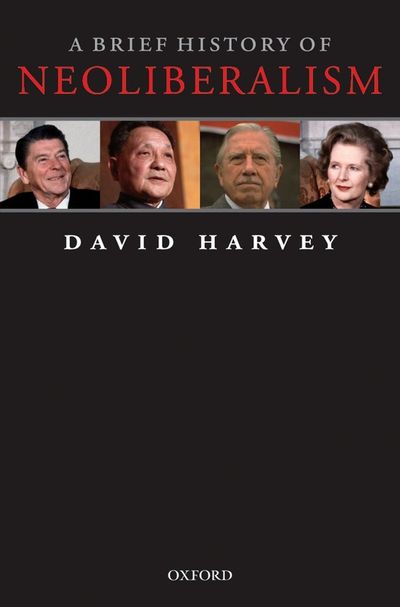
How "free markets" became everyone's common sense.
✦ READ – REFLECT → RESIST
A Girl Is a Body of Water
Jennifer Nansubuga Makumbi
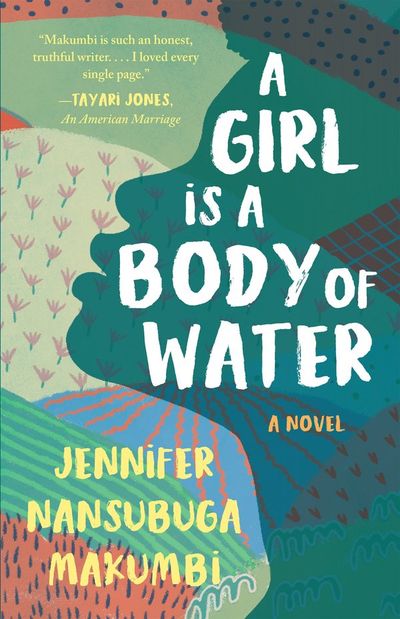
A Ugandan girl asks who the women before her were.
✦ READ – REFLECT → RESIST
A Problem from Hell: America and the Age of Genocide
Samantha Power
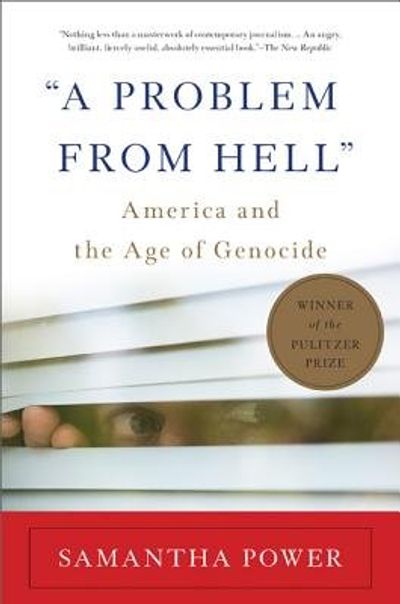
'Never again,' again and again.
✦ READ – REFLECT → RESIST
All About Me!: My Remarkable Life in Show Business
Mel Brooks
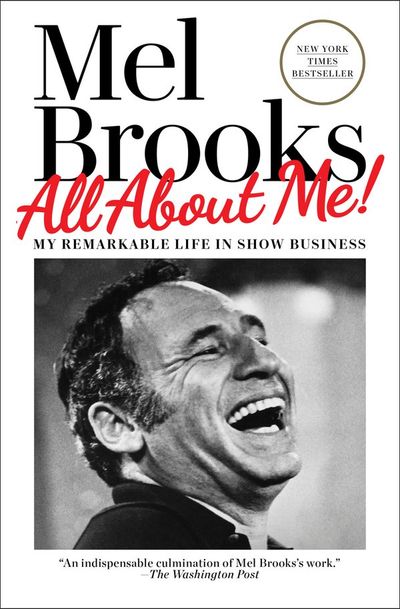
Tyrants hate being laughed at. Mel knew.
✦ READ – REFLECT → RESIST
For the family bookshelf
Same idea, written for a younger reader. Good for reading together.
A Different Pond
Bao Phi
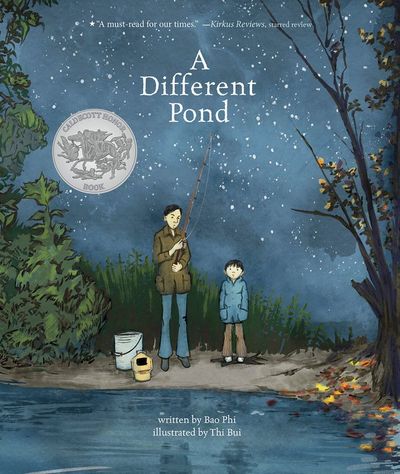
A refugee dad, a fishing pole, and 4 a.m.
✦ READ – REFLECT → RESIST
Ada's Violin: The Story of the Recycled Orchestra of Paraguay
Susan Hood
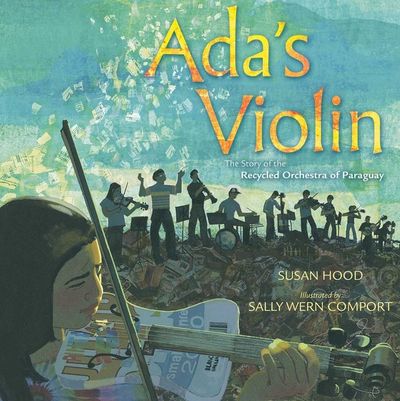
A violin made from a landfill. A real orchestra.
✦ READ – REFLECT → RESIST
Akata Witch
Nnedi Okorafor
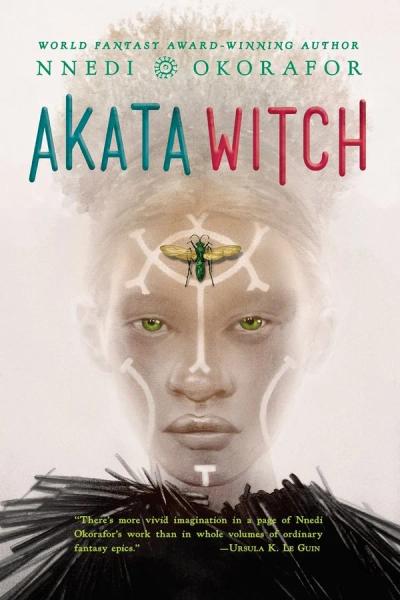
A girl who doesn't fit finds a hidden world.
✦ READ – REFLECT → RESIST
Amal Unbound
Aisha Saeed
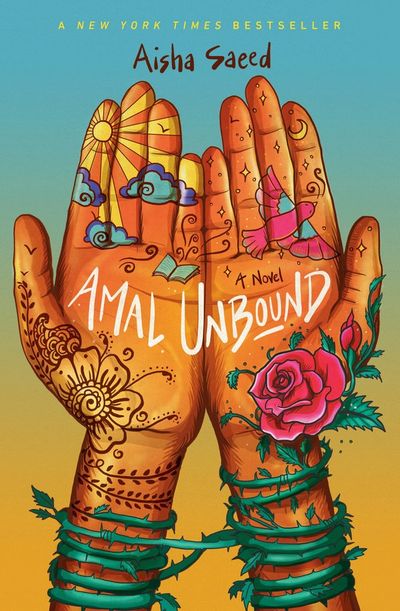
The debt wasn't hers. The cage is.
✦ READ – REFLECT → RESIST