
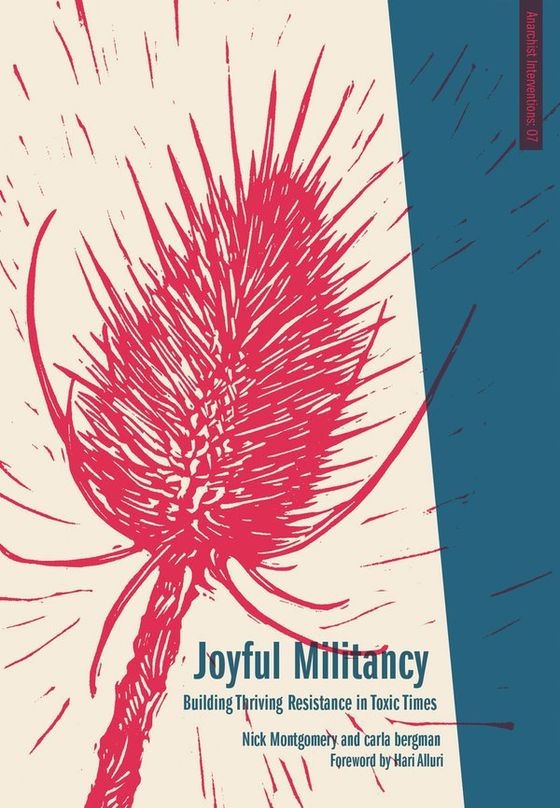
Joyful Militancy: Building Thriving Resistance in Toxic Times
by Carla Bergman & Nick Montgomery
Resistance that doesn't burn everyone out.
For you if
you want to fight for something without losing yourself.
⚡ Choose Your Route ⚡
Not sold directly on this site. Support indie bookstores with a new copy, or go sustainable with a used one.
Buy New on Bookshop.orgSupports independent bookstores
— OR —
Find Used on Better World BooksSecondhand & sustainable
$20 MSRP · Paperback
Reference price shown. Other editions may be available.
Two organizers ask why so many movements turn into places of suspicion, callouts and burnout. They argue that 'militancy' can be about joy and curiosity as much as about purity, and they look at groups that built resistance that felt good to be inside. It is a book about activist culture from people who love it and want it to be less brutal.
Where This Book Lives
Pass with note. Published by AK Press and written from an anarchist standpoint; the prose can be jargon-heavy, and some readers will find its critique of callout culture contentious. No documented concerns about the authors. Close relatives: Emergent Strategy, Mutual Aid (Dean Spade) and Pleasure Activism (suggested 10-16).
Related Viewing
Shares a topic, theme, or setting with this book in the catalog.
Billy Elliot(2000)
dir. Stephen Daldry
Same themes: Collective Action, Community
A miner's son wants to dance. The strike is on.
In a Durham mining town during the 1984 strike, eleven-year-old Billy is sent to boxing lessons and sneaks into the ballet class next door. His father and brother are on the picket line, and the idea that Billy might dance is almost as hard for them as the strike. It is a family story, a class story and a story about who is allowed to want what.
Why it’s here: It's a film about what a community does with a kid who doesn't fit. What's punk is the strike behind the story: the film doesn't treat the picket line as a backdrop. What's pedagogical is the question it asks at the dinner table: who decides what boys are allowed to love? Pairs with Pride (suggested 10-14), The Ragged-Trousered Philanthropists and Julian Is a Mermaid. Note: strike-era police violence and homophobic and gender-policing insults; PG-13 equivalent (15 in the UK).
Where to watch: Rent $3.99 / buy $14.99 on Amazon, Apple TV, Fandango At Home; no subscription or free option listed (JustWatch US, checked 2026-10-01, so re-check).Letterboxd ↗

Fantastic Planet(1973)
dir. René Laloux
Same themes: Collective Action, Courage
Pet humans learn to read. The giants panic.
On a distant planet, giant blue Draags keep tiny humans, called Oms, as pets. One Om, Terr, escapes with a stolen learning device and teaches himself to read. The Oms organize in the wild and the Draags have to decide what to do. Animated by Roland Topor and made in Czechoslovakia, it won a Special Jury Prize at Cannes in 1973.
Why it’s here: The film turns a pet-and-owner story into an allegory of how a ruling class sees the people it keeps. What's punk is that the hero's weapon is literacy and the story is about who gets to learn. What's pedagogical is how easily it can be read as slavery, colonialism or cold-war Czechoslovakia, so a class can argue which. Pairs with Animal Farm, The Giver and Pedagogy of the Oppressed. Note: strange, surreal and slow in places, with some nudity and a violent first act; best for older teens and adults.
Where to watch: Criterion Channel (title page found, subscription); verify, as Criterion Channel titles rotate.Letterboxd ↗
Same pattern, different era
Different time, different place. The same thing keeps happening.
A Brief History of Neoliberalism
David Harvey
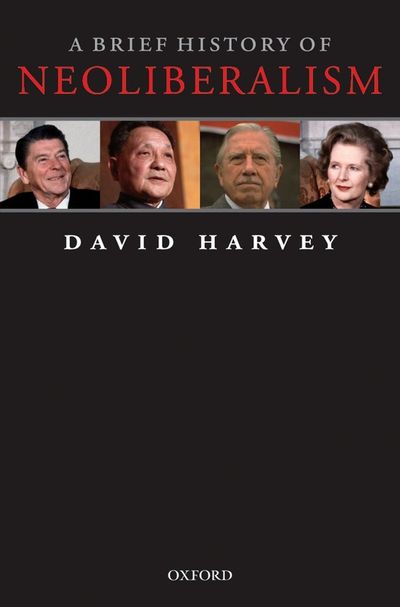
How "free markets" became everyone's common sense.
✦ READ – REFLECT → RESIST
A Girl Is a Body of Water
Jennifer Nansubuga Makumbi
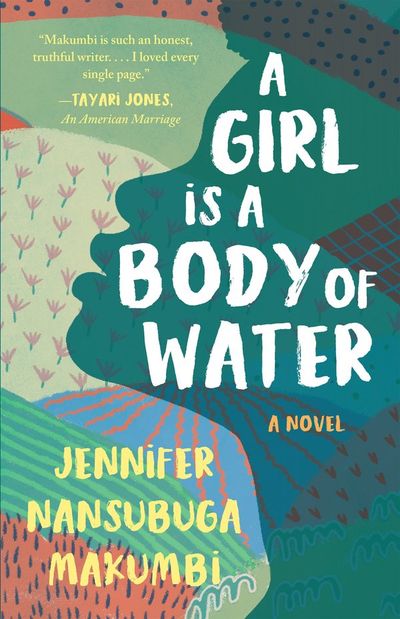
A Ugandan girl asks who the women before her were.
✦ READ – REFLECT → RESIST
A Problem from Hell: America and the Age of Genocide
Samantha Power
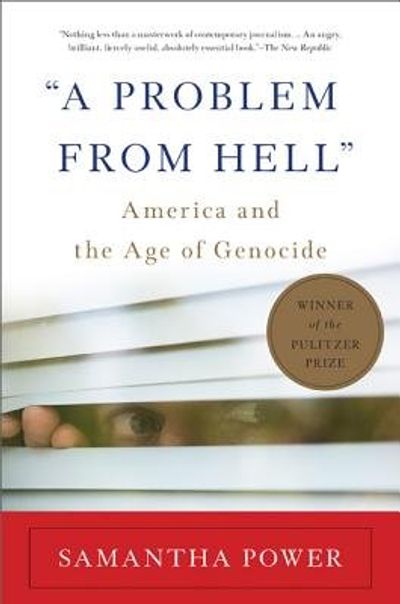
'Never again,' again and again.
✦ READ – REFLECT → RESIST
Algorithms of Oppression: How Search Engines Reinforce Racism
Safiya Umoja Noble
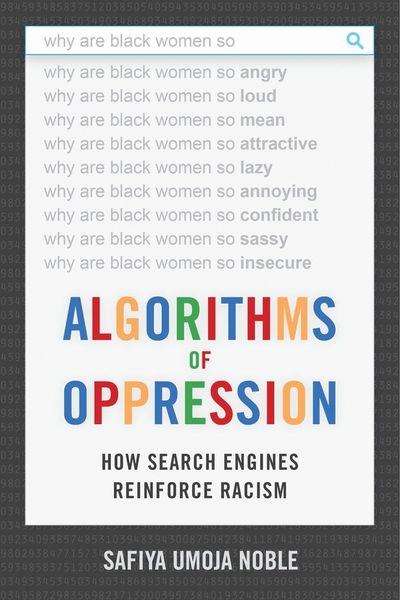
Search isn't neutral. It's an ad business.
✦ READ – REFLECT → RESIST
For the family bookshelf
Same idea, written for a younger reader. Good for reading together.
A Different Pond
Bao Phi
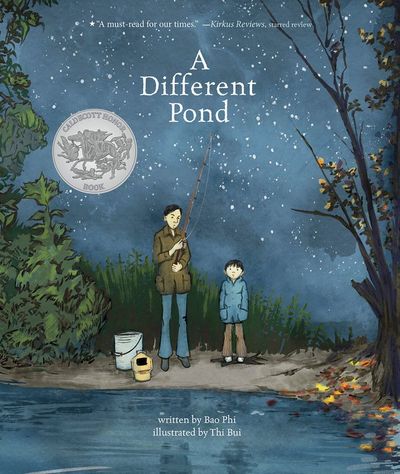
A refugee dad, a fishing pole, and 4 a.m.
✦ READ – REFLECT → RESIST
Ada's Violin: The Story of the Recycled Orchestra of Paraguay
Susan Hood
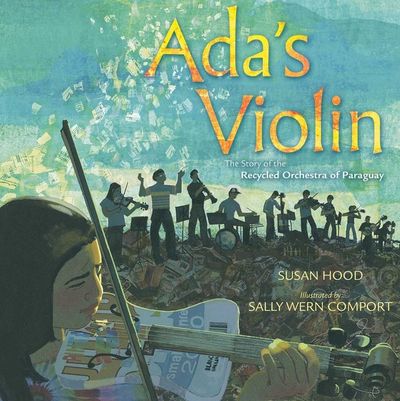
A violin made from a landfill. A real orchestra.
✦ READ – REFLECT → RESIST
Akata Witch
Nnedi Okorafor
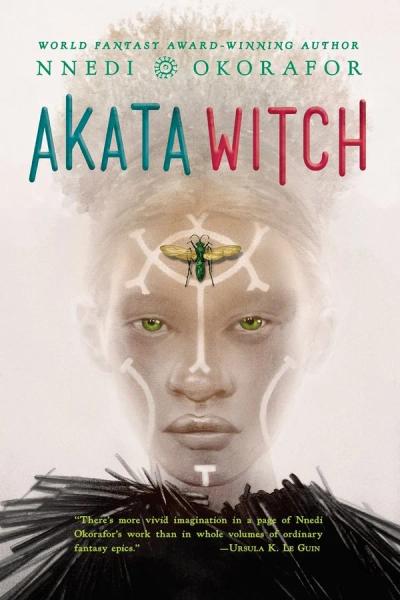
A girl who doesn't fit finds a hidden world.
✦ READ – REFLECT → RESIST
Amal Unbound
Aisha Saeed
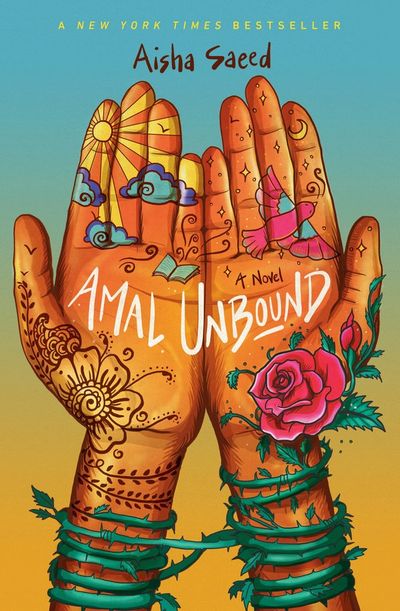
The debt wasn't hers. The cage is.
✦ READ – REFLECT → RESIST