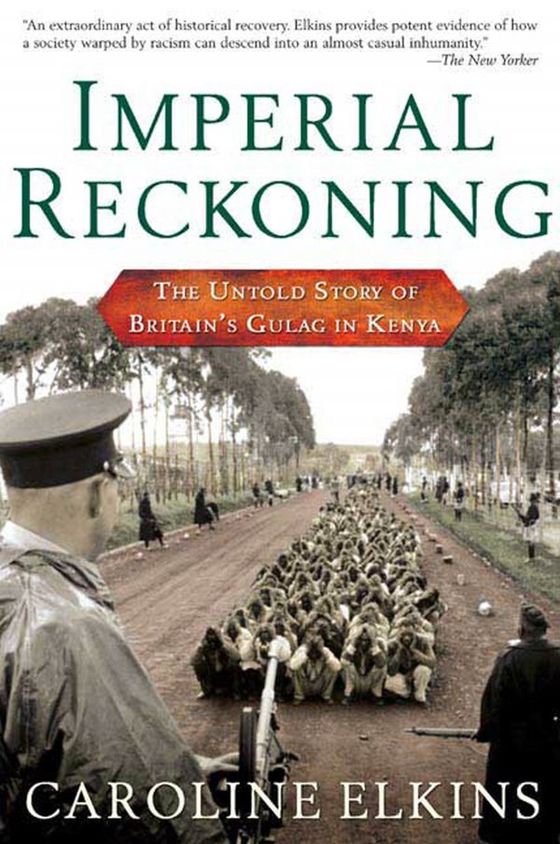
Imperial Reckoning: The Untold Story of Britain's Gulag in Kenya
by Caroline Elkins
Britain's Kenyan detention camps, from the archives.
For you if
you were taught the British Empire was mostly tea and railways.
⚡ Choose Your Route ⚡
Not sold directly on this site. Support indie bookstores with a new copy, or go sustainable with a used one.
Buy New on Bookshop.orgSupports independent bookstores
— OR —
Find Used on Better World BooksSecondhand & sustainable
$22 MSRP · Paperback
Reference price shown. Other editions may be available.
During the Mau Mau uprising in the 1950s, Britain held well over a hundred thousand Kenyans in a network of detention camps and forced villages, while telling the world it was bringing order to a colony. Elkins, a Harvard historian, spent years in the archives and in interviews with survivors, and shows how the camps worked and how the paperwork was later destroyed. It won the Pulitzer Prize for General Nonfiction.
Where This Book Lives
- Themes
- imperialism and exploitationmoral complicitystructural violencewar and atrocitywho tells history
- Topics
- colonialism
Pass. Elkins's death-toll estimates are disputed by other historians, and the book says so; the abuses themselves are documented, and Britain paid out to survivors in 2013. Graphic descriptions of torture. Close relatives already in the catalog: King Leopold's Ghost, Discourse on Colonialism and A Grain of Wheat, the Kenyan novel.
Related Viewing
Shares a topic, theme, or setting with this book in the catalog.
Cameraperson(2016)
dir. Kirsten Johnson
Same themes: War and Atrocity, Who Tells History
A cinematographer's outtakes, and what they owe.
Kirsten Johnson has shot documentaries across Bosnia, Rwanda, Afghanistan, Liberia and the United States, and here she cuts together the footage that never made it into the finished films. There's a birth, a wedding, a dying mother, a sniper's view. It is a memoir in outtakes, and it asks what the person holding the camera owes to the person in front of it.
Why it’s here: The film turns the camera around on the person behind it, and asks what it means to film other people's worst days. What's punk is that it refuses the authority of a neutral observer. What's pedagogical is that it's a direct lesson in media literacy, since it shows how footage becomes a story. It matches the film-craft shelf and pairs with Faces Places and Hale County This Morning, This Evening.
Where to watch: HBO Max (subscription); rent $3.99 on Amazon, Apple TV and Fandango At Home (JustWatch US, Oct 2026)Letterboxd ↗
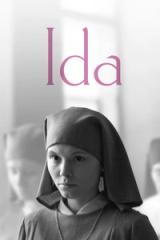
Ida(2013)
dir. Paweł Pawlikowski
Same themes: Moral Complicity, War and Atrocity
A novice learns she is Jewish, and what her town hid.
Poland, 1962. Anna is a novice about to take her vows when the mother superior sends her to meet her only living relative, her aunt Wanda, a hard-drinking former state prosecutor. Wanda tells her she is Jewish and that her real name is Ida, and the two women drive into the countryside to find out what happened to her parents. It is shot in black and white, in 82 minutes.
Why it’s here: The film puts Polish complicity in the Holocaust on screen through a quiet road movie. What's punk is Wanda, who once sentenced people for the state and now has to live with it. What's pedagogical is how it handles guilt, memory and what a country hides. Pairs with Number the Stars and Everything is Illuminated.
Where to watch: Prime Video, MUBI; free on Kanopy, Hoopla, Tubi, Plex; rent $2.99 (JustWatch US)Letterboxd ↗
Same event, different angle
The same history — told by someone who saw it differently.
The Bridge on the Drina
Ivo Andrić
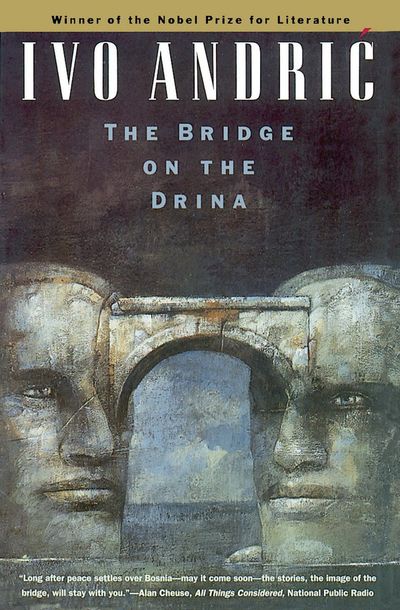
The bridge outlasted them all. Almost.
✦ READ – REFLECT → RESIST
Gulliver's Travels
Jonathan Swift
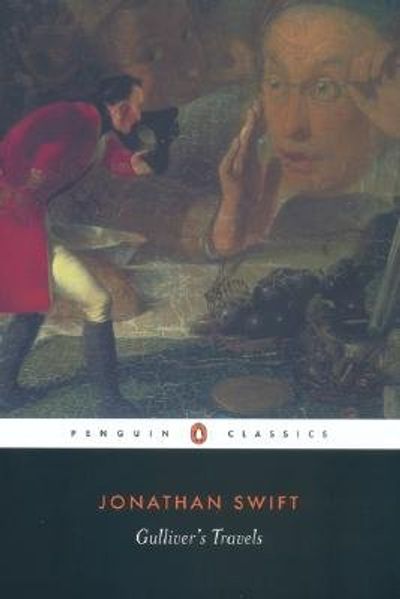
Swift's mean, necessary joke about rulers.
✦ READ – REFLECT → RESIST
The Pleasures of Exile
George Lamming
Caliban reads The Tempest and writes back.
✦ READ – REFLECT → RESIST
Black Skin White Masks
Frantz Fanon
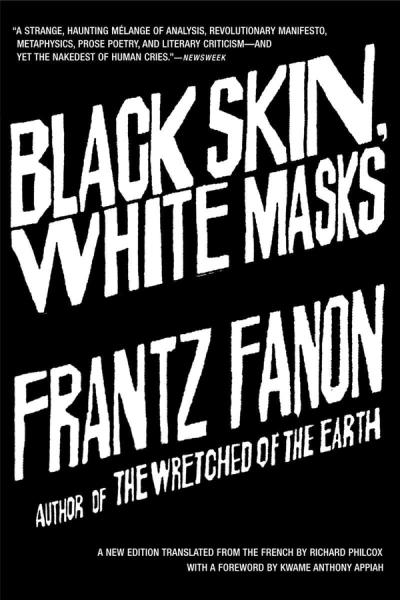
What colonialism does to the mind of the colonized.
✦ READ – REFLECT → RESIST
Same pattern, different era
Different time, different place. The same thing keeps happening.
Capitalism and Slavery
Eric Williams
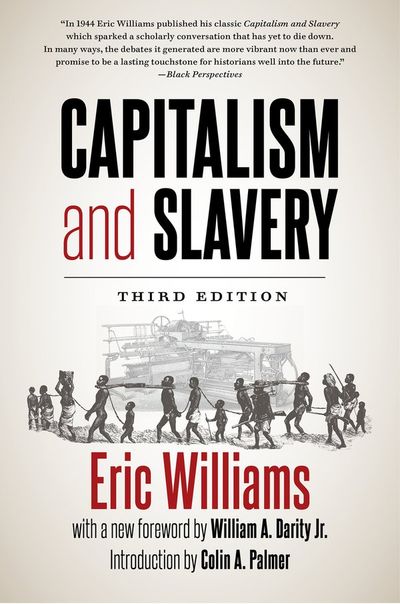
Slavery didn't fund empire. Slavery WAS empire.
✦ READ – REFLECT → RESIST
The Ethnic Cleansing of Palestine
Ilan Pappé
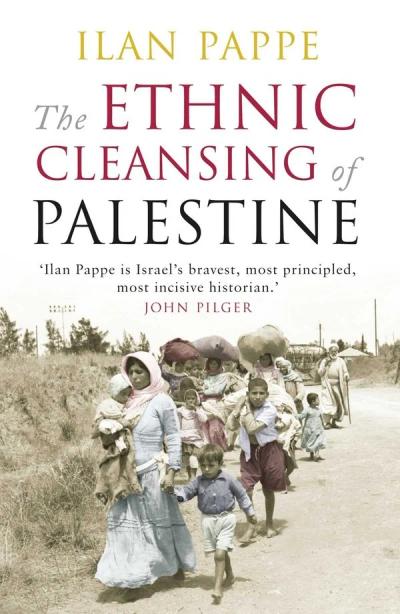
Plan Dalet. Village by village.
✦ READ – REFLECT → RESIST
How Europe Underdeveloped Africa
Walter Rodney
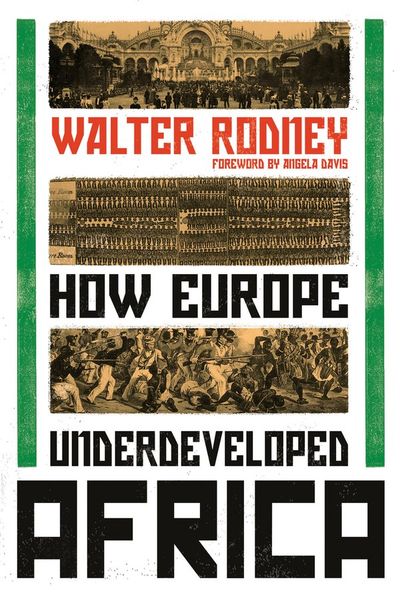
Africa isn't poor. It was made poor.
✦ READ – REFLECT → RESIST
Just Mercy: A Story of Justice and Redemption
Bryan Stevenson
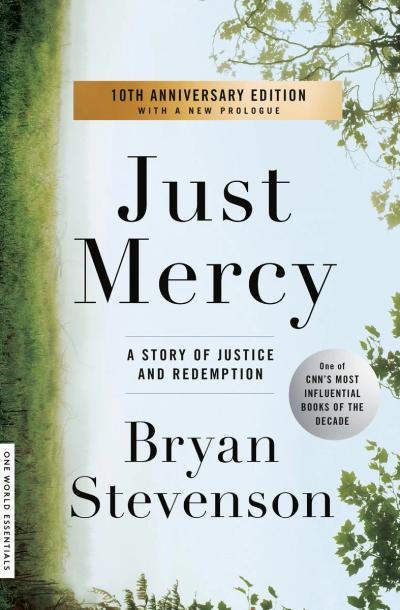
A death row lawyer on who the law is for.
✦ READ – REFLECT → RESIST
For the family bookshelf
Same idea, written for a younger reader. Good for reading together.