
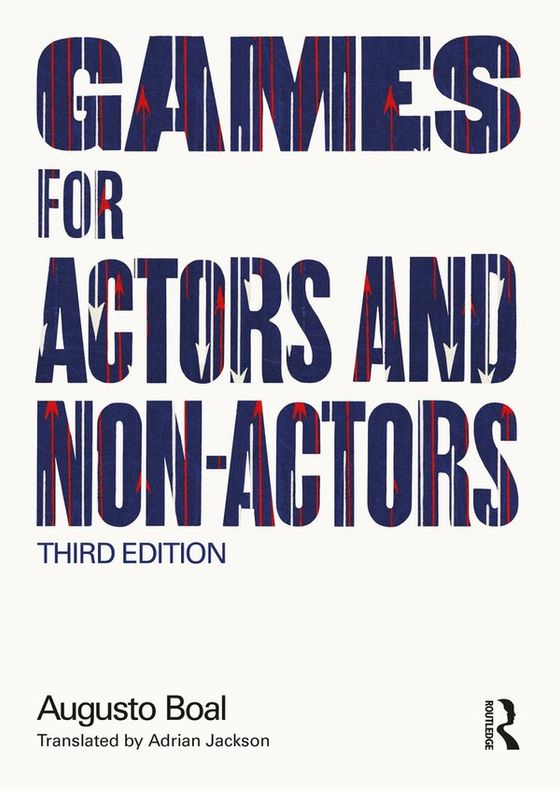
Games for Actors and Non-Actors
by Augusto Boal
The workbook for theatre that fights back.
For you if
you want to run a room where everyone, not just the loudest, gets to act.
⚡ Choose Your Route ⚡
Not sold directly on this site. Support indie bookstores with a new copy, or go sustainable with a used one.
Buy New on Bookshop.orgSupports independent bookstores
— OR —
Find Used on Better World BooksSecondhand & sustainable
$40 MSRP · Paperback
Reference price shown. Other editions may be available.
The practical sequel to Theatre of the Oppressed. It is a workbook of exercises and games, including Image Theatre and Forum Theatre, that anyone can use to turn a group of non-actors into people who can rehearse changing the world. Boal organizes them by purpose: feeling, listening, seeing, and then making scenes about real oppression. It is the tool kit for a workshop that starts with the room, not the script.
Where This Book Lives
Pass with note. A teaching manual, not a read-through; some exercises assume a trained facilitator and a group, and the book is pricey. No documented author concerns (Boal was imprisoned and exiled by Brazil's dictatorship). A natural fit for DoCR-style facilitation. Close relatives: Theatre of the Oppressed, Impro for Storytellers and Beautiful Trouble (suggested 10-22).
Related Viewing
Shares a topic or setting with this book, or several of its themes.
Billy Elliot(2000)
dir. Stephen Daldry
Same themes: Collective Action, Community
A miner's son wants to dance. The strike is on.
In a Durham mining town during the 1984 strike, eleven-year-old Billy is sent to boxing lessons and sneaks into the ballet class next door. His father and brother are on the picket line, and the idea that Billy might dance is almost as hard for them as the strike. It is a family story, a class story and a story about who is allowed to want what.
Why it’s here: It's a film about what a community does with a kid who doesn't fit. What's punk is the strike behind the story: the film doesn't treat the picket line as a backdrop. What's pedagogical is the question it asks at the dinner table: who decides what boys are allowed to love? Pairs with Pride (suggested 10-14), The Ragged-Trousered Philanthropists and Julian Is a Mermaid. Note: strike-era police violence and homophobic and gender-policing insults; PG-13 equivalent (15 in the UK).
Where to watch: Rent $3.99 / buy $14.99 on Amazon, Apple TV, Fandango At Home; no subscription or free option listed (JustWatch US, checked 2026-10-01, so re-check).Letterboxd ↗
Dahomey(2024)
dir. Mati Diop
Same themes: Community, Courage
A looted statue goes home and speaks.
In 2021, twenty-six royal treasures looted by French troops from the Kingdom of Dahomey in 1892 are returned to Benin. Diop follows one artifact, a statue numbered 26, as it is packed up in Paris and carried home, and ends with Beninese students arguing over what the return means and who it is for. Part documentary, part essay, with the statue itself given a voice.
Why it’s here: It's a film about what it takes to return what was taken. What's punk is a statue that speaks and a room of students who tell the government it's not enough, twenty-six pieces out of thousands. What's pedagogical is the debate at the end: who owns history, and who decides? Pairs with Open Veins of Latin America, King Leopold's Ghost and Discourse on Colonialism. Note: short (68 minutes), slow and poetic; French, Fon and English with subtitles.
Where to watch: Subscription: MUBI ($14.99/mo after 7-day trial); rent $4.99-5.99 on Amazon, Apple TV, Fandango At Home; buy $14.99 (JustWatch US, checked 2026-08-24, so re-check). Verify.Letterboxd ↗
Same pattern, different era
Different time, different place. The same thing keeps happening.
A Girl Is a Body of Water
Jennifer Nansubuga Makumbi
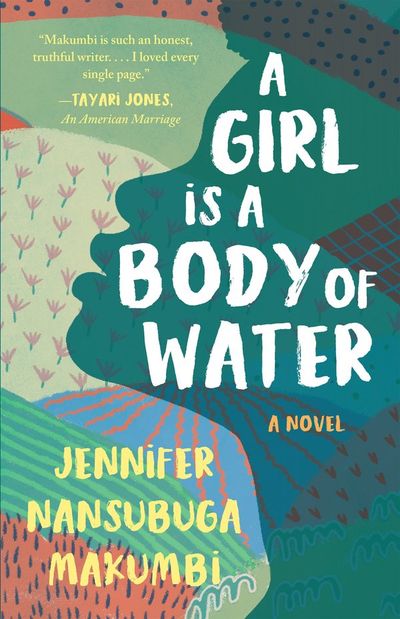
A Ugandan girl asks who the women before her were.
✦ READ – REFLECT → RESIST
A Problem from Hell: America and the Age of Genocide
Samantha Power

'Never again,' again and again.
✦ READ – REFLECT → RESIST
Algorithms of Oppression: How Search Engines Reinforce Racism
Safiya Umoja Noble
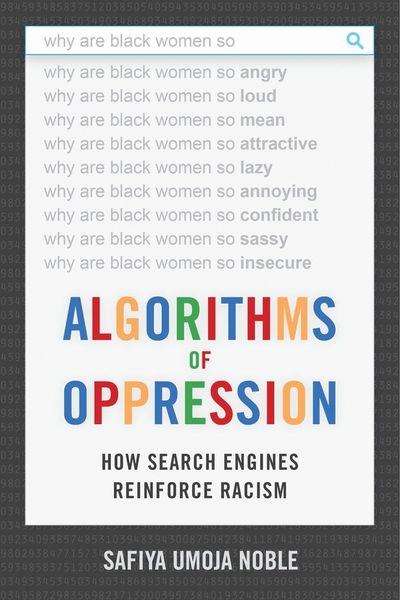
Search isn't neutral. It's an ad business.
✦ READ – REFLECT → RESIST
Aristophanes' Lysistrata: A Dual Language Edition
Aristophanes
The oldest sex strike in history. Still works.
✦ READ – REFLECT → RESIST
For the family bookshelf
Same idea, written for a younger reader. Good for reading together.
A Different Pond
Bao Phi
A refugee dad, a fishing pole, and 4 a.m.
✦ READ – REFLECT → RESIST
Ada's Violin: The Story of the Recycled Orchestra of Paraguay
Susan Hood
A violin made from a landfill. A real orchestra.
✦ READ – REFLECT → RESIST
Akata Witch
Nnedi Okorafor
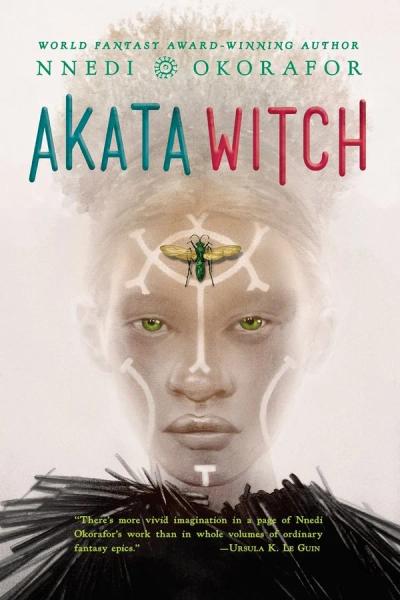
A girl who doesn't fit finds a hidden world.
✦ READ – REFLECT → RESIST
Amal Unbound
Aisha Saeed
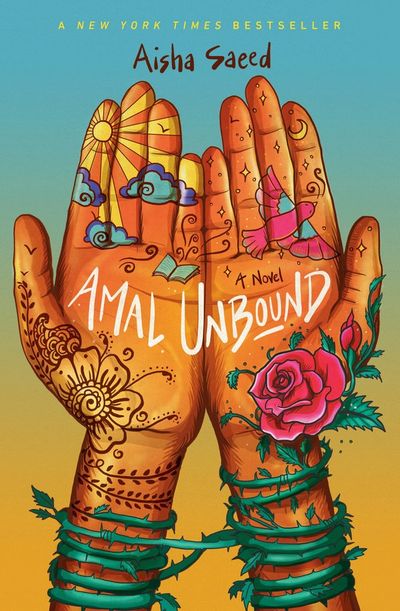
The debt wasn't hers. The cage is.
✦ READ – REFLECT → RESIST