
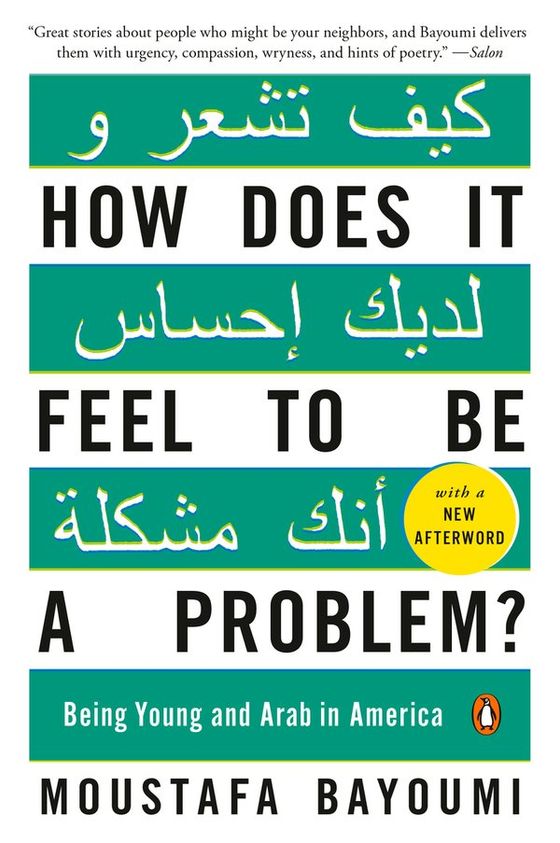
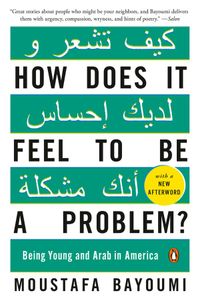
How Does It Feel to Be a Problem?
by Moustafa Bayoumi
Seven people. Not a policy question. People.
For you if
you've heard "the Muslim community" used as if it were one thing and needed someone to sit with the actual people
⚡ Choose Your Route ⚡
Not sold directly on this site. Support indie bookstores with a new copy, or go sustainable with a used one.
Buy New on Bookshop.orgSupports independent bookstores
— OR —
Find Used on Better World BooksSecondhand & sustainable
$17 MSRP
Reference price shown. Other editions may be available.
Bayoumi takes the Du Bois formulation — "How does it feel to be a problem?" — and gives it seven faces: seven young Arab and Muslim Americans in Brooklyn navigating the years after September 11 under surveillance, deportation threats, FBI visits, and the daily friction of being made into a national security question. He spent years building relationships with these seven people before writing a word. The book is reported and intimate, which means it refuses the abstraction that makes policy possible. Not "the Arab community." These people. This is what it costs to still be here.
Where This Book Lives
- Topics
- war on terror

Related Viewing
Shares a topic, theme, or setting with this book in the catalog.

Citizenfour(2014)
dir. Laura Poitras
Filmed in the room where the leak actually happened.
Laura Poitras films Edward Snowden's first meetings with journalists in a Hong Kong hotel room as he hands over evidence of mass NSA surveillance.
Why it’s here: Poitras was already filming when Snowden reached out, so this isn't reconstructed after the fact — it's the actual hotel room, the actual first read of the documents, tension that isn't staged because nobody knew yet how it would end.
One Battle After Another(2025)
dir. Paul Thomas Anderson
A washed-up radical, his daughter, and old enemies.
A washed-up former revolutionary living off-grid with his teenage daughter is forced back into action when the government agent who's hunted his old radical group for sixteen years resurfaces and she goes missing.
Why it’s here: Punk in refusing to let its revolutionaries be either saints or fools — the French 75's politics were real, their mistakes were real, and the fallout follows them for sixteen years. Pedagogical in showing how state power and old grudges outlast any movement's original idealism, for better and worse.
Same event, different angle
The same history — told by someone who saw it differently.
The Reluctant Fundamentalist
Mohsin Hamid
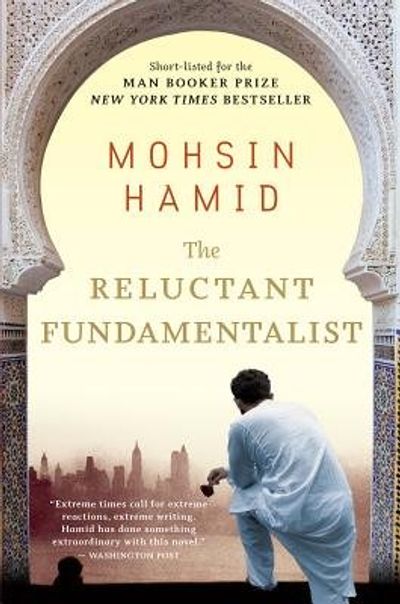
A Pakistani man in New York watches America turn against him.
✦ READ – REFLECT → RESIST
American War
Omar El Akkad
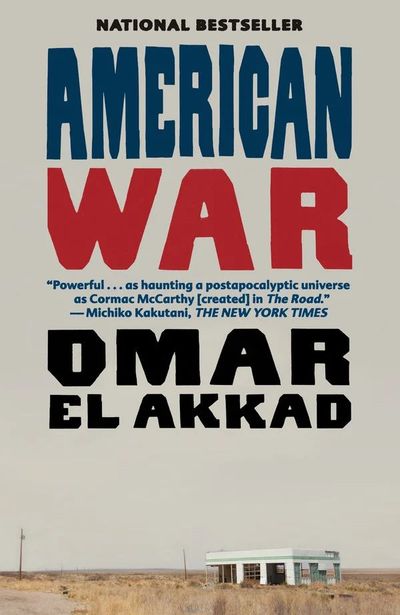
The second American Civil War. Told by a Southern refugee.
✦ READ – REFLECT → RESIST
Guantánamo Diary
Mohamedou Ould Slahi
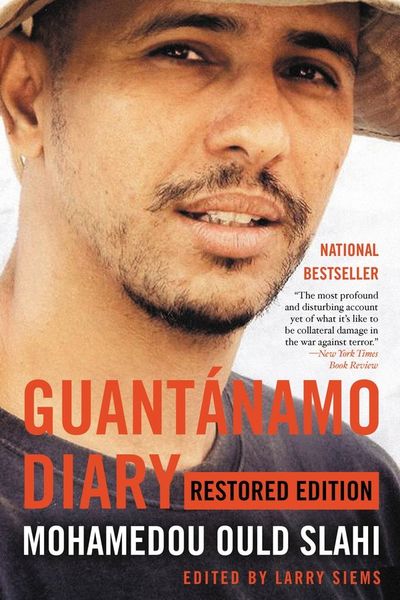
Fourteen years. No charge. He wrote it all down.
✦ READ – REFLECT → RESIST
Same pattern, different era
Different time, different place. The same thing keeps happening.
Without You There Is No Us
Suki Kim
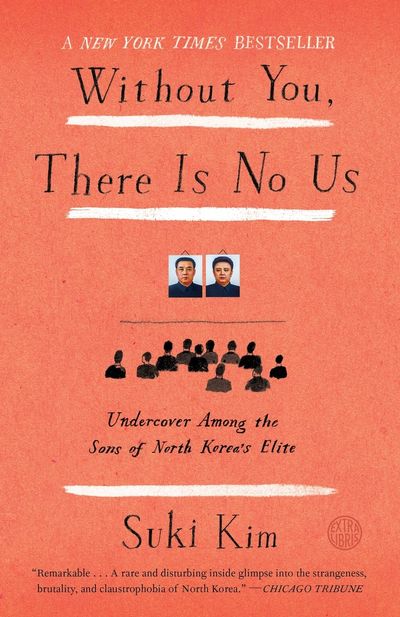
Teaching English to Pyongyang's elite. Undercover.
✦ READ – REFLECT → RESIST
Stasiland
Anna Funder
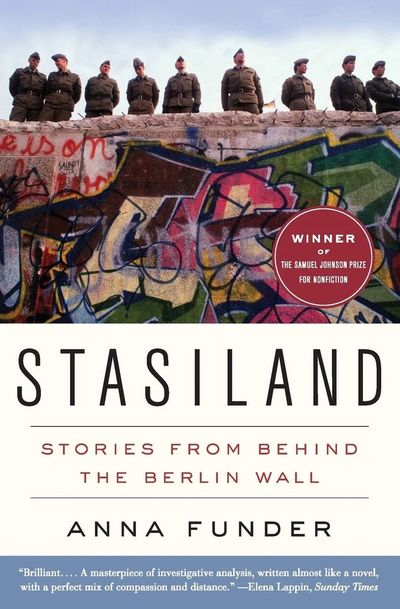
East Germany's Stasi, interviewed by a disbeliever.
✦ READ – REFLECT → RESIST
Assata
Assata Shakur
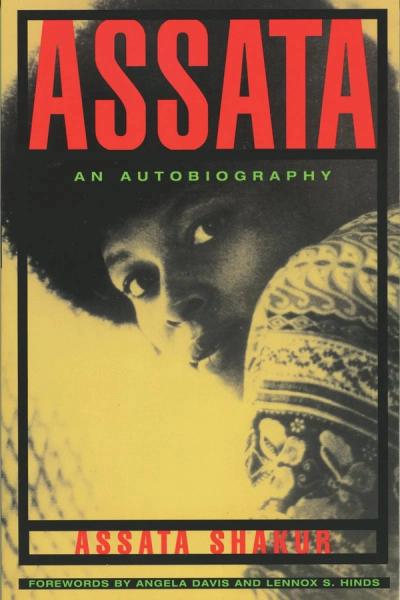
Black Panther. Political prisoner. Escaped to Cuba. Her own words.
✦ READ – REFLECT → RESIST
A Different Mirror
Ronald Takaki

American history. All of it. Everyone who lived it.
✦ READ – REFLECT → RESIST
For the family bookshelf
Same idea, written for a younger reader. Good for reading together.
The Name Jar
Yangsook Choi
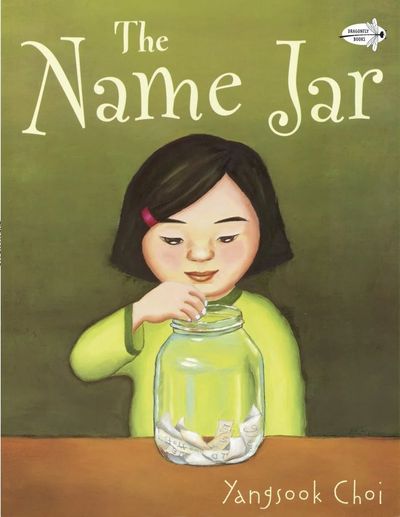
Your name is yours to keep
✦ READ – REFLECT → RESIST
The Circuit
Francisco Jiménez
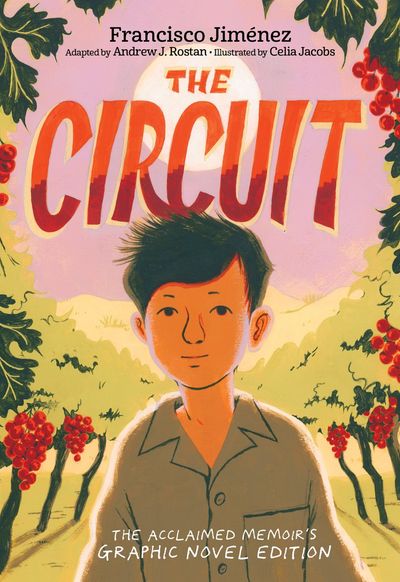
A migrant childhood told with devastating simplicity.
✦ READ – REFLECT → RESIST
Islandborn
Junot Día
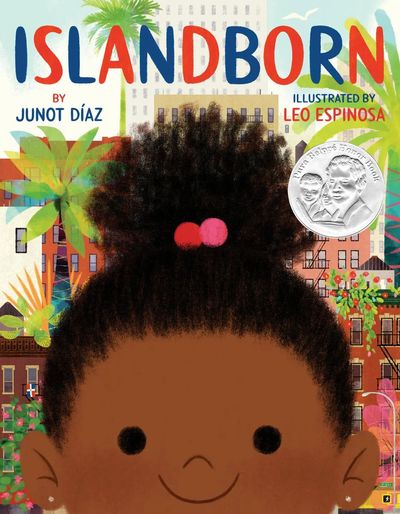
A girl tries to remember the island she left as a baby.
✦ READ – REFLECT → RESIST
Seedfolks
Paul Fleischman

An empty lot in Cleveland. Thirteen strangers. One garden.
✦ READ – REFLECT → RESIST