
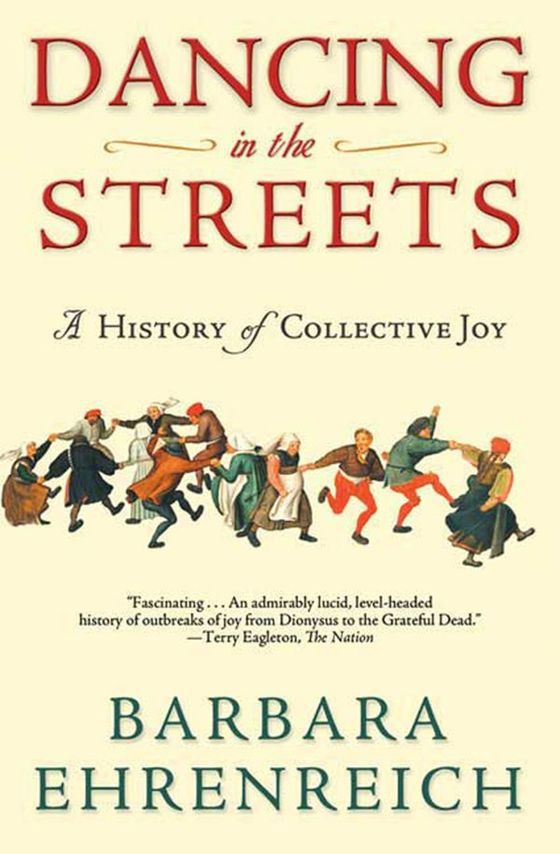
Dancing in the Streets: A History of Collective Joy
by Barbara Ehrenreich
Why rulers keep trying to ban the party.
For you if
you suspect that having fun together is a threat to someone.
⚡ Choose Your Route ⚡
Not sold directly on this site. Support indie bookstores with a new copy, or go sustainable with a used one.
Buy New on Bookshop.orgSupports independent bookstores
— OR —
Find Used on Better World BooksSecondhand & sustainable
$18 MSRP · Paperback
Reference price shown. Other editions may be available.
Ehrenreich asks what happened to the carnival, the feast day and the all-night dance, and why the powerful have spent centuries trying to shut them down. She follows collective ecstasy from ancient Dionysian rites through medieval festivals and Puritan crackdowns to rock concerts and sports crowds. The argument is that joy together has always been a political problem for those in charge.
Where This Book Lives
Pass with note. Ehrenreich (1941-2022) was a writer and activist; the book is broad and its historical sweep is sometimes thinly sourced, and the anthropology is dated in places. A real gap for LAUGH & RESIST: joy as defiance, with history behind it. Close relatives: Revolution for the Hell of It, Rest Is Resistance and Nickel and Dimed (same author).
Related Viewing
Shares a topic, theme, or setting with this book in the catalog.
Billy Elliot(2000)
dir. Stephen Daldry
Same themes: Collective Action, Community
A miner's son wants to dance. The strike is on.
In a Durham mining town during the 1984 strike, eleven-year-old Billy is sent to boxing lessons and sneaks into the ballet class next door. His father and brother are on the picket line, and the idea that Billy might dance is almost as hard for them as the strike. It is a family story, a class story and a story about who is allowed to want what.
Why it’s here: It's a film about what a community does with a kid who doesn't fit. What's punk is the strike behind the story: the film doesn't treat the picket line as a backdrop. What's pedagogical is the question it asks at the dinner table: who decides what boys are allowed to love? Pairs with Pride (suggested 10-14), The Ragged-Trousered Philanthropists and Julian Is a Mermaid. Note: strike-era police violence and homophobic and gender-policing insults; PG-13 equivalent (15 in the UK).
Where to watch: Rent $3.99 / buy $14.99 on Amazon, Apple TV, Fandango At Home; no subscription or free option listed (JustWatch US, checked 2026-10-01, so re-check).Letterboxd ↗
The Punk Singer(2013)
dir. Sini Anderson
Same themes: Collective Action, Community
Kathleen Hanna, riot grrrl, and what it cost.
The story of Kathleen Hanna, singer of Bikini Kill and Le Tigre, who helped start riot grrrl, and then went quiet at the height of her influence. Anderson uses interviews, performance footage and Hanna's own account of why she stopped and what came after. It is both a history of a movement and a portrait of the person who paid for it.
Why it’s here: The film shows how a movement is built by people with a photocopier and a loud voice. What's punk is the insistence that girls get to take up space and say the unsayable. What's pedagogical is the zine culture, the way the music was a tool for organizing and the way an art scene can be a school. Pairs with Notes from Underground, Please Kill Me and Bad Feminist. Note: it is an admiring portrait, and riot grrrl's whiteness and its limits are only touched on.
Where to watch: Criterion Channel (title page found); Kanopy via library listings; verify current US availabilityLetterboxd ↗
Same pattern, different era
Different time, different place. The same thing keeps happening.
A Girl Is a Body of Water
Jennifer Nansubuga Makumbi
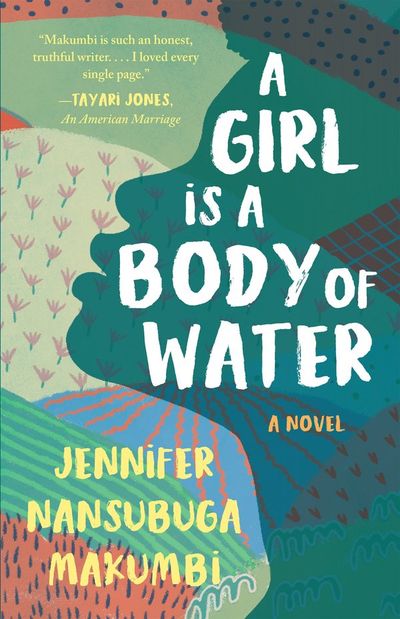
A Ugandan girl asks who the women before her were.
✦ READ – REFLECT → RESIST
A Pattern Language: Towns, Buildings, Construction
Christopher Alexander et al.

253 patterns for designing a place people can live in.
✦ READ – REFLECT → RESIST
A Peace to End All Peace: The Fall of the Ottoman Empire and the Creation of the Modern Middle East
David Fromkin

The deals that drew the Middle East in a hurry.
✦ READ – REFLECT → RESIST
A Problem from Hell: America and the Age of Genocide
Samantha Power

'Never again,' again and again.
✦ READ – REFLECT → RESIST
For the family bookshelf
Same idea, written for a younger reader. Good for reading together.
A Different Pond
Bao Phi

A refugee dad, a fishing pole, and 4 a.m.
✦ READ – REFLECT → RESIST
Ada's Violin: The Story of the Recycled Orchestra of Paraguay
Susan Hood
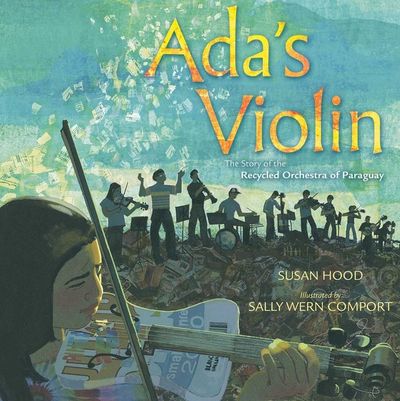
A violin made from a landfill. A real orchestra.
✦ READ – REFLECT → RESIST
Akata Witch
Nnedi Okorafor
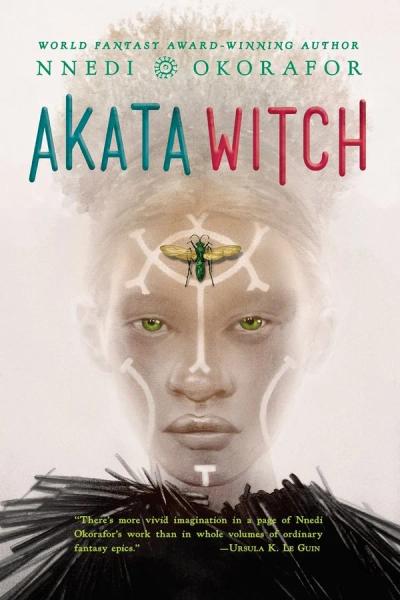
A girl who doesn't fit finds a hidden world.
✦ READ – REFLECT → RESIST
Amal Unbound
Aisha Saeed
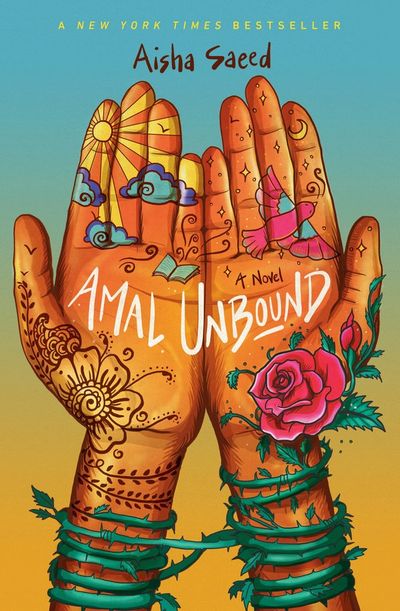
The debt wasn't hers. The cage is.
✦ READ – REFLECT → RESIST