The Right to Have Rights: When Membership Is Revocable
The government says it has filed 123 cases to strip citizenship. A tool with a legitimate past gets easy to widen.
This week the White House border czar, Tom Homan, said on Fox News that Rep. Ilhan Omar could be denaturalized "if the evidence points that way." Her office says she has done nothing wrong. Federal agents searched her home on Oct 12, and anonymous sources have described an immigration-fraud theory, but no denaturalization case has been filed against her.
It lands on top of a bigger push. The Justice Department says it has filed 123 civil denaturalization cases since January 2025, and a June 2025 memo made them a priority. The tool has a respectable history: it's how the US has taken citizenship from Nazi war criminals, and the government has to allege that citizenship was obtained illegally or through concealment or misrepresentation. That's what makes it easy to widen. A US-born citizen can't be stripped of citizenship this way. A naturalized one can. So the question isn't only what happens to one congresswoman. It's who the state can reach, and whether the people it can reach are free to dissent.
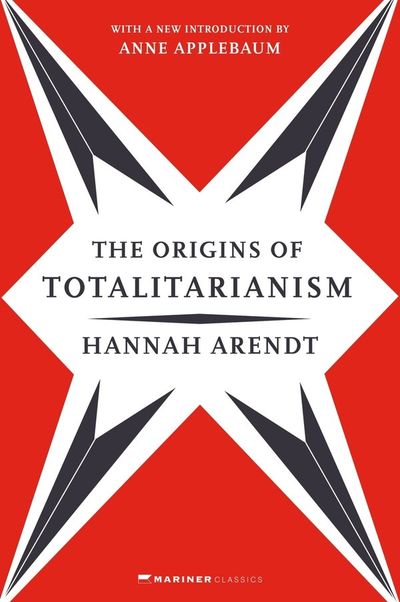
Arendt was stripped of her German citizenship and spent years stateless. She saw that rights belong to citizens, and citizens are whoever the state says they are. Start with that idea: the right to have rights.
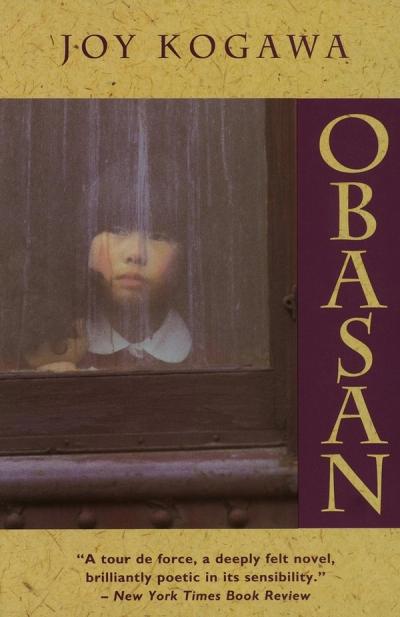
Now the cost. Canada uprooted its own Japanese Canadian citizens in the Second World War and took their property. Kogawa's novel is what that feels like decades later: the silence inside one family.
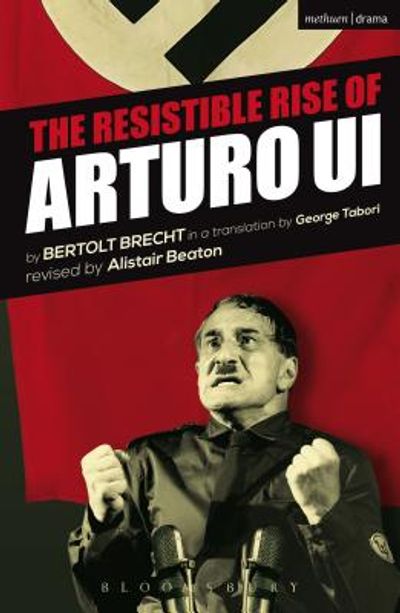
Brecht turns a gangster's takeover of a Chicago vegetable trade into a parable of Hitler's rise. It's short, mean and funny, and it shows who counts, then who's allowed to object, being decided by the boss. Laughing is how you refuse to be impressed.
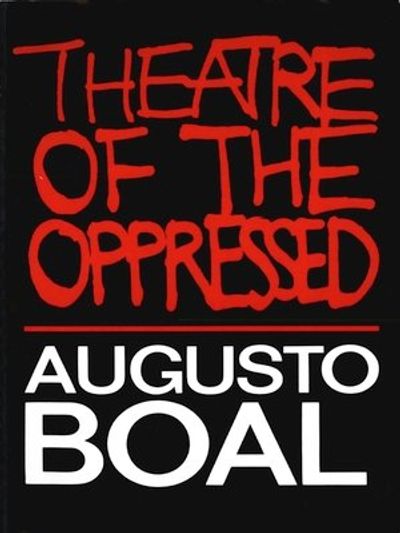
Brazil's dictatorship arrested, tortured and exiled Boal. He built exercises that let ordinary people rehearse standing up to power, and later helped citizens write real law. When belonging gets taken, you rebuild it by doing it together.
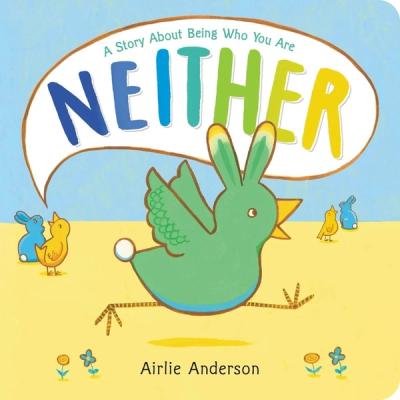
Kids learn early who gets counted in and who gets left out, and they notice when the line moves. These books give them a creature who fits in neither kingdom, a girl who flees Saigon and starts over in Alabama, a boy whose family is locked up by the country he was born in, and a girl who writes down each new rule as it arrives. You raise kids who notice when "us" gets redrawn and ask who drew the line.
“Arendt wrote the bundle's first book, and this is the film where you watch her pay for dissent. The citizenship argument lives in the book, not the film. What the film adds is the other half of the question: what happens to someone who says the unwelcome thing, and to the community that has to decide whether she still belongs to it.
Margarethe von Trotta's biopic follows the philosopher Hannah Arendt (Barbara Sukowa) from 1961, when she travels to Jerusalem to cover Adolf Eichmann's trial for The New Yorker, through the storm that followed her reports and her 1963 book Eichmann in Jerusalem. It is a talky period drama about a thinker working out an idea in public, and what it costs her with the friends and the community she belongs to.
Why it’s here: Most films about thinking make it look like a montage. This one lets it look like what it is: a woman in a chair, smoking, staring at a wall, trying to work out how an ordinary man ended up running a machine of murder. What's punk is what happens next. Arendt refuses to write the grief her community expects, publishes anyway, and loses friends over it. What's pedagogical is that the real trial footage of Eichmann is in the film, so you watch him talk and decide for yourself. Her argument is still contested, and some historians have since argued Eichmann was more committed to the ideology than she allowed, which makes it a better thing to watch, not a worse one.
Where to watch: Free on Kanopy, Hoopla; rent on Apple TV · Letterboxd ↗