
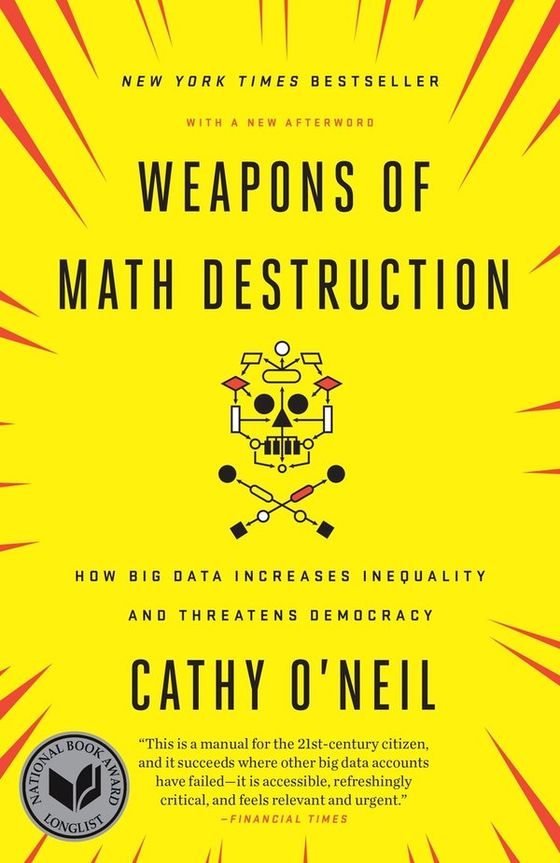
Weapons of Math Destruction: How Big Data Increases Inequality and Threatens Democracy
by Cathy O'Neil
The algorithms deciding your life are not neutral.
For you if
you were told the algorithm decided and nobody could say why.
⚡ Choose Your Route ⚡
Not sold directly on this site. Support indie bookstores with a new copy, or go sustainable with a used one.
Buy New on Bookshop.orgSupports independent bookstores
— OR —
Find Used on Better World BooksSecondhand & sustainable
$18 MSRP · Paperback
Reference price shown. Other editions may be available.
O'Neil is a mathematician who left Wall Street and then went through the models that now decide who gets hired, who gets a loan, who gets sent to prison and who gets a teacher fired. Her test is simple: is the model opaque, does it scale, and does it do damage. The ones that fail all three punish poor people and call it math.
Where This Book Lives
- Setting
- United States • North America
- Voice
- Written by an American author
Pass with note: written in 2016, so some examples are dated, but the framework still works. Close relative: Automating Inequality, which does the same for welfare systems. This adds the mechanics of the models themselves.
Related Viewing
Shares a topic, theme, or setting with this book in the catalog.
Burning(2018)
dir. Lee Chang-dong
Same themes: Class Inequality, Inequality
A class-war thriller where nobody gets proof.
Jong-su, a young delivery worker and aspiring writer, runs into Hae-mi, a neighbor from his childhood. She goes on a trip and comes back with Ben, a rich and charming man who tells Jong-su his hobby is burning down greenhouses. Then Hae-mi vanishes. Lee Chang-dong adapts a Murakami story into a slow thriller about class, envy and what you can prove.
Why it’s here: The film turns class rage into a mystery that never resolves, which is how class often works. What's punk is that the poor man is the one telling the story and nobody believes him. What's pedagogical is how much the film shows without saying. It's 2.5 hours, slow, and ambiguous on purpose. Close relative: Parasite, which is in the suggestion log.
Where to watch: MUBI, Kanopy, Hoopla, plus free with ads on Tubi/Roku/Pluto; rent $2.99-3.99 (JustWatch US)Letterboxd ↗

Hoop Dreams(1994)
dir. Steve James
Same themes: Class Inequality, Inequality
Two Chicago teens, one dream, and the odds.
Steve James followed two Black teenagers from Chicago's housing projects, William Gates and Arthur Agee, for five years as they tried to turn basketball into a way out. They are recruited to a suburban Catholic school, injured, dropped and picked up again, and their families pay for it. The film runs three hours and doesn't hurry.
Why it’s here: The film takes apart the idea that sports is the way out by staying with the families when it doesn't work. What's punk is that the boys and their parents are the authors of the story. What's pedagogical is how clearly it shows tuition, scouting and recruiting as systems. Pairs with Most Likely to Succeed and The Shame of the Nation.
Where to watch: HBO Max; free with ads on Roku Channel, Pluto, YouTube, Xumo Play; rent $3.99 Amazon/Apple (JustWatch US)Letterboxd ↗
Same pattern, different era
Different time, different place. The same thing keeps happening.
Empire of Pain
Patrick Radden Keefe
Philanthropy as cover. Addiction as business model.
✦ READ – REFLECT → RESIST
Exit Party
Emily St. John Mandel

Two versions of America. Both feel familiar.
✦ READ – REFLECT → RESIST
Just Mercy: A Story of Justice and Redemption
Bryan Stevenson
A death row lawyer on who the law is for.
✦ READ – REFLECT → RESIST
Life and Death of the American Worker: The Immigrants Taking on America's Largest Meatpacking Company
Alice Driver
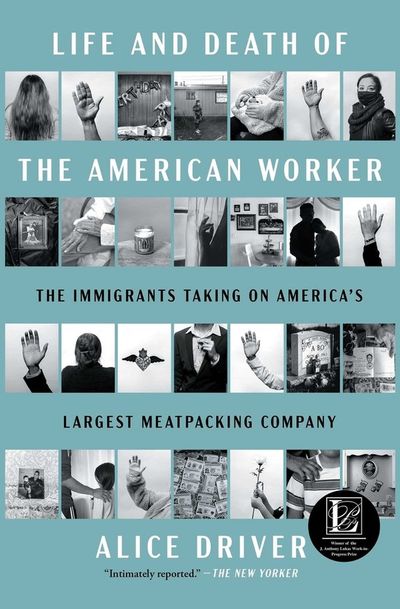
Cheap chicken has a body count.
✦ READ – REFLECT → RESIST
Flip the lens
Same country. Now hear it from the other side.
For the family bookshelf
Same idea, written for a younger reader. Good for reading together.
Amal Unbound
Aisha Saeed

The debt wasn't hers. The cage is.
✦ READ – REFLECT → RESIST
Little Brother
Cory Doctorow
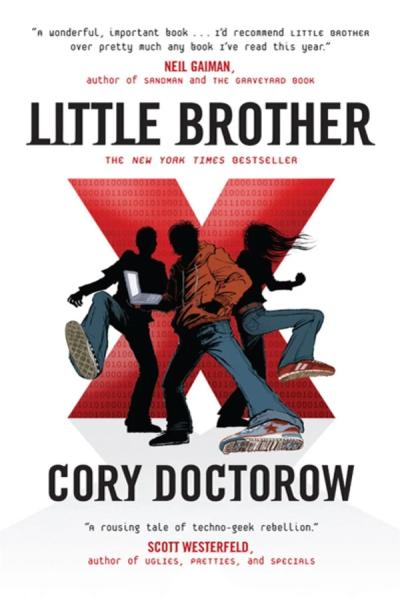
Wrong place, wrong time. Now DHS is watching him. He fights back.
✦ READ – REFLECT → RESIST
Lawn Boy
Jonathan Evison
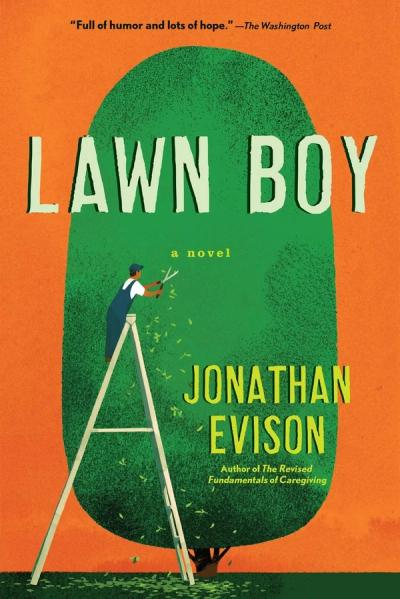
He started a lawn business. The economy had other plans.
✦ READ – REFLECT → RESIST