
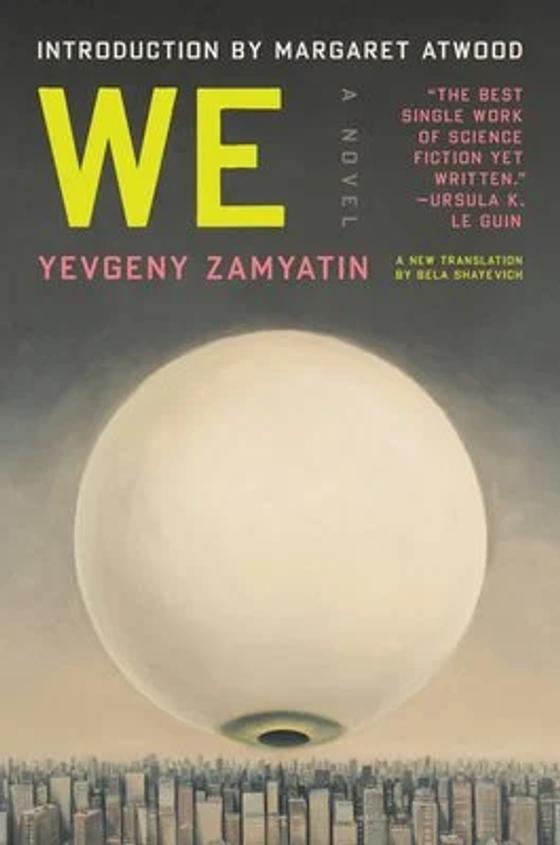
We
by Yevgeny Zamyatin
The dystopia 1984 was built on.
For you if
you want to read the book Orwell and Huxley were answering.
⚡ Choose Your Route ⚡
Not sold directly on this site. Support indie bookstores with a new copy, or go sustainable with a used one.
Buy New on Bookshop.orgSupports independent bookstores
— OR —
Find Used on Better World BooksSecondhand & sustainable
$17 MSRP · Paperback
Reference price shown. Other editions may be available.
In the One State everyone lives in glass apartments, wears numbers instead of names, and follows a timetable set by the Benefactor. D-503, an engineer building a spaceship, starts keeping a diary and meets I-330, who has other plans for him. Zamyatin wrote it in 1920 and Orwell took notes: this is where the modern dystopia starts, and it's stranger and more poetic than its descendants.
Where This Book Lives
Zamyatin wrote it in the early Soviet years and it was banned there, so it first appeared in English in 1924 and wasn't published in Russia until 1988. Look for a recent translation, since the older ones vary. It's an easy bookend to 1984 and The Handmaid's Tale.
Related Viewing
Shares a topic, theme, or setting with this book in the catalog.
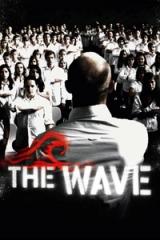
The Wave (Die Welle)(2008)
dir. Dennis Gansel
Same themes: Authoritarianism, Conformity
Fascism in a high school classroom, in a week.
A German high school teacher who is assigned to teach 'autocracy' runs a week-long classroom experiment: discipline, a uniform, a salute, a name. The class starts calling themselves The Wave, and within days the experiment stops being one. It is based on a real 1967 California classroom exercise and Todd Strasser's novel, moved to modern Germany.
Why it’s here: The film's whole argument is that a group of ordinary teenagers doesn't need history's villains to build a movement of belonging and exclusion, just a teacher, a uniform and a promise to be part of something. What's punk is that it is aimed at the audience's comfort: you are not immune. What's pedagogical is the experiment itself, which is easy to run, easy to discuss and hard to forget. It is the natural companion for How Fascism Works and They Thought They Were Free.
Where to watch: Free on KanopyLetterboxd ↗
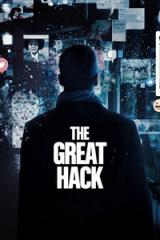
The Great Hack(2019)
dir. Karim Amer & Jehane Noujaim
Same themes: Propaganda, State Surveillance
How your data became a political weapon.
The film follows the Cambridge Analytica scandal through three people: David Carroll, a professor suing to get his own data back; Brittany Kaiser, a former company insider; and Carole Cadwalladr, the reporter who broke the story. It lays out how a political consultancy used Facebook data to build voter profiles and target them with tailored messages.
Why it’s here: The film makes data harvesting feel like something done to you personally, and shows how profiling was turned into political persuasion. What's punk is Carroll's lawsuit and Cadwalladr's reporting. What's pedagogical is the explanation of what data-brokering is. Note: it frames Kaiser as a conscience-stricken whistleblower, which is arguable, and the real impact of the targeting is still debated. Pairs with Your Face Belongs to Us, Data and Goliath and Citizenfour.
Where to watch: Netflix (FlixPatrol US listing; verify before adding)Letterboxd ↗
Same pattern, different era
Different time, different place. The same thing keeps happening.
Autocracy, Inc.: The Dictators Who Want to Run the World
Anne Applebaum
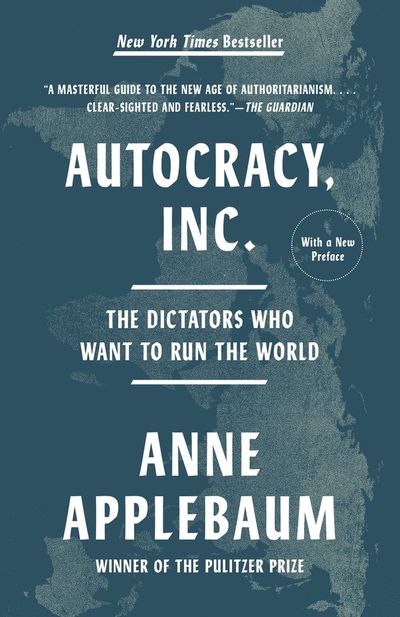
The network behind every strongman.
✦ READ – REFLECT → RESIST
The Hidden Persuaders
Vance Packard
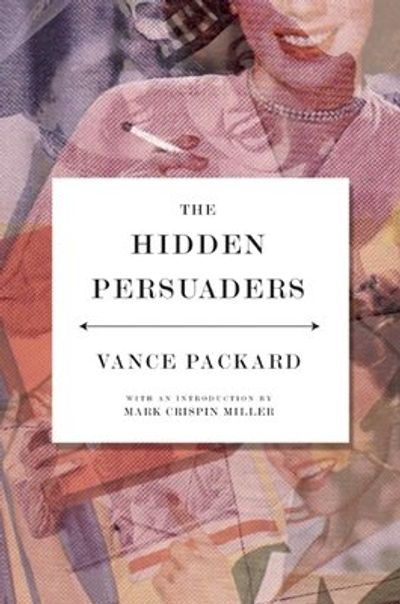
Your desires were engineered. You just lived them.
✦ READ – REFLECT → RESIST
How to Be a Fascist: A Manual
Michela Murgia
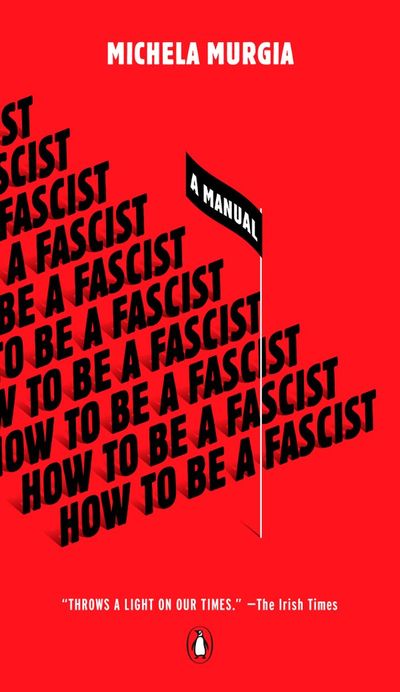
The fascist media playbook, step by step.
✦ READ – REFLECT → RESIST
Merchants of Doubt
Naomi Oreskes & Erik M. Conway
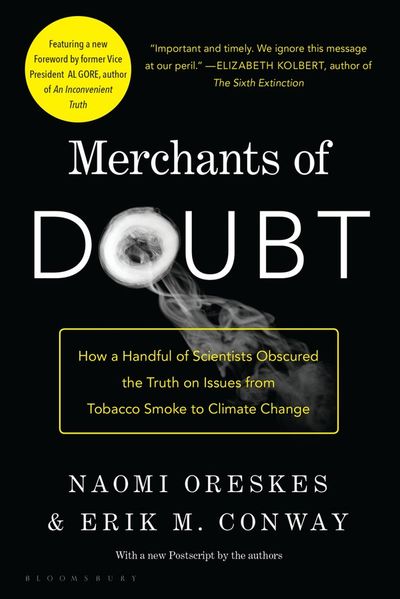
How doubt gets manufactured on purpose.
✦ READ – REFLECT → RESIST
For the family bookshelf
Same idea, written for a younger reader. Good for reading together.
The Big Orange Splot
Daniel Pinkwater
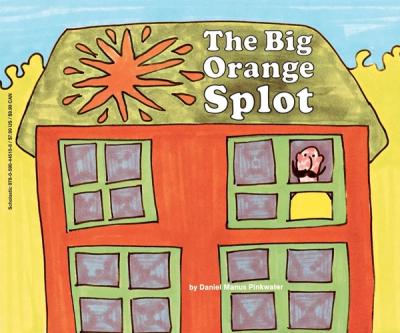
A seagull drops paint on his roof. He decides to go with it.
✦ READ – REFLECT → RESIST
The Giver
Lois Lowry
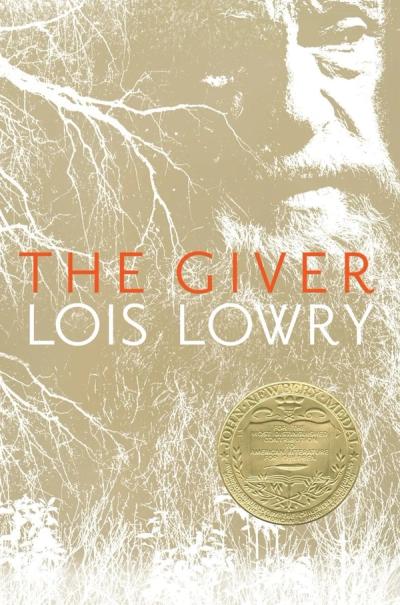
Memory is what they banned. He got it anyway.
✦ READ – REFLECT → RESIST
Little Brother
Cory Doctorow
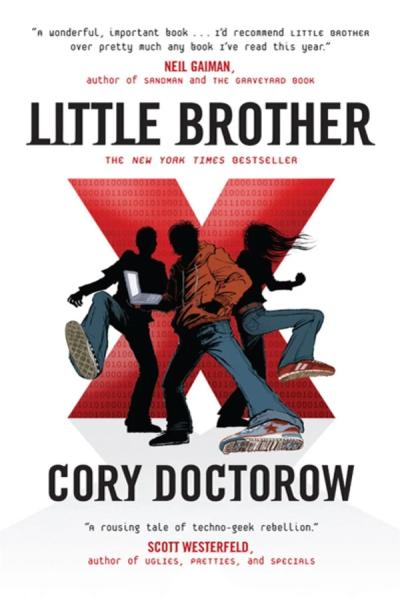
Wrong place, wrong time. Now DHS is watching him. He fights back.
✦ READ – REFLECT → RESIST
The Rooster Who Would Not Be Quiet!
Carmen Agra Deedy, illustrated by Eugene Yelchin
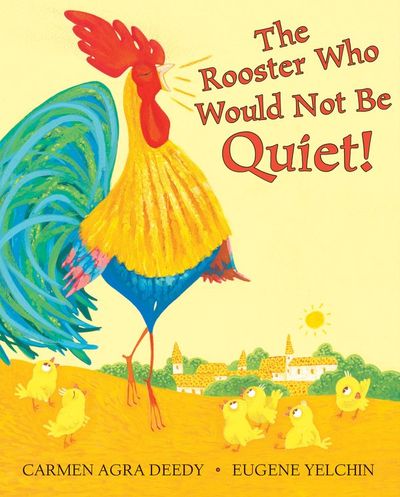
The law said be quiet. The rooster disagreed.
✦ READ – REFLECT → RESIST